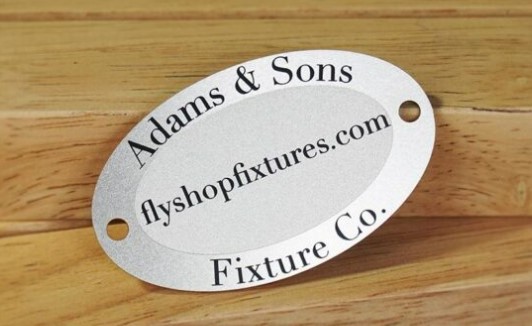
In today’s saturated market, blending in is no longer an option—standing apart is essential. Every detail, down to the smallest accessory, plays a pivotal role in shaping customer perceptions of your company. An often underutilized way to add sophistication, resilience, and uniqueness to products is through personalized metal tags. Whether you create fashion, furniture, or artisanal goods, these tags do more than label—they convey your brand story.
This article explores how custom metal tags can elevate your branding, boost product worth, and leave a lasting impression.
Unlocking Custom Metal Tags’ Power for Your Brand
Why Customization Matters in Branding
Tailoring plays a critical part in branding, allowing businesses to carve a singular identity in a crowded field. In an era where consumers are bombarded with choices, establishing a distinct brand presence is key to gaining attention and fostering loyalty. Customized metal tags can act as a tactile symbol of a company’s values, mission, and aesthetics. These tags not just identify products but also spark an emotional connection with customers. This rings especially true in craft-focused industries like fashion, jewelry, and artisanal goods where skill and authenticity are paramount. When companies personalize their offerings through bespoke metal tags, they convey exclusivity and attentiveness to nuance, signaling buyers acquire something genuinely unique. This customization can reinforce brand loyalty as patrons feel tied to a brand investing in one-of-a-kind, quality identifiers that elevate product appeal. Consequently, the emotional resonance crafted through personalized branding elements like metal tags can influence purchasing habits, driving both initial and repeat sales.
The Unique Appeal of Metal: Durability Meets Aesthetics
Metal has long been prized for its strength and staying power. It is a material that withstands the test of time, making it an ideal selection for brands trying to project reliability and quality in a substantial manner. The distinctive appeal of metal lies in its versatility; it can be finished in diverse styles, including brushed, polished, or altered surfaces, permitting a broad scope of design opportunities. This inherent adaptability empowers brands to align their metal tags with their overall branding strategy cohesively, reinforcing the brand identity while catering to aesthetic preferences. Moreover, metal tags radiate a sense of luxury, granting products an upscale appearance that can heighten perceived value considerably. The heft and texture of metal can distinguish a brand’s products from those of competitors who may rely on cheaper materials with less panache. As consumers increasingly seek authenticity and craftsmanship earnestly in their purchases, metal tags serve as a symbol of quality assurance. Brands that utilize metal tags can position themselves as premier providers thoughtfully in their respective markets, further solidifying their image and meshing beautifully with a refined lifestyle narrative.
Designing Metal Tags that Reflect Your Brand Identity judiciously
Choosing the Right Materials for Maximum Impact meaningfully
The materials used for custom metal tags are paramount in maximizing impact. Various metals offer distinct traits and applications. For example, aluminum is lightweight yet resilient, suiting tags requiring functionality and convenience. Anodization boosts durability and fade-resistance, permitting colorful designs retaining vibrancy. Alternatively, stainless steel endures strongly resisting corrosion with sleek modern visuals fitting minimalism or luxury aesthetics. Copper and brass emanate vintage charm aging into character; developing patinas adding depth to branding. For sustainability-focused brands, recycled metals or eco-friendly materials attract through environmental responsibility reciprocating consumer preference. Additionally, finishes and textures affect visual and tactile appeal directly influencing how tags convey a brand’s story and essence. Material choices embody brand identity and values, serving as an implicit yet impactful ambassador for a brand.
The art of marking materials: Approaches to showcase your emblem
Etching is a quintessential approach for personalizing metal tags, enabling brands to imprint their singular character directly onto the surface. Different etching techniques exist, each offering diverse aesthetics and durability levels. For instance, laser etching is a precise method that can generate intricate patterns and text with remarkable clarity. The outcomes are permanent and resistant to wear, making them ideal for frequently handled products. In contrast, rotary etching yields a protruding or recessed design, granting a tactile quality that can enhance a customer’s link to the product. This approach can be adapted for many metal thicknesses and is commonly used for deeper designs requiring sturdiness through time. Brands seeking to provide something exceptional could think about a blend of approaches or even color filling, where the etched areas are saturated with acrylic paint to heighten visibility and aesthetic appeal. Additionally, consider integrating QR codes or distinct URLs into metal tags as part of your branding strategy. This can furnish consumers with instant access to digital content, for example product narratives, usage instructions, or promotional offers. By leveraging modern engineering alongside traditional craft, brands can craft a multidimensional experience that involves customers at multiple contact points.
From Idea to Creation: The Process of Shaping Metal Tags
Collaborating with Designers: Bringing Your Vision to Reality
The process of crafting custom metal tags often requires thoughtful collaboration between inventive designers and dedicated brands. Engaging graphic design experts from the earliest stages can significantly enrich outcomes, confirming new products suit wider marketing aims. Clearly articulating a vision, principles and hoped client experiences for design teams is essential. Initial brainstorming sessions creatively share and evolve notions into tangible proposals. Designers skillfully translate ethos into visual language, loosely sketching and virtually modeling desired aesthetics, palettes and logos. Effective exchange during this important phase is paramount; inspiration boards or mood pieces can bridge understanding gaps. With design software, prototypes emerge, allowing businesses to pre-visualize the final article and provide input before full production. This agile, iterative process meticulously refines the look while establishing shared ownership, resulting in an end product that resonates deeply with the brand and targeted crowd. Cooperation should extend far beyond first concepts. For ongoing branding, long-term relationships with design studios foster deeper comprehension of an enterprise’s evolving demands and market dynamics. This strategic alliance enhances flexibility and responsiveness in branding, especially as trends and client preferences inevitably fluctuate.
Production Techniques: How Custom Tags are Crafted
Once designs are finalized, custom metal tags’ production begins. Understanding production techniques is crucial for quality control and meeting timelines. Initially sheets are die or laser cut into shapes and sizes, providing precision complex shapes create little waste. After cutting, surfaces may receive various finishes as previously discussed. Engraving often follows, where logos, designs, and text are applied by chosen method. Quality checks are essential as consistency and accuracy maintain brand standards. Minor errors significantly impact luxury brands’ perceptions. Finally, tags are polished for clean, specified edges. Additional processes may attach keychains, grommets, or fasteners depending intended uses. After passing quality checks, tags are shipped. Brands must understand partners’ lead times and communicate timely delivery ensures satisfaction.
Leveraging Custom Metal Tags’ Marketing Potential
Tags Engage Customers in Unique Ways
Custom metal tags can skillfully function as versatile instruments for consumer interaction, offering prospects for brands to connect more meaningfully with their crowd. One imaginative tactic is to transform metal tags into an intrinsic facet of a more comprehensive branding narrative by utilizing them to convey a narrative related to the product or brand ethos. For example, tags can elucidate the sourcing of raw materials, such as responsibly-sourced metals, or accentuate handmade artistry, embedding a deeper significance into the object. Furthermore, tags can act as practical marketing pieces by integrating QR codes or NFC chips that guide patrons to online content, like brand tales, video clips, or social media campaigns. This links the tangible and digital spheres, generating an interactive experience that enhances consumer participation. A simple act of scanning a code can lead to product demonstrations, customer reviews, or a behind-the-scenes glance at the production process, enabling the customer to feel as an intrinsic constituent of the brand journey. Another strategy is to leverage metal tags as collectible items that resonate with consumers emotionally. Companies can create limited-edition metal tags that celebrate specific themes, collaborations, vacations, or events, motivating patrons to aggregate them over time. This not only incentivizes purchases but also fosters a sentiment of community among brand aficionados as they share and trade these unique items.
Consider Case Studies of Brands that Successfully Elevated their Image through Ingenious Tactics
Diverse brands have successfully harnessed the latent aptitude of customized metal identifications to heighten their image and engage their client base. Witness the instance of a high-end fashion label that introduced bespoke metal identifications as an inherent feature of its cutting-edge selection of handbags. By integrating the identifications into the practical layout of the bags, they offered an exceptional accent that appealed to the brand’s luxurious customer base.
The identifications, painstakingly crafted from exquisite materials and ornamented with intricate etchings, not only served an identification aim but additionally acted as fashion declarations in their own right. The luxurious brand encountered a notable surge in sales and consumer allegiance as a result of this immersive branding experience. Another flourishing case study can be discerned in the craft beer industry. A brewery broadened its branding strategy by executing individualized metal identifications on its beer bottles. These identifications incorporated quirky descriptions of the brewing technique, the narrative behind each brew, and tasting notes. This not solely offered consumers with knowledge concerning the product but in addition forged a collectible element, motivating beer aficionados to purchase and circulate their experiences.
Following this strategy, the brewery publicized amplified participation on social media platforms, with consumers posting their tagged bottles, which stimulated organic word-of-mouth advertising. Lastly, technology companies have embraced the notion of customized metal identifications intertwined with product identification and authenticity. Premium electronics brands frequently use personalized identifications embedded with NFC technology to substantiate their products, furnishing clients with peace of mind regarding the genuineness of their acquisitions. This approach has established trust and transparency, key factors that considerably add to brand loyalty.
In summation, customized metal identifications are not simply practical items but strong branding implements that can encapsulate a brand’s persona, nurture client allegiance, and enhance marketing strategies. By comprehending the significance of customized metal identifications, from design to production and leveraging them for utmost participation, brands can genuinely heighten their existence in aggressive markets and cultivate deeper connections with their clients. As the marketplace carry ons to evolve, the worth of distinctive and customized branding remains paramount, rendering customized metal identifications a vital investment for brands looking to stand apart and succeed.