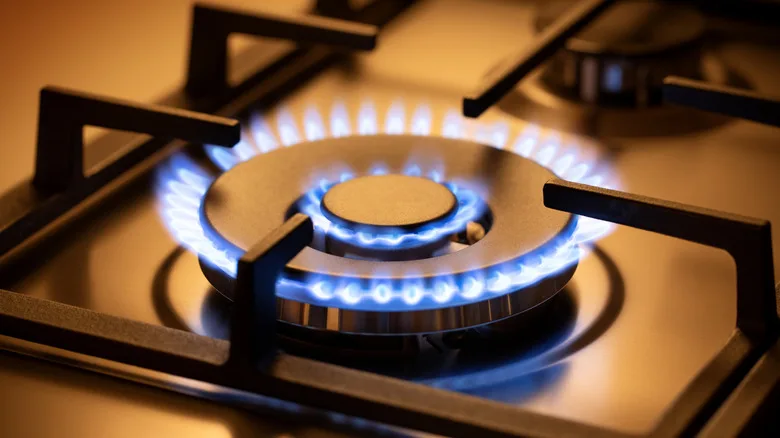
For decades, the gas stove was the unquestioned centre of the Indian kitchen. It handled everything from morning tea and pressure-cooked dal to elaborate weekend meals. But today, that picture is changing. More homes are adopting electric cooking solutions that promise better control, cleaner surroundings, and less dependence on an open flame.
This shift is not about abandoning traditional cooking. It is about finding safer, faster, and more convenient ways to prepare everyday meals. Appliances such as a digital air fryer, an Electric pressure cooker, and other smart cooking tools are becoming part of modern routines because they solve practical problems that gas stoves often cannot.
Key Advantages Driving the Shift Away from Gas Stoves
These benefits explain why many households are gradually moving toward electric cooking solutions. They highlight how modern appliances address everyday challenges in safety, convenience, and efficiency.
Safer Cooking Without an Open Flame
Safety is one of the biggest reasons modern kitchens are reducing their dependence on gas. An open flame brings obvious risks, especially in homes with children, pets, elderly family members, or limited kitchen space. Loose clothing, unattended pans, and gas leaks can quickly become serious concerns.
Electric cooking appliances remove the visible flame. Many come with automatic shut-off, timer controls, overheat protection, and insulated outer surfaces. These features do not eliminate the need for care, but they make everyday cooking more manageable.
Better Control Over Time and Temperature
Gas cooking often depends on visual judgement. A low flame on one stove may behave differently from a low flame on another. This can make consistency difficult, especially for beginners.
Modern electric appliances offer more precise settings. A digital air fryer, for example, allows users to select a temperature and cooking duration instead of constantly adjusting the flame. An Electric pressure cooker uses programmed settings to control pressure and cooking time for rice, dal, soups, and one-pot meals. This control reduces guesswork.
Cleaner Kitchens With Less Daily Effort
Gas stoves can create cleaning work. Oil droplets, food spills, soot, and heat stains often settle around burners, walls, and nearby surfaces. Burner rings and metal supports also require regular scrubbing.
Electric kitchen appliances are usually easier to maintain because cooking happens inside enclosed vessels or removable baskets. An Air Fryer contains splashes within its chamber, while an Electric pressure cooker keeps steam and food enclosed during most of the process.
This does not make them maintenance-free, but it can reduce daily cleaning. For small apartments and open kitchens, a cleaner setup also helps the entire home feel organised.
Less Heat in the Kitchen
Anyone who has cooked during an Indian summer knows how quickly a gas stove can heat the room. Multiple burners, long simmering times, and poor ventilation can make cooking uncomfortable.
Electric appliances often focus heat directly on the food. A digital air fryer circulates hot air inside a closed chamber, while pressure-based cooking reduces the time needed for many dishes. This can limit the heat released into the surrounding space.
A cooler kitchen is valuable in studio apartments, compact homes, and kitchens without strong ventilation. It also makes cooking less tiring during hot and humid weather.
Convenience for Busy Lifestyles
Modern households need cooking methods that fit around work calls, school schedules, exercise, and irregular meal times. Gas stoves usually require active attention. A pan must be watched, stirred, or checked to avoid burning or overflowing.
Smart appliances reduce that constant supervision. Timers, preset modes, and keep-warm functions allow users to complete other tasks while food cooks. An Air Fryer can roast vegetables or prepare snacks with limited checking, while an Electric pressure cooker can manage a complete one-pot meal.
More Efficient Use of Space
Modern kitchens are becoming smaller, especially in urban homes. Large cooking setups are not always practical. Compact appliances can create flexible cooking zones without permanent installation.
A digital air fryer can sit on a countertop and be stored when not in use. Electric pressure cookers can replace several pots by handling steaming, boiling, pressure cooking, and slow cooking in one unit.
The goal is not to fill the counter with appliances. It is to choose tools that perform multiple tasks and match the household’s cooking habits.
Energy Efficiency and Reduced Fuel Dependency
Electric cooking appliances can be more energy-efficient because they direct heat more precisely to the cooking vessel or enclosed chamber. Unlike gas stoves, where some heat escapes into the surrounding air, appliances like an Air Fryer or Electric pressure cooker use controlled environments to cook food faster with less energy loss.
They also reduce dependence on LPG cylinders, which require regular refilling and can be inconvenient during shortages or delivery delays. For many households, this adds a layer of reliability to daily cooking.
Consistent Cooking Results for Everyday Meals
Consistency is important, especially for people who cook regularly but may not have advanced culinary skills. Gas stoves often require constant adjustments and experience to achieve the same results each time.
Electric appliances simplify this process. Preset programs and stable temperature control help ensure that dishes turn out similar every time they are prepared. Whether it is roasting vegetables in a digital air fryer or cooking rice in an Electric pressure cooker, users can rely on predictable outcomes with less effort.
A Shift Towards Flexible, Flame-Free Cooking
Modern kitchens are moving away from gas stoves because people want more than basic heat. They want safety, consistency, easier cleaning, lower kitchen heat, and greater control over time.
Gas cooking may still remain important in many homes, especially for certain traditional techniques. However, appliances such as a digital air fryer, an Air Fryer, and an Electric pressure cooker are changing how daily meals are planned and prepared.
The future kitchen is likely to be more flexible than fully gas-free. It will combine familiar recipes with smarter cooking methods, allowing families to choose the most practical appliance for each meal.