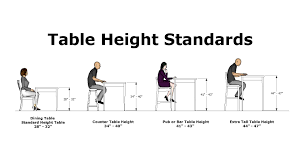
Standard Table Height is 28 to 30 inches (71 to 76cm). When it comes to selecting the perfect table for your space, understanding standard table heights is crucial. Tables serve various purposes, from dining and working to displaying decor, and their height can impact functionality and comfort.
Whether you’re furnishing a home, office, or event space, the right table height ensures ease of use and aesthetic harmony. This guide explores the different types of tables, their standard heights, and tips for selecting the best option for your needs.
What Is the Standard Table Height?
Standard table height varies based on the type and purpose of the table. Dining tables, for example, typically stand 28 to 30 inches (71 to 76 cm) high, providing a comfortable fit for most standard chairs.
Coffee tables, on the other hand, are lower, usually 16 to 18 inches (41 to 46 cm), allowing them to complement sofas and seating arrangements. The standard height ensures practicality while maintaining ergonomic comfort for users.
Types of Tables and Their Standard Heights
Dining Tables:
Standard height ranges from 28 to 30 inches (71 to 76 cm). This height accommodates dining chairs and allows for a comfortable dining experience.
Coffee Tables:
Typically 16 to 18 inches (41 to 46 cm) tall, these tables are designed to sit lower for easy access from a couch.
Side Tables:
Side tables or end tables are usually 22 to 30 inches (56 to 76 cm) tall, and designed to complement the height of a sofa or bed.
Bar Tables:
Bar tables stand taller at 40 to 42 inches (102 to 107 cm) and pair with bar stools or high chairs.
Work Desks:
Standard desk height is around 29 to 30 inches (74 to 76 cm), suitable for ergonomic office chairs.
Console Tables:
These tables range from 28 to 36 inches (71 to 91 cm), ideal for hallways or behind sofas.
Dining Table Height: What You Need to Know
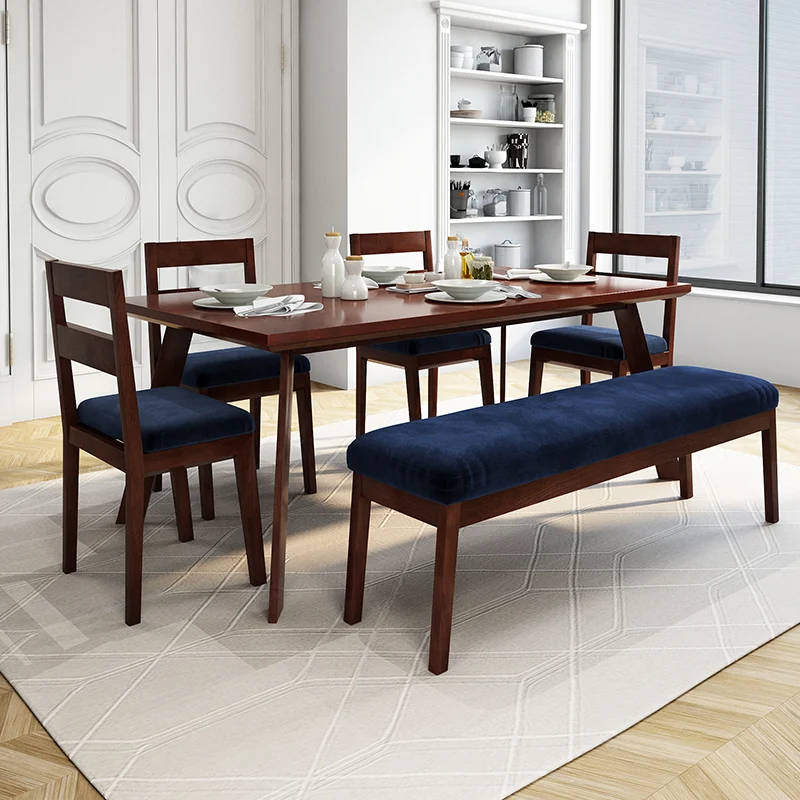
Dining tables are central to most households, serving as a space for meals, gatherings, and more. The standard height of 28 to 30 inches (71 to 76 cm) is optimal for most dining chairs, which are typically 17 to 19 inches (43 to 48 cm) from the ground to the seat.
This height ensures that diners can sit comfortably, with their feet flat on the floor and adequate space for legs under the table. For formal dining settings, slightly higher tables may be preferred to create an elegant appearance.
Coffee Table vs. Side Table: Height Differences Explained

While both coffee tables and side tables are designed for living spaces, their heights differ significantly. Coffee tables are lower, typically 16 to 18 inches (41 to 46 cm), aligning with the height of most sofas.
Side tables, however, are taller at 22 to 30 inches (56 to 76 cm), making them more convenient for placing items like lamps, books, or drinks while seated. Understanding these differences helps in choosing tables that enhance both functionality and aesthetics.
How to Choose the Right Table Height for Your Needs
Selecting the right table height involves considering the intended use, surrounding furniture, and personal comfort. For dining areas, ensure the chairs match the table height.
In living rooms, coffee tables should align with sofa cushions, while side tables should be within easy reach when seated. Adjustable tables offer versatility, allowing you to modify the height as needed for different activities.
Adjustable Tables: A Flexible Solution for Modern Spaces
Adjustable-height tables are a versatile choice for modern living and workspaces. These tables can be customized to serve as dining tables, desks, or even standing workstations. Popular among those who value flexibility, adjustable tables cater to diverse needs and preferences, making them a practical investment for multipurpose spaces.
Standard Table Heights Across Different Countries
Standard table heights can vary slightly across countries due to cultural preferences and manufacturing standards. For instance, in the United States, dining tables are typically 30 inches (76 cm) tall, while in Japan, lower tables, such as traditional chabudai, are more common. Understanding these variations is helpful when purchasing furniture internationally or designing a culturally inspired space.
DIY Tips for Adjusting Your Table Height
If your table doesn’t match your needs, there are simple DIY solutions to adjust its height. Adding furniture risers can elevate a table while shortening the legs can lower it. Always ensure modifications maintain the table’s stability and aesthetic appeal. Using protective pads or caps can also prevent damage to the floor during adjustments.
Standard Table Video and images
Frequently Asked Questions about Standard Table Height
What is the standard height of a table?
The standard height of a table is typically between 28 inches (71 cm) and 30 inches (76 cm) from the floor to the tabletop. This height is suitable for most people to sit comfortably.
What is the standard height of a dining table?
Dining tables are usually between 28 inches (71 cm) and 30 inches (76 cm) tall, similar to general table standards.
What is the standard height of a desk?
The typical desk height ranges from 28 inches (71 cm) to 30 inches (76 cm), aligning with the standard table height for comfortable use when sitting.
How high should a table be for a chair?
The height of the table should be about 10 to 12 inches (25 to 30 cm) higher than the seat height of the chair to ensure comfortable legroom and ease of use.
How do you measure table height?
To measure the height of a table, use a measuring tape and measure the distance from the floor to the underside of the tabletop. Ensure the table is placed on a flat surface for accurate results.
Conclusion about Standard Table Height
Understanding standard table heights is essential for creating functional and comfortable spaces. From dining tables to adjustable options, each table type serves a unique purpose, and its height significantly impacts its usability.
Whether you’re furnishing a home, designing an office, or hosting an event, selecting the appropriate table height ensures both practicality and aesthetic appeal.
Standard Table Height By considering factors such as intended use, surrounding furniture, and personal preferences, you can make informed choices that enhance your living or working environment. Remember, if your table height doesn’t meet your needs, simple adjustments or choosing adjustable models can provide the perfect solution.