Introduction
Trailers designed for dirt bikes, scooters, and sport bikes play a pivotal role in the transportation of these specialised vehicles. These trailers are purpose-built to ensure the safety and security of the bikes during transit. Their robust construction and innovative features make them an indispensable asset for enthusiasts and professionals alike. Moreover, they come in various types and sizes, catering to the unique requirements of each bike category. Understanding the key elements of these trailers, from hitching techniques to compliance with legal standards, is crucial for a seamless and secure towing experience. In this comprehensive guide, we will delve into the intricacies of dirt bike, scooter, and sport bike trailers, highlighting the essential aspects that every owner and user should be well-versed in.
Trailer Design and Construction
The foundation of a reliable dirt bike trailer lies in its design and construction. The chassis, typically made of durable steel or aluminium, forms the backbone, providing structural integrity. Axles and suspension systems are pivotal components, determining the trailer’s load-bearing capacity and stability during transit. The flooring material, often reinforced with anti-slip features, ensures bikes remain secure during transport. Additionally, specialised tie-down points and securing mechanisms are strategically placed to firmly anchor the bikes in place. Aerodynamic considerations and weather-resistant coatings are also integrated into the design, enhancing efficiency and protecting the trailer from external elements.
Safety Considerations
Ensuring safety during towing is paramount and begins with proper hitching and towing techniques. It’s crucial to use compatible hitches and ensure they are securely fastened. Regularly inspecting trailer tires and brakes helps prevent potential issues on the road. Properly securing bikes within the trailer is vital; use high-quality straps and restraints to prevent shifting during transit. Additionally, understanding weight limits and adhering to legal regulations is essential for a safe and hassle-free towing experience. Regular maintenance checks on both the trailer and towing vehicle play a significant role in maintaining safety standards.
Maintenance and Care
Regular maintenance is imperative for the longevity and safety of your trailer. This includes routine cleaning to remove dirt, grime, and corrosive materials that can affect its structural integrity. Inspecting for wear and tear on components such as tires, brakes, and lights ensures they function optimally. Lubricating moving parts and hinges prevents friction-related damage and ensures smooth operation. Addressing any identified issues promptly helps prevent further damage and costly repairs in the long run. Lastly, proper storage, such as keeping the trailer covered and elevated off the ground, shields it from environmental elements, prolonging its lifespan.
Legal and Regulatory Considerations
Compliance with local and national laws is crucial when towing a trailer. This involves obtaining the appropriate licences and registrations for both the trailer and the towing vehicle. Understanding weight limits and load distribution is essential to avoid fines and ensure road safety. Adhering to specific trailer safety standards, such as proper lighting and reflective elements, is mandatory for visibility on the road. Additionally, staying informed about any regional or international regulations for transporting trailers across borders is vital for hassle-free journeys. Staying updated with legal requirements helps guarantee a smooth and lawful towing experience.
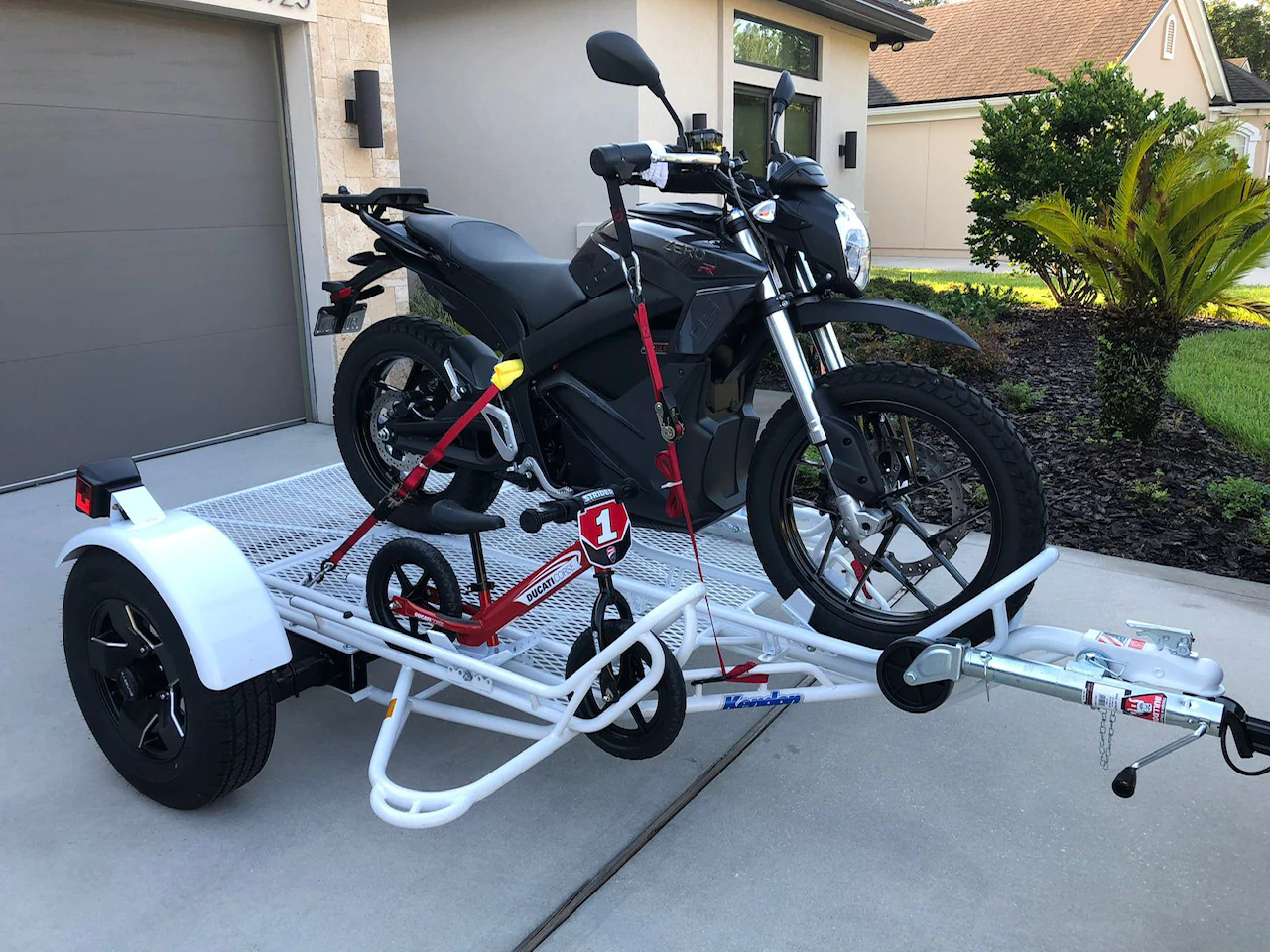
The cutting-edge design of an electric dirt bike combines sustainable technology with high-performance capabilities, revolutionising off-road adventures. With zero emissions and powerful electric motors, these bikes offer an eco-conscious yet thrilling riding experience for outdoor enthusiasts.
User Tips and Recommendations
Loading and Unloading
Prioritise safety by using sturdy ramps and having a spotter to guide the process. Ensure bikes are properly secured before transport.
Proper Weight Distribution
Distribute weight evenly to maintain stability during transit. This prevents swaying or fishtailing while on the road.
Adequate Lighting and Signage
Ensure all lights are functional and reflective elements are visible. This enhances safety, especially during nighttime travel.
Regular Inspection during Travel
Periodically check straps and restraints to guarantee they remain secure. Make necessary adjustments if any slippage is detected.
Adherence to Speed Limits
Stay within recommended speed limits to maintain control and prevent accidents, especially when towing a loaded trailer.
Customization Options
Accessories and Add-Ons
Trailers offer a range of customization possibilities. These include additional storage compartments, spare tire mounts, and specialised toolboxes for added convenience.
Specialised Modifications
Tailoring a trailer to specific bike models can involve custom racks, wheel chocks, and adjustable tie-down points to securely accommodate unique dimensions.
Reflective Decals and Lighting
Enhancing visibility on the road is crucial. Consider adding reflective decals and extra lighting for increased safety, especially during low-light conditions.
Trailer Flooring Options
Choosing the right flooring material can impact traction and durability. Options range from standard plywood to advanced, slip-resistant surfaces.
Weather Protection Additions
Enclosures and covers protect bikes from the elements during transit. They safeguard against rain, snow, and debris, ensuring bikes arrive in optimal condition.
Comparing Trailer Models
Strengths and Weaknesses
Each trailer type – dirt bike, scooter, and sport bike – possesses unique strengths and potential drawbacks. For example, dirt bike trailers are typically more rugged, while sport bike trailers may prioritise aerodynamics.
Size and Capacity
Consider the dimensions and weight capacity of different trailer models. This determines how many bikes can be transported and whether they accommodate specific sizes or styles.
Cost Considerations
Budget is a critical factor. Dirt bike trailers, known for their durability, may come with a higher initial investment, whereas scooter trailers may offer a more budget-friendly option.
Additional Features
Some trailers may come equipped with advanced features like integrated ramps, hydraulic lifts, or specialised tie-down systems. Evaluate which extras align with your specific needs.
User Reviews and Testimonials
Feedback from other users provides valuable insights into the performance and reliability of different trailer models. Consider real-world experiences to inform your decision-making process.
Environmental Impact
Sustainable Materials
Opting for trailers constructed with eco-friendly materials, such as recycled steel or aluminium, minimises environmental impact during production.
Fuel Efficiency
Lightweight trailers with aerodynamic designs contribute to reduced fuel consumption, lowering emissions during transportation.
Proper Maintenance Practices
Regular upkeep ensures trailers remain in optimal condition, maximising their lifespan and reducing the need for replacement, ultimately decreasing waste.
Eco-conscious Manufacturing
Choosing trailers from manufacturers committed to sustainable practices can help support the reduction of the industry’s overall environmental footprint.
Recycling and Disposal
Responsibly disposing of trailers at the end of their lifespan, ensuring components are recycled or repurposed, further contributes to environmental conservation efforts.
Safety Gear and Accessories
Towing Safety Equipment
Crucial safety gear includes high-quality straps, tie-downs, and wheel chocks to secure bikes within the trailer. Additionally, consider using safety chains as an extra precaution.
Protective Gear for Transported Bikes
Covering bikes with sturdy, weather-resistant covers shields them from road debris, rain, and UV exposure, preserving their condition during transit.
Reflective Markings and Lights
Enhancing visibility is essential for safety. Install reflective tape or decals on the trailer’s exterior, and ensure all lights are functional, including brake and signal lights.
Trailer Locks and Security Measures
Deter theft and unauthorised access by using locks designed specifically for trailers. Coupling locks and wheel locks provide an added layer of security.
Wheel Chocks and Stabilising Devices
These accessories prevent bikes from shifting during transit, enhancing stability and reducing the risk of accidents or damage to the trailer or bikes.
International Regulations and Standards
Universal Trailer Dimensions
Adhering to globally accepted trailer dimensions ensures compatibility with transportation infrastructure in different countries, reducing logistical complications.
Compliance with Road Safety Laws
Familiarise yourself with international road safety laws, including speed limits, weight restrictions, and towing requirements, to guarantee legal adherence during cross-border travel.
Import and Export Procedures
Understanding the documentation, permits, and customs requirements for transporting trailers internationally is essential for seamless border crossings.
Trailer Certification and Approval
Ensuring that trailers meet recognized international certification standards confirms their safety and quality, facilitating acceptance in various regions.
Cross-Border Transportation Considerations
Be aware of specific regulations and agreements between neighbouring countries or regions, as they may have unique requirements for towing trailers across borders.
Emerging Trends in Trailer Technology
Smart Integration
Trailers equipped with IoT sensors and telematics systems enable real-time monitoring of vital parameters like temperature, tire pressure, and security, enhancing safety and efficiency.
Electric and Hybrid Trailers
The shift towards eco-friendly transportation extends to trailers, with the development of electric and hybrid models that reduce emissions and fuel consumption.
Aerodynamic Advancements
Innovative designs and materials aim to improve aerodynamics, minimising drag and maximising fuel efficiency for a more sustainable towing experience.
Advanced Materials and Composites
Lightweight, durable materials like carbon fibre and advanced alloys are being increasingly used, improving strength-to-weight ratios and overall trailer performance.
Autonomous Towing Technology
Research and development in autonomous vehicle technology are extending to trailer towing, with prototypes demonstrating the potential for self-driving trailer systems.
Conclusion
In conclusion, investing in a tailored trailer for your dirt bike, scooter, or sport bike proves to be a game-changer for avid riders and enthusiasts. The robust design and customizable features ensure not only safe transportation but also convenience and peace of mind. By adhering to safety regulations and regular maintenance, these trailers become indispensable assets for any biking adventure. Moreover, the evolving trends in trailer technology promise even more exciting possibilities for the future, including enhanced efficiency and eco-friendliness. So, whether you’re a seasoned rider or a weekend explorer, a well-chosen trailer is an essential companion that elevates every ride to new heights.