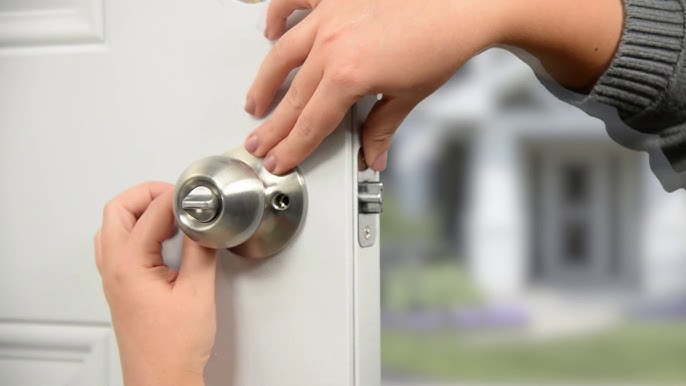
In the ever-evolving landscape of commercial spaces, inclusivity has become a core principle guiding design and accessibility considerations. One crucial aspect of this inclusivity is often overlooked – ADA (Americans with Disabilities Act) door locks. These unassuming yet vital components play a significant role in making commercial spaces accessible to all, regardless of physical ability. In this article, we explore the profound significance of ADA door locks and how they contribute to creating welcoming and inclusive environments for everyone.
Understanding ADA Door Locks
Before delving into their importance, let’s define what ADA door locks are. ADA-compliant door locks are designed to meet the accessibility requirements outlined in the Americans with Disabilities Act. These regulations aim to ensure that individuals with disabilities have equal access to public and commercial facilities.
ADA door locks come in various forms, but they share common features:
- Lever Handles: Instead of traditional doorknobs, ADA-compliant locks often feature lever handles. These handles are easier to operate for people with limited hand strength or dexterity.
- Clear Opening Width: ADA regulations specify the minimum clear width of door openings, ensuring that wheelchairs and mobility devices can easily pass through without obstructions.
- Occupancy Indicators: Some ADA door locks include occupancy indicators, which clearly indicate whether a restroom or other space is in use, enhancing convenience and privacy.
Promoting Accessibility and Inclusivity
- Equal Access: ADA door locks are not just a matter of compliance; they represent a commitment to providing equal access to all individuals. In commercial spaces, this translates to inclusivity and a broader customer base. Whether it’s a retail store, restaurant, or office building, accessible entrances and restroom facilities are essential for welcoming everyone.
- Enhancing Customer Satisfaction: Inclusivity breeds customer satisfaction. When patrons, regardless of their physical abilities, can enter and navigate a commercial space comfortably, it sends a powerful message of respect and consideration. This positive experience can lead to repeat business and favorable reviews.
- Legal Compliance: Compliance with ADA regulations is not just a good practice; it’s the law. Non-compliance can result in legal consequences, including fines and lawsuits. By investing in ADA door locks and ensuring accessibility, commercial property owners and managers protect themselves from potential legal issues.
Choosing the Right ADA Door Locks
Selecting ADA-compliant door locks involves considering factors such as the type of commercial space, the level of security needed, and the aesthetic preferences. There are various ADA-compliant options available, ranging from basic lever handles to high-security electronic access control systems. Engaging with a knowledgeable locksmith or security professional can help ensure that the chosen locks meet both ADA requirements and the specific security needs of the space.
Conclusion
In the journey toward creating inclusive and accessible commercial spaces, ADA door locks
play a pivotal role. These unassuming components, with their lever handles, clear openings, and occupancy indicators, symbolize a commitment to inclusivity, legal compliance, and customer satisfaction. They are not merely functional; they are a statement that every individual is welcome and valued. As we continue to shape our commercial environments, let us recognize the significance of ADA door locks in unlocking the doors of inclusivity and equal access for all.