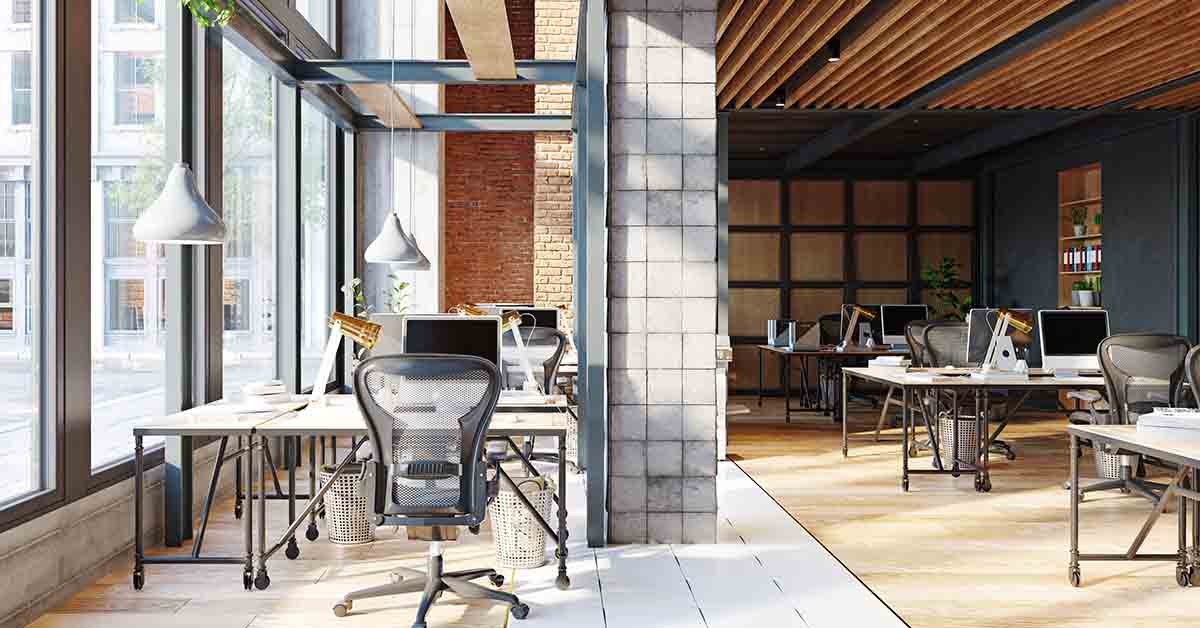
India has witnessed a remarkable transformation in its real estate landscape, particularly in the realm of flexible office spaces. With the rapid growth of startups, freelancers, and remote work, the demand for flexible office solutions has surged. However, this growth has also raised concerns about the environmental impact of such developments. In response, many Indian flex space developers are embracing sustainable practices to create more eco-friendly workspaces. In this blog, we will explore some of the key sustainable practices in Indian flex space developments.
A recent report by CBRE pointed out that almost 56% of respondents are planning to lease more flex spaces. By 2025, these respondents are expecting to have more than 10% of the total office portfolio under flexible spaces. The flex office market in India has been growing and such figures state that the demand for managed and flexible workspaces will continue to empower the commercial real estate sector. Moving further, we will first talk about the key highlights from the report in the context of the thriving flexible and shared office market in India.
- Delhi-NCR, Bengaluru, Chennai, Pune, and Hyderabad are accountable for a total of 53 million square feet of total operational flex stock.
- 8,39,250+ is the number of total operational flex seats in India.
- Bengaluru, Hyderabad, and Delhi-NCR have a 68% share in operational flex stock.
- There has been a remarkable 3.2X growth in enterprise flex leasing from FY 2021 to FY 2023.
- 10X growth has been recorded between FY2021 in flex seat leasing among the startups.
So, these are some of the key pointers that demonstrate the growth of the flex office market in India. Moving ahead, let’s discuss some of the sustainable solutions that are cementing the place of the shared office in India.
- Energy Efficiency:
One of the fundamental aspects of sustainability in flex space developments is energy efficiency. Operators are increasingly adopting energy-efficient lighting systems, heating, ventilation, and air conditioning (HVAC) systems, and smart building management technologies. These measures not only reduce energy consumption but also lower operating costs for both developers and tenants.
- Touchless Solutions:
Touchless solutions have revolutionized the way we interact with our environment, especially in the context of flex spaces. These versatile, dynamic workspaces have adapted swiftly to the demands of the post-pandemic world by incorporating touchless technology. From automated doors and contactless access systems to sensor-driven lighting and HVAC controls, flex spaces now prioritize hygiene and safety. These innovations not only reduce the risk of germ transmission but also enhance the overall user experience, offering convenience and efficiency.
- ESG Compliances:
ESG (Environmental, Social, and Governance) compliances have become increasingly crucial in today’s business landscape. These standards represent a commitment to sustainable and responsible business practices. Environmental compliance focuses on minimizing a company’s ecological footprint by adhering to regulations related to emissions, waste management, and resource conservation. Social compliance emphasizes the company’s commitment to fair labour practices, diversity, and community engagement, ensuring a positive impact on society. Governance compliance centres on transparency, ethical leadership, and accountability within the organization. Adhering to ESG compliances not only aligns a company with global sustainability goals but also enhances its reputation, attracts socially conscious investors, and mitigates risks.
- IoT-Enabled Workspaces:
IoT-enabled flexible workspaces represent the cutting edge of workplace evolution. With sensors and smart devices seamlessly integrated throughout these dynamic environments, they offer a host of benefits. Employees can easily locate available desks, meeting rooms, or collaborative spaces through real-time occupancy data, optimizing workspace utilization. IoT also enhances comfort and productivity, with automated temperature and lighting adjustments based on individual preferences and occupancy patterns.
In conclusion, the demand for flexible office spaces in India is on the rise, but so is the need for sustainable practices in their development and operation. Indian flex space operators like Smartworks and others are recognizing the importance of reducing their environmental impact and are taking concrete steps to achieve this goal.
By embracing energy efficiency, touchless solutions, ESG practices, IoT, and other eco-friendly practices, they are not only meeting the demands of the modern workforce but also contributing to a more sustainable future for India. These efforts are not only commendable but also essential in a world where environmental responsibility is everyone’s duty.