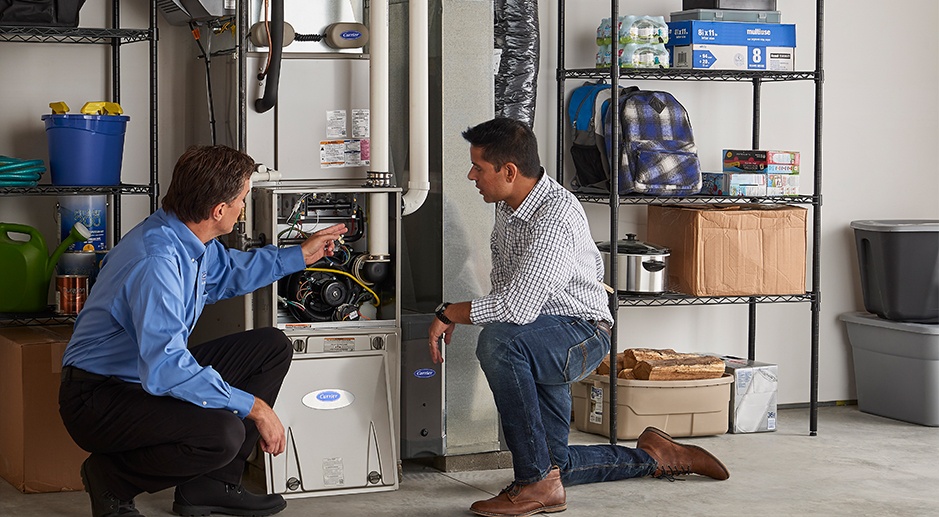
During cold seasons, your furnace becomes your main option. It will help in providing warmth and comfort. However, furnaces can encounter issues over time, so furnace repair is crucial. Regular maintenance and timely repairs will give consistent heating but also extend the lifespan of your system. This will save you from costly replacements. A malfunctioning furnace can disrupt your comfort and cause risks. Therefore, you need to ensure that the furnace is repaired. Different things are involved during this process that you should keep in mind. Understanding the steps involved in furnace repair helps you to address problems efficiently.
- Know the Types
Furnaces come in various types, including gas, electric, and oil-based systems. Each type has distinct components and repair considerations. Gas furnaces may face issues with ignition or gas leaks, electric furnaces might encounter problems with heating elements or electrical connections, while oil furnaces could suffer from burner malfunctions or fuel delivery problems. Knowing your furnace type is the first step in understanding its repair needs.
- Diagnosis
When your furnace shows signs of malfunctioning, such as uneven heating, strange noises, or frequent cycling, you should diagnose the issue. Start by checking the thermostat settings, air filters, and circuit breakers. If these are in order, examine the ignition system, blower motor, and other vital components again. A thorough diagnosis helps to know the root cause of the problem, making the repair process more efficient.
- Safety Precautions
Before you do any furnace repair, safety should be your top priority. Turn off the furnace’s power supply and gas source before attempting repairs. Gas leaks and electrical hazards can have serious consequences, so working in a well-ventilated area and wearing appropriate protective gear is essential. If you need clarification on any repair aspect, it is best to consult a professional technician like Furnace Repair Hamilton.
- Gathering Tools and Parts
After the above processes, you should gather the necessary tools and parts. Your allies will be basic tools like screwdrivers, wrenches, and a multimeter. Depending on the repair, you might need replacement parts such as igniters, flame sensors, or motors. Ensure you have the correct model numbers and specifications to source the right components.
- Basic Maintenance
Sometimes, furnace issues are minor and can be resolved through basic maintenance. Cleaning the air filters, lubricating moving parts, and checking for loose connections are simple tasks that can improve your furnace’s performance. Regular upkeep prevents breakdowns and optimizes energy efficiency, saving you money on utility bills.
- Component Replacement
For more complex repairs, such as replacing a faulty blower motor or a malfunctioning gas valve, careful execution is essential. Begin by disconnecting the power and gas supply. Remove the old component, following manufacturer guidelines or repair manuals. Install the new part accurately, ensuring proper connections and alignments. After replacement, double-check all connections before restoring power and gas.
Repairing a furnace can be complicated at some point. Therefore, doing work alone can be challenging. In this case, you need to think of a repair service provider like Furnace Repair Hamilton. These experts know how to do everything involved in furnace repair without any mistakes. Ensure you get the best since most of them can do specific jobs. These experts must have more than thirty years of experience in repairing furnaces. Remember this to get the best results when repairing your furnace.