Introduction:
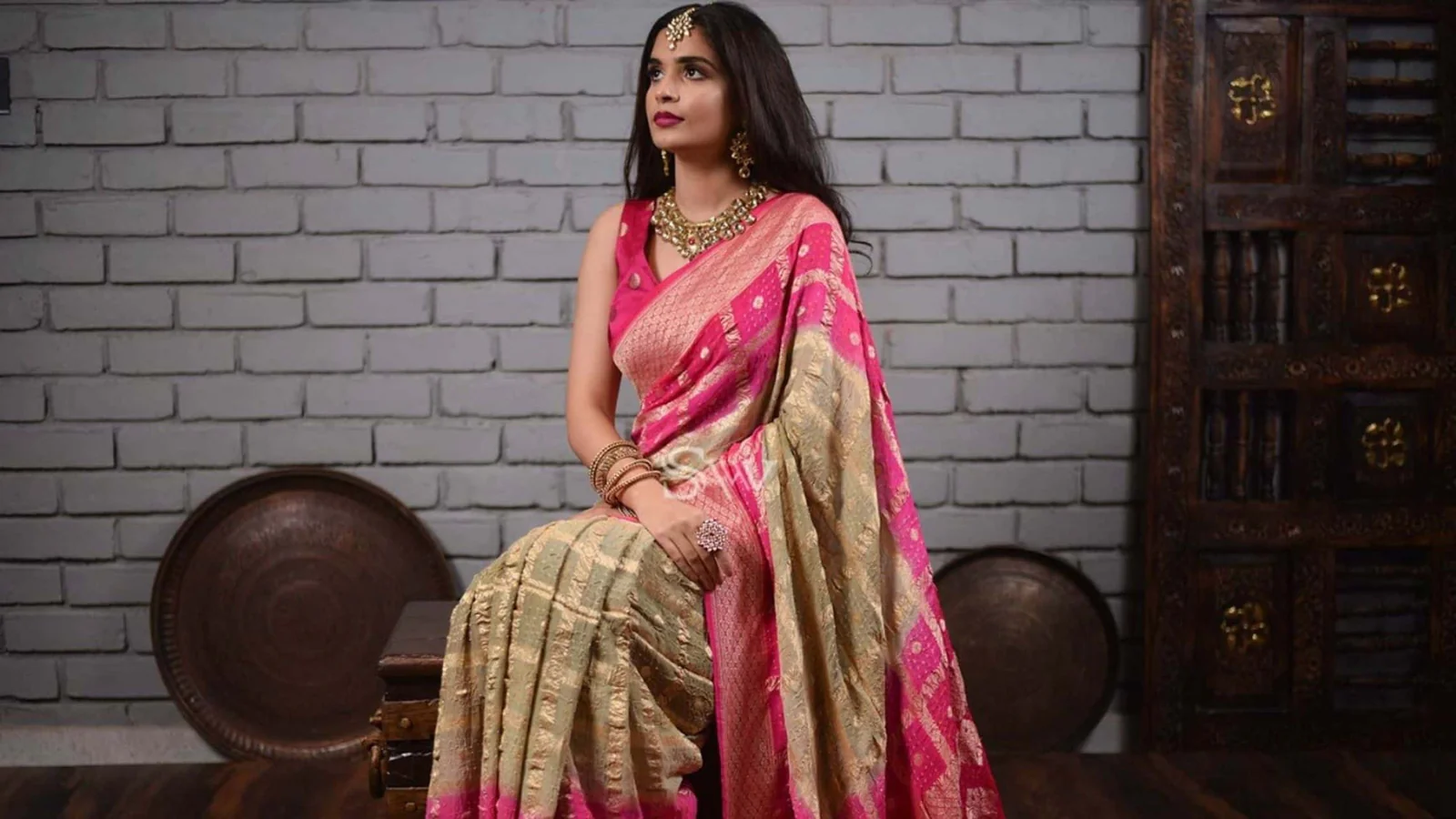
The Kanjivaram silk saree, also known as Kanchipuram saree, is a quintessential symbol of Indian tradition and craftsmanship. Originating from the town of Kanchipuram in Tamil Nadu, India, this exquisite saree is renowned for its intricate designs, luxurious silk fabric, and rich cultural heritage. The Kanjivaram silk saree is a cherished possession for women across the country, with its timeless appeal and unmatched beauty. This comprehensive guide aims to delve into the world of Kanjivaram silk sarees, exploring their history, weaving techniques, motifs, and cultural significance. By delving into these aspects, we aim to highlight the exceptional craftsmanship and enduring legacy of the Kanjivaram silk saree.
- History and Cultural Significance of Kanjivaram Silk Saree:
The history of Kanjivaram silk sarees dates back over several centuries. The weaving tradition in Kanchipuram is believed to have been initiated by the weaver community known as Devangas, who migrated from Andhra Pradesh. Over time, the saree became an integral part of South Indian weddings, religious ceremonies, and cultural events, symbolizing prosperity, elegance, and tradition.
- Weaving Techniques and Production:
Kanjivaram silk sarees are meticulously handcrafted by skilled weavers who employ traditional weaving techniques passed down through generations. The process involves several stages:
Silk Selection:
Kanjivaram sarees are made from pure mulberry silk, renowned for its durability, luster, and rich texture.
The silk threads are carefully sourced and inspected for quality, ensuring only the finest strands are used.
Dyeing:
The silk threads are then dyed using vibrant and natural colors.
Traditional methods are employed, such as immersion dyeing or tie-and-dye techniques, to achieve the desired hues.
Zari Preparation:
Zari, the metallic thread used for embellishment, is made by wrapping a silk thread with a fine silver wire and then gold-plating it.
The zari is meticulously prepared by skilled artisans, who ensure the quality and precision of the work.
Warp Setting:
The loom is set up with vertical threads, known as the warp, which forms the foundation of the saree.
The warp threads are carefully aligned and attached to the loom, ready for weaving.
Weaving:
The weaver skillfully interlaces the warp threads with the weft, creating intricate patterns and motifs.
The weaving process requires meticulous attention to detail, as each design element is handwoven with precision.
Border and Pallu Design:
The border and pallu (the decorative end piece of the saree) are meticulously woven with zari work, showcasing intricate motifs, geometric patterns, and traditional designs.
These embellishments add an opulent touch and enhance the beauty of the saree.
III. Motifs and Designs:
Kanjivaram silk sarees are renowned for their intricate and elaborate motifs, which are inspired by nature, temple architecture, and mythology. Some popular motifs include:
Peacock:
The peacock motif symbolizes beauty, grace, and fertility.
It is intricately woven into the saree, often adorning the pallu or the borders.
Temple Border:
The temple border is a distinctive feature of Kanjivaram sarees.
It features architectural designs inspired by temple carvings, such as columns, motifs of deities, and sacred animals.
Floral Motifs:
Floral patterns are commonly found in Kanjivaram sarees, representing nature’s beauty and abundance.
Flowers like jasmine, lotus, and sunflower are intricately woven into the fabric, adding a touch of elegance.
Mythological Figures:
Kanjivaram sarees often depict mythological figures and stories from Indian epics, such as the Ramayana and Mahabharata.
These motifs reflect the rich cultural heritage and storytelling traditions of the region.
- Characteristics and Uniqueness:
Kanjivaram silk sarees possess several distinct characteristics that set them apart from other silk sarees:
Luxurious Silk Fabric:
Kanjivaram sarees are crafted from pure mulberry silk, known for its luster, softness, and durability.
The silk fabric gives the saree a rich texture, ensuring a comfortable drape.
Vibrant Colors:
Kanjivaram sarees feature a vibrant color palette, with hues ranging from bold and bright shades to subtle and pastel tones.
The dyeing techniques used in the production process create vivid and long-lasting colors.
Heavy Zari Work:
Kanjivaram sarees are adorned with exquisite zari work made from pure gold or silver-coated thread.
The zari work adds a touch of opulence and grandeur to the saree, making it a coveted attire for special occasions.
Durability and Longevity:
Kanjivaram silk sarees are known for their sturdiness and longevity.
The high-quality silk and intricate weaving techniques ensure that these sarees can be cherished for generations.
- Maintenance and Care for Kanjivaram Silk Sarees:
To preserve the beauty and longevity of Kanjivaram silk sarees, proper care and maintenance are essential. Here are some tips:
Storage:
Store the saree in a clean, dry, and well-ventilated space.
Wrap it in a muslin cloth or acid-free tissue paper to protect it from dust and moisture.
Folding:
Avoid folding the saree along the same lines repeatedly to prevent permanent creases.
Rotate the folding pattern periodically to distribute the stress on the fabric.
Cleaning:
Dry clean the saree to ensure the removal of stains and maintain its luster.
Avoid washing it at home, as improper handling can damage the delicate zari work.
Handling:
Handle the saree with clean hands to avoid transferring oils or dirt onto the fabric.
Avoid sharp objects or jewelry that can snag or damage the delicate silk threads.
- Conclusion:
The Kanjivaram silk saree stands as a testament to the timeless craftsmanship and artistic excellence of Indian weavers. With its intricate motifs, luxurious silk fabric, and cultural significance, the Kanjivaram silk saree is a masterpiece that embodies the rich heritage and traditions of India. As women adorn themselves in these sarees for special occasions, weddings, and festivals, they carry forward a legacy that has been cherished for centuries. The Kanjivaram silk saree is not just a garment; it represents the essence of Indian culture, craftsmanship, and the unparalleled beauty of traditional handloom weaving.