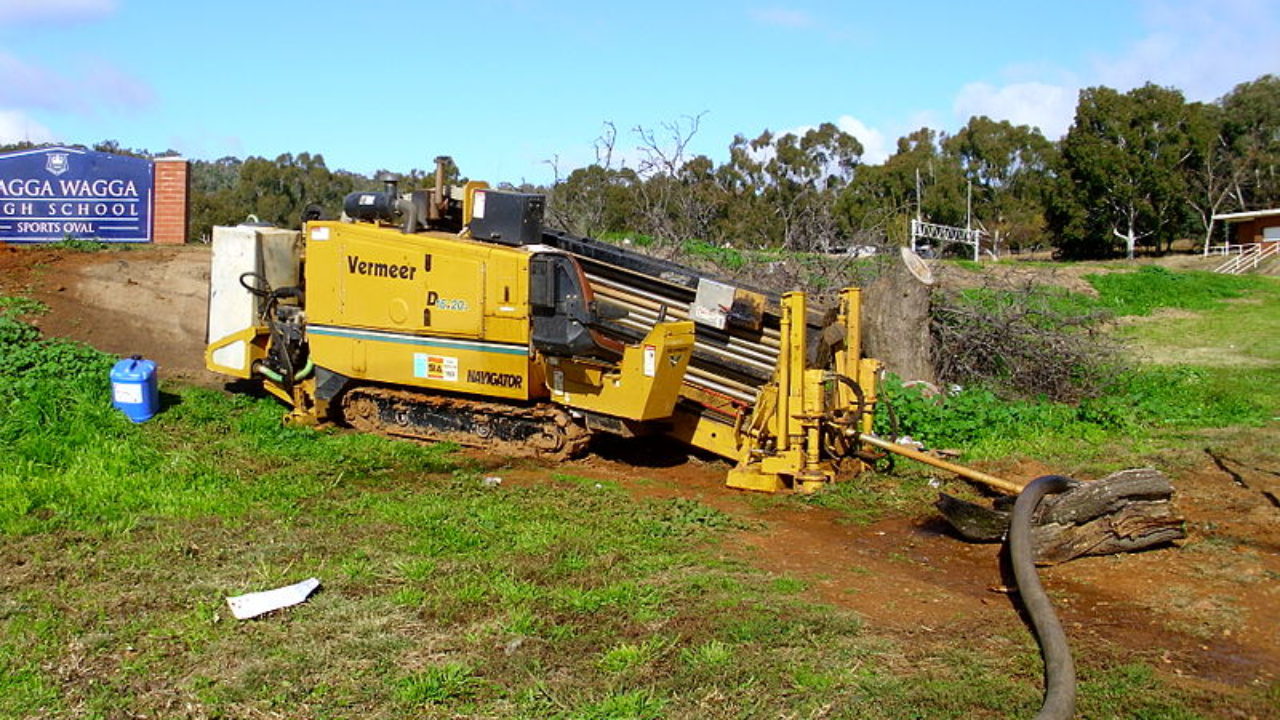
Directional drilling uses computer simulation programs to create a well path for the drill bit. This means it can change direction even a mile away from the entry point.
Directional drilling allows oil and gas wells to access underground reservoirs that cannot be reached from the surface. This increases the amount of oil or gas a well can produce. It also reduces the number of well sites required, lowering project costs and reducing environmental impact.
Directional Drilling Servicescan also be used to install conduits such as water, sewer, fiber optic cable and electric lines under busy roads without disrupting traffic or business operations. The drill path is pre-planned by engineers and geologists before the work begins.
Directional drilling is particularly useful when a well experiences extreme pressure and becomes uncontrollable. A relief well can be drilled to intersect with the wild well and mud and water pumped in to lower the pressure and prevent more damage or even seal it off forever. It is a very complex process that requires the expertise of a directional drilling services company. This is one reason why oil and gas companies turn to directional drilling specialists.
In the water industry, directional drilling can be used to place pipelines and utility services. These projects can include anything from installing a 4″ sanitary sewer line to a 30″ water mainline. Utility crossings can also be made under roads and driveways, culverts, rivers, creeks, wetlands, levies and other obstructions.
Directional drilling services is especially helpful in urban areas where shutting down sections of the road and sidewalk for long periods of time could cause major traffic and safety concerns.
Directional drilling has been used to place pipelines under rivers and in locations where it was not possible or cost-effective to trench. It has been used to install water lines for commercial and residential properties as well as uncontrolled wells. Uncontrolled wells are sometimes drilled horizontally to maximize reservoir penetration. For these types of projects 2D and 3D computer modelling programs are used to design the well plan.
Installing sewer pipes in a commercial or residential area, directional drilling can be the perfect solution. It allows to complete projects without requiring large sections of a road or sidewalk to be closed off for trenching.
This process is ideal for busy urban areas where traffic and commercial activity cannot afford any disruptions. It also allows to work on sewer lines with little impact on water supplies or wetlands.
This method is also great for working under rivers and railroad crossings, or where uncontrolled wells have been discovered and need to be intercepted to kill them with mud and kill fluid. The ability to do all this with minimal disruption allows contractors to complete jobs much quicker than traditional methods.
For installing underground cable or conduit, Directional Drilling is often the preferred method for minimizing the disruption of existing utilities. Unlike traditional methods that cut trenches across roads and sidewalks, directional drilling is a non-intrusive method that can be used to replace cable or pipe while avoiding the costly repair of damaged surfaces.
Directional drilling can also reduce the environmental cost of telecommunications projects by reducing the amount of landscape that is removed from the surface. Directional drilling can be used to make sharp turns or cover long distances that would otherwise be impossible.