Benefits of Braces for Kids
Braces have been a popular form of orthodontic treatment for decades and have proven to be an effective way to improve the alignment of teeth. Braces for kids are especially beneficial, as they can help the child achieve a healthy and attractive smile while providing other long-term benefits. In this article, we’ll explore some of the top benefits of braces for kids.
Braces help create a healthier mouth by correcting misaligned teeth. When teeth are out of alignment, it can cause them to overlap or rub against each other in ways that increase the risk for cavities and gum disease. In addition, crooked or crowded teeth may be difficult to properly brush and floss, making it more likely that plaque will build up between them. By realigning your child’s teeth with braces, you can reduce their risk for dental health issues in the future.
Kids braces Melbourne are also beneficial because they improve appearance and self-esteem in children. Many children become self-conscious about their smiles if their teeth aren’t straight or even; however, wearing braces can help them feel better about themselves by creating an attractive smile they can be proud of once treatment is complete.
Types of Braces Available
If you are considering orthodontic treatment to correct your crooked teeth or misaligned bite, you may be wondering what types of braces are available. Braces have come a long way in recent years, with many different styles and materials to choose from. This article will look at the different types of braces on offer, so you can make an informed decision about which one is right for you.
Traditional metal braces are the most commonly used type of braces. They consist of metal brackets that are attached to each tooth with a special adhesive and linked together by an archwire. These wires can be adjusted every few weeks during your treatment to gradually move your teeth into the correct position. Metal braces are strong, durable and relatively inexpensive compared to other types of braces.
Ceramic or clear brackets are also available if aesthetics is important to you. These work in exactly the same way as traditional metal ones but they use ceramic or plastic brackets instead which blend in better with your natural teeth colour making them much less visible than metal ones. However they tend to be more expensive than regular metal brackets and slightly less durable too so they might not be suitable for everyone’s needs or budget.
How Long Do Kids Wear Braces?
Braces are an important part of many children’s orthodontic care, and the length of time that your child will need to wear them can vary significantly from case to case. On average, most children tend to need braces for anywhere from 18 months to three years in order for them to achieve the desired results.
The length of time that a child may need braces depends on several factors. For example, if your child has a more complex dental issue that requires additional corrections than what is normal, they may require more time in braces than other children with less severe issues. In some cases, treatment can take as long as four or five years depending on the complexity of the issue at hand.
It is also important to note that age plays a factor when it comes to how long kids wear braces. Generally speaking, younger patients who are still growing tend to experience quicker results while older patients can take longer due to their bones being more mature and set in place already. As a result, it’s important for parents and guardians of younger children seeking orthodontic care not only to be prepared for possible longer treatment times but also understand why this might be necessary in order for their child’s teeth alignment needs to be met properly over time without any further delay.
Cost of Braces for Kids
Braces are a common treatment for children and teenagers who have misaligned or crooked teeth. While braces can be expensive, the cost is often worth it for the long-term health benefits they provide. This article will discuss the cost of braces for kids, the factors that influence cost, and how to save money on braces.
The average cost of braces for kids in the United States ranges from $3,000-$7,000 depending on several factors such as severity of tooth misalignment and materials used in construction. Metal braces are usually cheaper than ceramic or clear ones because they require less labour time to install. Additionally, insurance may cover part or all of your child’s treatment if you have dental coverage through your employer.
Other factors that influence the cost of braces include location (prices vary widely based on where you live), orthodontic office fees (different offices charge different rates), additional treatments (like Invisalign® which can be more costly than traditional metal brackets), and payment plans offered by your orthodontist’s office (some offer financing options with low monthly payments).
Preparing Your Child For the Process
Raising a child is one of the most rewarding and challenging experiences that any parent can go through. As your child grows, they will begin to experience new things, such as starting school and engaging in social activities. Preparing your child for these important milestones is key to ensuring their success. Here are some tips on how you can help prepare your child for the process:
1) Talk to Your Child: It’s important that you have conversations with your child about what lies ahead. Explain the process step-by-step so they have an idea of what to expect from each stage. Let them know that it might feel overwhelming at times, but you’re here to support them every step of the way.
2) Establish Routines: Establishing a routine for school and other activities helps children feel secure and prepared for what lies ahead. When kids understand expectations from day-to-day activities, it makes adapting to new situations easier since they already know what is expected from them beforehand.
3) Set Goals Together: Setting goals together gives children structure while helping them focus their energy on something positive rather than worrying about potential issues or problems that may arise during their transition into new surroundings or activities.
What to Expect During Treatment with a Pediatric Orthodontist
When it comes to taking care of your child’s oral health, visiting a paediatric orthodontist can be beneficial. An orthodontist specialises in treating and preventing malocclusion, or misaligned teeth and jaws. By working with a paediatric orthodontist, you can ensure that your child receives the best possible care for their oral health needs.
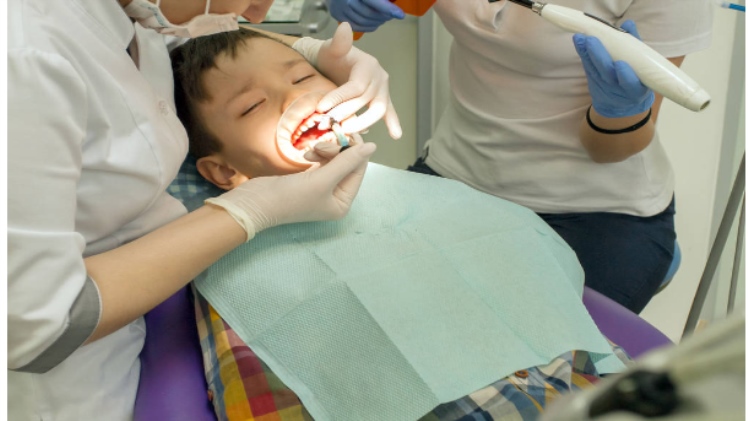
Before beginning treatment, the orthodontist will perform a thorough assessment of your child’s mouth. This will involve taking x-rays and photographs of the mouth to evaluate any existing problems as well as create an individualised plan for treatment. Depending on the severity of the condition, additional tests may also be performed such as an occlusal analysis or CT scan to provide an even more detailed picture of what is happening inside your child’s mouth. Once all necessary tests are completed, your orthodontist can discuss treatment options with you and decide which one is best suited for your particular situation.
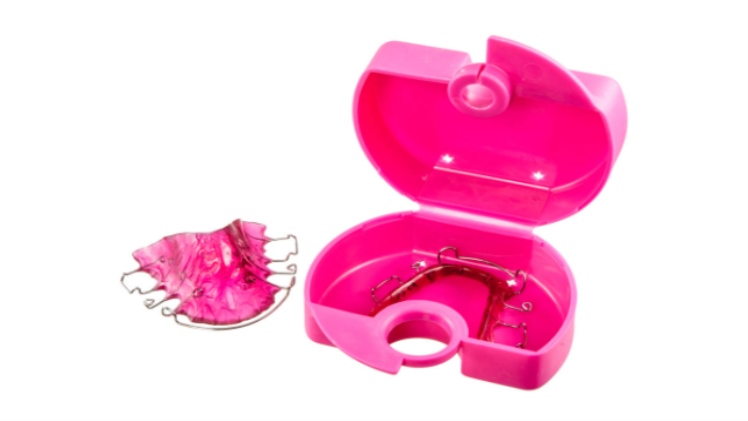
Once a course of action has been determined by both parties, it is important that parents understand what to expect during treatment with a paediatric orthodontist. Generally speaking, most treatments will involve wearing some type of corrective appliance such as braces or clear aligners.
Post-Treatment Care and Maintenance Tips for Kids With Braces
As a parent, it is essential to understand post-treatment care and maintenance tips for kids with braces. Braces can be a big adjustment for children, requiring frequent visits to the orthodontist and daily maintenance at home. It is important that parents work closely with orthodontists to ensure that their child’s treatment plan is followed correctly and consistently.
The first tip for post-treatment care for kids with braces is to follow the instructions of your orthodontist carefully. This includes going in for regular checkups as prescribed by your doctor, making sure that wires are adjusted when necessary, and wearing all recommended appliances correctly. Additionally, your child should brush their teeth at least twice daily using fluoride toothpaste specifically designed for use with braces. Flossing should be done once a day as well – this helps keep food particles from getting stuck in between brackets or wires which can lead to tooth decay over time if not removed regularly.
Another important tip related to post-treatment care and maintenance of kids’ braces is avoiding certain foods that may cause damage or breakage of the appliance. Foods such as hard candy, popcorn kernels, gumballs or taffy should be avoided since they can damage brackets or pull wires loose from teeth.
Conclusion
In conclusion, braces can be a great way to improve the look and health of a child’s teeth. Although the process of getting braces may be intimidating and uncomfortable at first, the long-term benefits are worth it. With proper care and regular checkups, kids who get braces can have straighter teeth for years to come.