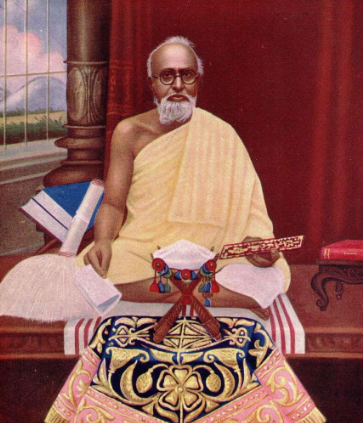
India’s “Statue of Peace” is a powerful tribute to the enduring legacy of Jainacharya Shree Vijay Vallabh Surishwer Ji Maharaj, a spiritual leader
India’s “Statue of Peace” stands as a powerful tribute to the enduring legacy of Jainacharya Shree Vijay Vallabh Surishwer Ji Maharaj, a spiritual leader whose life was dedicated to spreading peace, compassion, and the timeless teachings of Lord Mahavira. Nestled at the Vijay Vallabh Sadhana Kendra in Jetpura, Pali, Rajasthan, this remarkable statue is more than a monument; it is a living inspiration for generations to come and a beacon of hope in a world that often yearns for harmony.
Celebrating a Life of Service
The Statue of Peace was unveiled to mark the 151st birth anniversary of Shree Vijay Vallabh Surishwer Ji Maharaj, a revered Jain saint who lived from 1870 to 1954. His life was a shining example of selfless service and unwavering commitment to the well-being of others. He devoted himself to uplifting society, championing education, fighting social evils, and encouraging the values of non-violence and truth. His commitment went beyond spiritual guidance; he actively supported India’s freedom movement and the Swadeshi cause, believing that true peace is rooted in justice and self-reliance.
Shree Vijay Vallabh Surishwer Ji Maharaj’s influence extended far beyond the Jain community. He was a guiding light for people from all walks of life, inspiring them to live with integrity and compassion. What is truly inspiring is how his vision continues to shape lives today. Thanks to his tireless efforts, over 50 educational institutions including schools, colleges, and study centers now operate across several Indian states. Each one is a testament to his belief in the transformative power of knowledge and compassion. These institutions have empowered countless young minds, especially in rural areas, to dream bigger and contribute positively to society.
A Monument Crafted with Meaning
The Statue of Peace is a striking 151-inch-tall figure, crafted from Ashtadhatu, an ancient alloy of eight metals with copper as the primary component. Ashtadhatu is traditionally used in sacred Indian art, symbolizing strength, purity, and the harmonious blending of diverse elements. This choice of material is deeply symbolic, reflecting the unity and resilience that Shree Vijay Vallabh Surishwer Ji Maharaj championed throughout his life.
The statue’s design captures the essence of tranquility and dignity. The serene expression on his face and the gentle, meditative posture invites visitors to pause, reflect, and draw inspiration from the saint’s message of peace. The statue stands tall at the Vijay Vallabh Sadhana Kendra, radiating calm and dignity. It is not merely a work of art, but a spiritual presence that fills the space with a sense of calm and purpose.
The location of the statue in Jetpura, Pali, is also significant. Rajasthan is a land known for its rich cultural heritage and history of spiritual seekers. Placing the Statue of Peace here connects the message of non-violence and compassion to the heart of India, making it accessible to pilgrims and visitors from across the country and the world.
A Message for Today’s World
In today’s fast-paced and often divided world, the Statue of Peace offers a much-needed reminder of the values that can bring us together. The statue stands as a beacon, encouraging us to look beyond our differences and work towards a more just and compassionate society.
Shree Vijay Vallabh Surishwer Ji Maharaj’s life teaches us that peace is not passive; it is something we create through our choices, our words, and our actions. Whether it is supporting education, standing up against injustice, or simply treating others with respect, every act of goodness adds to the legacy of peace he left behind. He believed that true peace could only be achieved when there is harmony between individuals, communities, and nations.
The statue’s presence is especially meaningful in a world where conflicts and misunderstandings are all too common. It reminds us that the path of non-violence, or ahimsa, is not just an ancient ideal but a practical way forward for humanity.
A Place of Inspiration and Reflection
Visiting the Statue of Peace in Rajasthan is a moving experience. The peaceful surroundings of Jetpura, combined with the statue’s quiet grandeur, create a space for reflection and renewal. It is a place where people from all walks of life can come together, learn about the saint’s teachings, and find inspiration to carry those lessons into their daily lives.
The site has become a hub for spiritual gatherings, educational events, and community activities. Students, teachers, pilgrims, and tourists alike visit the statue to pay their respects and to learn about the values that guided Shree Vijay Vallabh Surishwer Ji Maharaj’s life.
The statue’s unveiling by the Prime Minister of India was a moment of national pride, shining a spotlight on the values that have shaped the country’s history and continue to guide its future. It is a powerful reminder that the pursuit of peace is a journey that requires courage, conviction, and a willingness to serve others.
Carrying the Legacy Forward
As someone passionate about the meaning behind monuments like the Statue of Peace, I believe its true power lies in the way it inspires us to act. It is a reminder that each of us can make a difference, no matter how small. By following the example set by Shree Vijay Vallabh Surishwer Ji Maharaj, by choosing compassion over conflict and service over self-interest, we can help create a more peaceful world for everyone.
The Statue of Peace in India is more than a tribute to a remarkable life; it is a living symbol of hope, unity, and the enduring strength of the human spirit. Whether you visit in person or simply learn about its story, let it inspire you to carry the torch of peace in your own life. In honouring the past, we shape a brighter, more harmonious future.
In a world that often feels divided, the Statue of Peace stands as a shining example of what can be achieved when we choose understanding, kindness, and unity. Let its message guide us all toward a life of greater purpose and compassion.