How Many Teaspoons in an Ounce? Understanding the conversion between teaspoons and fluid ounces is essential for both novice and experienced cooks. This knowledge is particularly valuable in the kitchen, where precise measurements can significantly impact the success of a recipe.
A teaspoon is a common unit of measurement in cooking, often used for smaller quantities of ingredients like spices, herbs, and liquids. Conversely, fluid ounces are typically used for larger volumes, making them a standard in recipes, especially in the United States.
The ability to convert between these two measurements ensures that you can accurately follow recipes and achieve the desired flavors and textures in your dishes. In this guide, we will explore the basic conversion between teaspoons and fluid ounces, delve into their definitions, and discuss their applications in cooking and baking. Additionally, we’ll examine the importance of accurate measurements and the various kitchen tools available for this purpose, including international measurement variations that may arise.
Basic Conversion
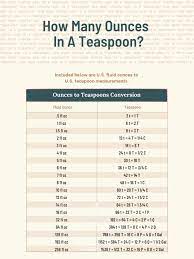
The basic conversion between teaspoons and fluid ounces is an essential concept in cooking and baking. One fluid ounce is equivalent to 6 teaspoons. This simple conversion allows cooks to easily adapt recipes and adjust ingredient quantities based on personal preferences or available measuring tools.
Understanding this relationship can also help when scaling recipes up or down, ensuring that flavors remain balanced and consistent regardless of portion size. For instance, if a recipe calls for 2 fluid ounces of a liquid ingredient, knowing that this equates to 12 teaspoons can aid in precise measurement.
Familiarity with this conversion is particularly beneficial when working with both American and metric recipes, where different units may be used. Ultimately, mastering the conversion between teaspoons and fluid ounces enhances your culinary skills, allowing for greater flexibility and accuracy in the kitchen.
Measurement Standards
Measurement standards play a crucial role in cooking, as they ensure consistency and accuracy across recipes. In the United States, the standard units of measurement include teaspoons, tablespoons, fluid ounces, and cups. These units are essential for achieving precise ingredient ratios, which directly impact the flavor, texture, and overall outcome of a dish.
For instance, the difference between a teaspoon and a tablespoon can alter a recipe significantly, especially in baking, where precision is key. Internationally, measurement standards can vary, with some countries using the metric system, which includes milliliters and liters.
Understanding these differences is important for cooks who may encounter recipes from various regions. By adhering to established measurement standards, cooks can ensure that their dishes turn out as intended, avoiding the pitfalls of inaccurate measurements. This adherence is particularly important in professional kitchens, where consistency is paramount for customer satisfaction and quality control.
Teaspoon Definition
A teaspoon is a small unit of measurement commonly used in cooking and baking, defined as approximately 5 milliliters in volume. It is often abbreviated as “tsp” and is a standard measurement for both dry and liquid ingredients.
The teaspoon is typically used for measuring smaller quantities, such as spices, flavorings, and baking powder. In the context of recipe instructions, a teaspoon can significantly influence the overall flavor profile of a dish, making it essential for cooks to measure accurately.
While teaspoons are widely recognized in the United States and some other countries, they can vary slightly in size in different regions, which can lead to inconsistencies in recipes. Understanding the definition and proper use of a teaspoon is fundamental for anyone looking to improve their cooking skills, ensuring that dishes are prepared with the correct balance of flavors and ingredients.
Fluid Ounce Definition

A fluid ounce is a unit of volume measurement commonly used in cooking and beverage preparation, primarily in the United States. It is defined as approximately 29.57 milliliters and is typically abbreviated as “fl oz.” Fluid ounces are essential for measuring larger quantities of liquids, such as water, milk, and broth.
In recipes, fluid ounces provide a convenient way to specify ingredient amounts, helping cooks achieve the desired consistency and flavor in their dishes. Like teaspoons, fluid ounces are a standard measurement in many culinary applications, but they can vary slightly in definition based on regional measuring systems.
In the U.S., fluid ounces are predominantly used in both home and professional kitchens, making it crucial for cooks to understand this measurement for accurate recipe execution. By mastering the definition and application of fluid ounces, cooks can ensure that they are measuring liquids correctly, leading to successful cooking outcomes.
Applications in Cooking
Understanding the applications of teaspoons and fluid ounces in cooking is vital for achieving successful results in the kitchen. Teaspoons are often used for measuring smaller amounts of ingredients, such as spices, extracts, or leavening agents, which can have a significant impact on the flavor and texture of a dish.
For example, when making a marinade or dressing, precise measurements of vinegar or oil can enhance the overall balance of flavors. Fluid ounces, on the other hand, are used for larger quantities, making them essential in recipes for soups, sauces, and beverages.
Knowing how to convert between these two measurements allows cooks to easily adapt recipes based on available measuring tools. Moreover, being familiar with these measurements can help when following recipes from different regions, where either teaspoons or fluid ounces may be favored. Ultimately, mastering the applications of teaspoons and fluid ounces in cooking enhances overall culinary skills and improves the cooking experience.
Importance in Baking
Accurate measurement is particularly important in baking, where ingredients must be combined in precise proportions to achieve the desired results. In baking, a teaspoon might measure baking powder or vanilla extract, while fluid ounces are often used for liquids like milk or water.
The difference between a teaspoon and a tablespoon can drastically alter the chemical reactions that occur during the baking process. For instance, too much baking powder can lead to a cake that rises excessively and then collapses.
Conversely, insufficient liquid can result in dry or crumbly baked goods. Therefore, understanding the importance of measurement in baking is essential for ensuring that recipes yield the intended texture and flavor. By mastering the use of teaspoons and fluid ounces, bakers can create consistent, delicious results every time. This precision not only enhances the baking experience but also builds confidence in one’s skills as a baker.
Kitchen Tools for Measurement
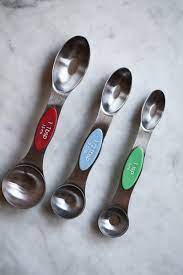
Having the right kitchen tools for measurement can greatly enhance the cooking and baking experience. Standard measuring spoons, typically used for teaspoons and tablespoons, provide accurate measurements for both dry and liquid ingredients.
It’s essential to use these tools correctly, as they are specifically designed to ensure consistency in recipes. Additionally, liquid measuring cups, often marked in fluid ounces, allow for easy measurement of larger quantities of liquids, making them crucial for soups, sauces, and beverages. Digital kitchen scales are also valuable for precise measurements, especially in baking, where weight can be more accurate than volume.
Investing in high-quality measuring tools not only improves accuracy but also saves time in the kitchen. By utilizing the appropriate kitchen tools for measuring teaspoons and fluid ounces, cooks can ensure that their dishes are prepared with the correct ingredient ratios, leading to successful outcomes in their culinary endeavors.
International Measurement Variations
International measurement variations can create challenges for cooks and bakers who encounter recipes from different regions. While the United States primarily uses teaspoons and fluid ounces, many countries adopt the metric system, using milliliters and liters instead.
For example, a teaspoon in the U.S. is approximately 5 milliliters, but this may differ slightly in other regions. Understanding these variations is crucial for accurate recipe execution, as a misunderstanding of measurement units can lead to unintended flavors and textures. Additionally, some countries may have different standards for what constitutes a “cup” or a “tablespoon,” further complicating conversions.
To navigate these differences, cooks can benefit from using conversion charts or online calculators. Being aware of international measurement variations enhances culinary skills and allows for greater flexibility when experimenting with international recipes. Ultimately, embracing these differences fosters a deeper understanding of global cuisine and cooking techniques.
Frequently Asked Questions About How Many Teaspoons in an Ounce
How many teaspoons are in an ounce?
There are 6 teaspoons in 1 fluid ounce. This conversion is crucial for accurate measurements in cooking and baking.
Why is this conversion important?
Understanding the conversion helps ensure recipes are followed accurately, maintaining the intended flavors and textures. It allows cooks to adapt recipes based on available measuring tools.
Can this conversion vary by region?
While the conversion is generally consistent, slight variations may exist in different countries’ measuring systems. Always refer to local standards if using international recipes.
How can I measure an ounce if I don’t have a measuring cup?
You can use teaspoons to measure out an ounce; simply measure out 6 teaspoons to equal 1 fluid ounce. This method provides an alternative for precise measuring.
Is there a difference between dry and liquid measurements?
Yes, the same volume measurement can yield different weights for dry and liquid ingredients. It’s important to use the correct measuring tools for each type.
Conclusion About How Many Teaspoons in an Ounce
In conclusion, understanding how many teaspoons are in an ounce is essential for both cooking and baking. With 6 teaspoons equating to 1 fluid ounce, this conversion allows cooks to accurately follow recipes and adapt measurements as needed. The importance of precise measurement cannot be overstated, especially in baking, where ingredient ratios directly affect the outcome.
Utilizing the correct kitchen tools, such as measuring spoons and liquid measuring cups, enhances accuracy and efficiency in the kitchen. Additionally, being aware of international measurement variations helps navigate global recipes seamlessly.
By mastering this conversion, cooks can improve their culinary skills and ensure that their dishes are consistently delicious. Embracing the relationships between different measurement units promotes a more enjoyable cooking experience and fosters confidence in one’s abilities in the kitchen. Ultimately, the knowledge of how many teaspoons are in an ounce serves as a foundational skill for culinary success.