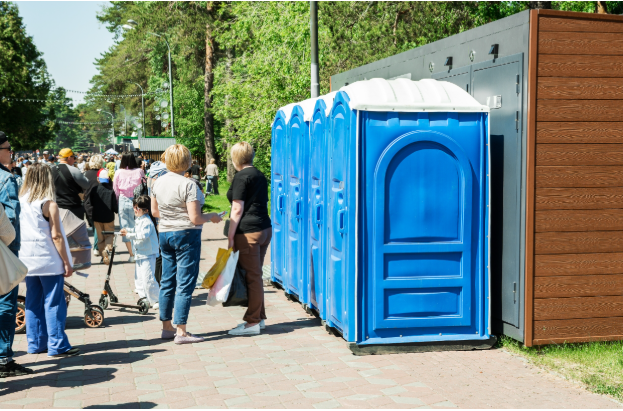
When organising an outdoor event, from a company picnic to a large-scale festival, portable toilet facilities often play the unsung role of either supporting the experience or undermining it. A poorly served portable toilet area creates queues, discomfort and bad perceptions. On the flip side, get the sanitation right and you boost guest comfort, compliance and ease of operations.
Here’s a practical guide to setting up sanitation the right way, with a special focus on reducing odour and choosing the right unit mix.
Why Restroom Planning Matters
Guest experience: Attendees expect smooth access to facilities. One guide suggests providing approximately one unit per 50 guests for events up to four hours.
Health and hygiene: Portable restroom facilities must meet local regulations, provide hand-washing/sanitiser options, and keep odours and bacteria in check.
Operational simplicity: Choosing the right number and kind of units, placing them correctly, and servicing them regularly prevents emergencies on the day.
Estimating Unit Numbers Based on Event Type
Basic Rule of Thumb
For a short-duration event (up to 4 hours) with mostly seated guests and minimal alcohol: plan for about 1 unit per 50 guests. Longer events, events with alcohol or food increase frequency of use, so you may need 1 per 40 or fewer.
Consider Guest Profile & Usage Patterns
- Alcohol or food service tends to increase restroom usage by 30-40%.
- Construction or worksite model differs: for example, one vendor advises one unit per 20 workers in many cases.
- Duration matters: If the event runs 8 + hours or is multi-day, you’ll need more units or more frequent servicing.
Placement Strategies That Reduce Problems
- Distance and visibility: Place units within easy walking access yet away from main viewing lines or food-serving areas to avoid traffic bottlenecking.
- Ventilation and wind direction: Locate units so prevailing winds carry any odours away from high-traffic areas.
- Shade and temperature control: Heat amplifies odours. One blog says shaded placement can reduce smell issues because high temperature speeds up decomposition and bacterial odour production.
- Accessibility and inclusivity: At least one accessible (ADA/AUS equivalent) unit should be included per every ~10 standard units.
Keeping Units Fresh and Odour-Controlled
Odour control is more than a cosmetic concern. Bad smells can signal compromised hygiene and drive guests away from facilities, undermining your event.
Choose the Right Chemicals & Treatments
Modern portable sanitation uses enzyme-based or microbial treatments rather than heavy-duty formaldehyde. One specialist chemical manufacturer explains its shift away from formaldehyde to safer enzymatic solutions. A marine-toileting study found antiseptic chemicals more effective in portable toilets (vs holding tanks) because the environment is more constrained and rapid odour suppression is required.
New Hire and Setup Protocol
- Pre-event deep clean and sanitise each unit (power wash, disinfect surfaces).
- Ensure the “blue” liquid (tank deodoriser) is used in holding tanks and is at proper levels. One blog recommends deep-blue cleaning liquids to mask and neutralise smells.
- Place dry-toss deodoriser wafers or air freshener blocks in each unit, especially for high-traffic or major events.
During the Event
- Schedule servicing: for long or high-use events, daily servicing (pump-out, re-stock) may be needed. Shorter events may get away with one setup and one end-of-day service.
- Monitor unit usage and swap or relocate units if queues build or odour complaints start.
- Provide hand-washing or sanitiser stations nearby: this enhances hygiene and reduces microbial build-up in units.
Link to Specialist Advice
For detailed advice specifically on how to stop a portable toilet from smelling (including the why behind odour formation and service schedules) refer to this expert post. The guidance there complements the planning here by giving you actionable on-site methods.
Unit Types and Client Expectations
Standard Units
Cost-effective, reliable for most uses. Basic design, chemical treatment tank.
Flushable or Upgraded Units
Foot-pump flushes, built-in hand-wash basin, better finishes. Ideal for weddings or finance-client events.
Accessible / Disability-Friendly Units
Wider doors, support rails, room for mobility access. Required for inclusive and compliant planning.
Luxury Trailers
Multi-stall, climate-controlled, sometimes with mirrors and premium finish used for VIP or corporate events.
Budgeting, Service Levels and Hidden Costs
- Rental cost varies by unit type, service frequency, duration, location and access.
- Delivery and pickup logistics add cost: gated sites, remote venues or restricted access raise fees.
- Additional amenities (hand-wash stations, lighting for night events, signage) should be budgeted.
- Unplanned servicing (mid-event issues) tends to have emergency fees; planning ahead avoids this.
- Environmental compliance: ensure that waste is disposed of correctly, and any chemicals meet local guidelines (some jurisdictions limit formaldehyde-based treatment because of health concerns).
Summary Insight
Prioritising proper restroom planning, right number of units, well-chosen types, strategic placement, service schedule and odour controls can elevate an event’s comfort level and smooth logistics significantly. Good sanitation gets noticed when done well, rarely criticised. Poor sanitation stands out in all the wrong ways.
By aligning the sanitation plan with guest profile, venue context and usage intensity, you reduce risks of bad feedback and contribute to a more seamless experience.