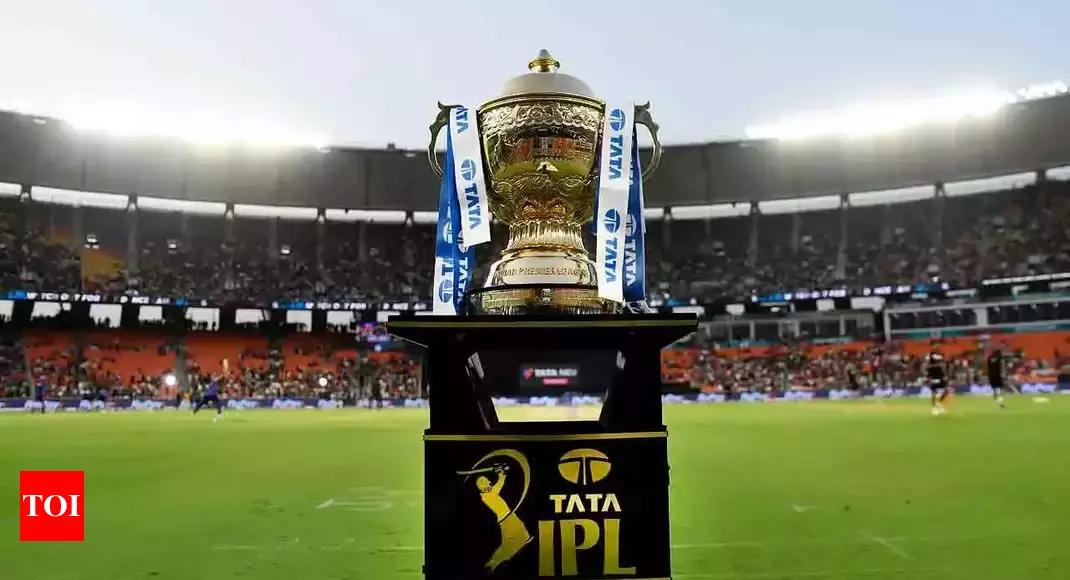
Cricket in India is not just a sport; it’s a religion. And at the heart of this cricketing fervor is the Indian Premier League (IPL), a T20 extravaganza that has captured the imagination of millions since its inception. The cricketing carnival, known for its high-octane matches, star-studded line-ups, and electrifying atmosphere, has become a global phenomenon. However, the success of the IPL is not confined to the cricket field alone; it extends into the realm of broadcasting, where a fierce battle is underway for the coveted IPL broadcast rights in 2024. Who will clinch the coveted Purple Cap in IPL 2024?
The Evolution of IPL Broadcast Rights
The IPL has come a long way since its debut season 2008 regarding cricketing standards and its broadcasting model. The inaugural season saw a partnership between Sony Pictures Networks India (SPNI) and World Sport Group, securing the broadcast rights for ten years. This deal marked the beginning of a new era in cricket broadcasting, with the IPL setting unprecedented benchmarks.
Over the years, the landscape of sports broadcasting underwent a significant transformation. The emergence of digital platforms and streaming services disrupted the traditional television-centric model. Recognizing the shift in consumer behavior, the Board of Control for Cricket in India (BCCI) auctioned the IPL broadcast rights separately for television and digital streaming. Blazing through boundaries, the fastest century in IPL history!
The Television Battle
Television rights have been the traditional stronghold for cricket broadcasting. The battle for television rights intensified as the IPL continued to grow in popularity. Major players in the Indian broadcasting industry, including Star India, Sony Pictures Networks India, and other regional players, have been vying for the rights to bring the cricketing spectacle to living rooms nationwide.
Star India, which successfully held the television rights for the IPL from 2018 to 2022, has been a dominant force in the bidding wars. The network, backed by the formidable Walt Disney Company, has leveraged its vast reach and marketing prowess to create an immersive viewing experience for fans. However, with the previous contract’s expiration, the stage is set for a fresh clash for television rights in IPL 2024.
Sony Pictures Networks India, the former rights holder, is keen to reclaim its stake in the IPL broadcasting pie. The network, with its established sports channels and experience in cricket broadcasting, is gearing up for a fierce battle against Star India. The outcome of this bidding war will not only determine the fate of the IPL on traditional television but will also shape the future narrative of cricket broadcasting in India.
The Digital Streaming Revolution
While television rights remain a lucrative battleground, the digital streaming landscape has emerged as the new frontier in the battle for IPL broadcasting supremacy. The rise of platforms like Disney+ Hotstar, Amazon Prime Video, and others has redefined how fans consume sports content. The shift from traditional TV to digital streaming has been driven by convenience, accessibility, and the personalized viewing experience these platforms offer.
Disney+ Hotstar, the digital arm of Star India, has been a frontrunner in the digital streaming domain, securing exclusive streaming rights for the IPL. The platform’s success in combining live matches with engaging commentary, interactive features, and a user-friendly interface has set a benchmark for other streaming services. Join the winning team – download the Indibet app now and take your cricket betting to new heights!
On the other hand, Amazon Prime Video, with its deep pockets and global reach, is eyeing a more substantial presence in the Indian sports broadcasting market. The tech giant has been actively pursuing streaming rights for various sports events worldwide, and the IPL is undoubtedly a prized asset in its portfolio. The battle for digital streaming rights is a clash between streaming platforms and a reflection of the broader competition between tech giants seeking dominance in the Indian entertainment industry.
The Changing Dynamics of Cricket Broadcasting
The convergence of television and digital streaming rights signifies a paradigm shift in the dynamics of cricket broadcasting. The traditional model of selling exclusive rights to a single broadcaster gives way to a more diversified approach, where television and digital platforms are crucial in reaching different audience segments.
The BCCI’s decision to auction rights separately for television and digital streaming is a strategic move to maximize revenue and cater to the diverse preferences of cricket fans. It allows the board to tap into the massive viewership of traditional television while also capitalizing on the growing trend of digital consumption, especially among the younger demographic.
This shift has broader implications for advertisers, sponsors, and cricket enthusiasts. Advertisers can now tailor their campaigns to suit the platform and audience, maximizing the impact of their promotions. Sponsors can engage with fans through multiple channels, creating a more immersive and widespread brand presence. For cricket enthusiasts, the diverse broadcasting options mean greater flexibility in choosing how, when, and where they want to experience the IPL.
The Economic Stakes
The battle for IPL broadcast rights is not just a contest of cricketing passion; it’s a high-stakes game with enormous economic implications. The broadcasting rights for the IPL represent a significant chunk of revenue for the BCCI, which, in turn, trickles down to benefit Indian cricket at various levels. The financial windfall from broadcast deals contributes to the development of infrastructure, grassroots programs, and the overall growth of the sport in the country.
The auction for IPL broadcast rights in 2024 is expected to shatter previous records, with industry experts predicting a fierce bidding war that could surpass the astronomical figures of previous deals. The economic stakes are particularly high for the broadcasters, as securing the rights to one of the country’s most-watched sporting events guarantees viewership and a prime platform for advertising and brand promotion.
The Global Perspective
The battle for IPL broadcast rights transcends national borders, drawing attention from global media conglomerates and streaming giants. The IPL’s popularity extends beyond India, with a massive fan following in worldwide cricket-loving nations. Broadcasters and streaming platforms view the IPL as a golden ticket to tap into the lucrative South Asian market and connect with a diverse, passionate audience.
The global interest in IPL broadcast rights is wider than traditional cricket broadcasters. Tech companies, streaming services, and media giants from different corners of the world are closely monitoring the bidding process. The auction’s outcome will shape the future of cricket broadcasting in India and have a ripple effect on the global sports media landscape.
Conclusion
The battle for broadcast rights takes center stage as the cricketing world awaits the IPL 2024 season. The clash between traditional television networks and digital streaming platforms is not just a competition for broadcasting supremacy; it reflects the evolving dynamics in sports media.
The BCCI’s decision to separate television and digital streaming rights signifies a strategic move to adapt to changing consumer behaviors and technological advancements. The outcome of this battle will not only determine how millions of fans experience the IPL but will also set the tone for the future of sports broadcasting in India and beyond.
During this high-stakes drama, one thing is certain – the IPL will continue to be a hotbed for competition, not only on the cricket field but also in the fiercely contested arena of broadcast rights. As the bids roll in and the numbers soar, the cricketing extravaganza is poised to write a new chapter in the history of sports broadcasting, shaping the way we consume and celebrate the game.