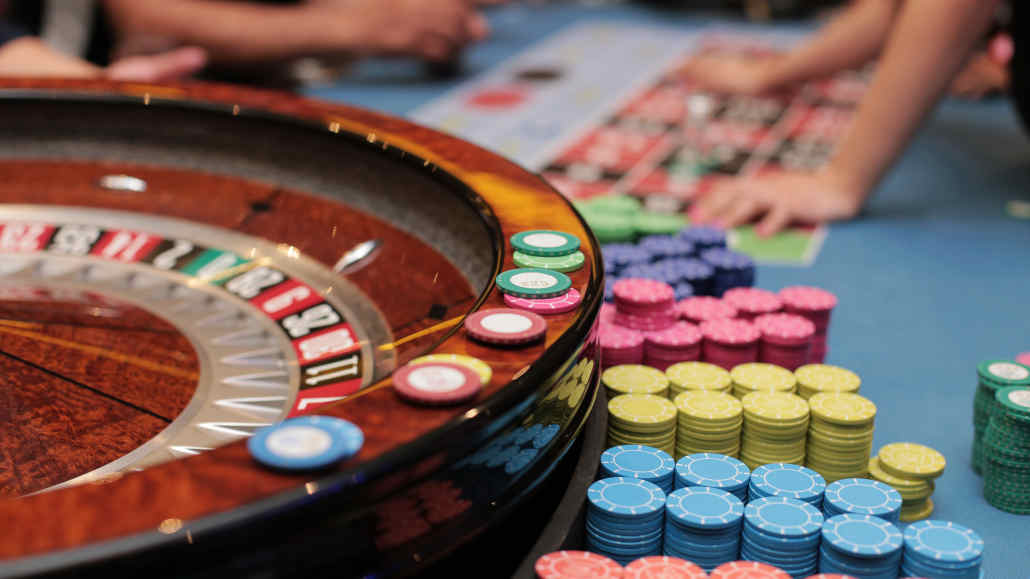
Exploring the world of roulette can be exciting, but it’s important to understand that this game is more about chance rather than skill. Regardless of your strategy or the dealer’s spins, the house always holds the advantage. Despite this, the allure of roulette has captivated gamblers for many centuries. To help newcomers at the roulette wheel, here are some invaluable tips from seasoned experts.
Choosing Your Wheel: European vs. American
Both in the physical and online casino, Roulette features two primary wheel types – the European and the American.
The American wheel comprises 38 slots housing numbers 0 and 00, along with numbers 1 through 36 alternating between red and black.
On the other hand, the European wheel consists of 37 slots and features only one zero. This seemingly minor difference has a major impact on players’ expected value per bet. Unfortunately, the American wheel is in greater numbers in most US casinos.
Placing your bets: The odds and expected value
Placing bets is relatively straightforward. Nearly every bet carries the same expected value of -$0.053 per dollar on an American table, and -$0.027 on a European table.
In practical terms, betting $1 on the American table translates to an expected return of $0.947.
While “outside bets” on red or black, as well as even or odd numbers, offer more frequent payouts, the sums are modest. On the other hand, “inside bets” on individual numbers yield higher payouts but are less likely to hit.
Steer clear of the five-spot
A significant roulette no-no is placing bets on the row containing numbers 0, 00, 1, 2, and 3, aptly known as the five-spot. This seemingly tempting bet, often associated with higher payouts, substantially reduces your expected return per dollar due to the increased number of possible outcomes. The odds drop from -$0.053 to -$0.079 on the American roulette wheel, showcasing the unfavorable nature of this wager.
Quit the notion of “wheel clocking”
In the past, when roulette wheels were mechanical, gamblers could exploit manufacturing flaws or imbalances to their advantage. However, modern roulette wheels are electronic and use advanced algorithms. It makes any attempts to manipulate them futile. The precision and strict quality control in manufacturing have minimized biases. It ensures a random outcome with each spin.
Don’t believe in the gambler’s fallacy
Renowned statistician William Briggs offers a stark reminder – every spin stands alone, independent of prior spins. The Gambler’s Fallacy, a cognitive bias, leads individuals to believe that past outcomes influence future results. Briggs emphasizes, “The probabilities are brand new, so you have to forget everything that’s happened before”. Remember, the roulette wheel has no memory of past spins. Each outcome is entirely independent, so making strategies based on past events is ineffective and error-based.
Master the art of quitting
Engaging in negative progressions, wherein losses prompt increasingly higher bets with the hope of recovering, is unwise. The same applies to positive progressions, where winnings trigger larger bets. Ultimately, the house’s edge ensures that playing long enough will lead to losses.
Expert Frank Scoblete shares an essential insight. He says that while the art of quitting may lead to substantial wins initially, the house will eventually limit your bets. This finally leads to substantial losses. Setting a budget and sticking to it is crucial. If you find yourself winning, even by a small margin, consider quitting.
To sum it up, roulette’s appeal lies in its thrill and chance. By understanding the key details of the game and following expert advice, newcomers can enhance their experience. You can sit at the roulette table with greater confidence and increase the chances of winning.