If you’re interested in donating bone marrow, you’ll want to learn more about the process and the types of donors that can exist. With this in mind, today we’re going to delve into the latter because not every donor is the same. Without further ado, let’s take a look!
Optimal Donors – Identical Tissue Matches
The first type of donor is the optimal donor, which is an individual with identical tissue matches to a recipient. This means that their blood, marrow, and even organs are a near-perfect match for the recipient; as if they were siblings from the same parent. In this instance, doctors prefer to use them over any other type of donor due to their compatibility and reliability.
Partially-Matched Donors
Partially matched donors are individuals who don’t have an exact match with a recipient, yet still possess compatible tissue types. In this instance, the donor is typically related to the recipient somehow. As such, doctors will take certain steps and measures to ensure that the transplant is successful, including testing for HLA markers – molecules in humans that help identify them as unique individuals – and the use of anti-rejection drugs.
Autologous Donors
Next, we find autologous donors, which are individuals who donate their own cells or tissue to themselves. This type of donation is typically more common in the medical field than bone marrow transplantation; however, it can still be used in certain circumstances. It’s also important to note that autologous donations carry a lower risk of rejection compared to other types of donations.
Alternative Donors
Lastly, alternative donors are individuals who have no connection to the recipient whatsoever. These donations will typically come from a public database like a donor registry or bone marrow bank; with recipients relying on these resources for finding compatible donors in cases where none of the above may apply. With the Gift of Life donor program and many others, people in need are connected with those willing and able to donate through a special registry.
Regardless of which type of donor you are, each individual plays an integral role in helping save lives. For more information on how to become a bone marrow donor, please refer to your local registry or contact a medical professional.
How Does Bone Marrow Donation Work?
When it comes to bone marrow donation, there are two main types of donations: peripheral blood stem cell (PBSC) donation and bone marrow donation.
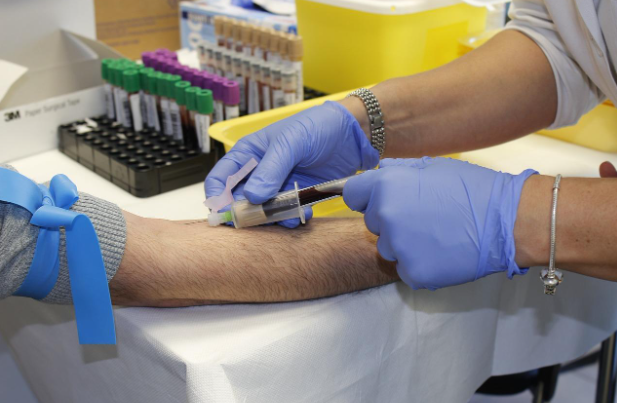
PBSC Donation – For the donor, this involves taking medication that increases the number of stem cells in the bloodstream. The donor then undergoes a process called apheresis, which allows doctors to collect the stem cells for transplantation.
Bone Marrow Donation – This type of donation involves using a needle to extract marrow from the back of the donor’s hip bone. There are two separate ways this can be done – general anesthesia or conscious sedation. The entire process typically takes four to six hours, with the majority of that time spent on recovering from anesthesia or sedation.
No matter which type of donation you choose to make, understand that this process can save lives. So, if you’re interested in donating bone marrow, don’t hesitate to reach out and find out more – you could be the difference between life and death for someone in need.