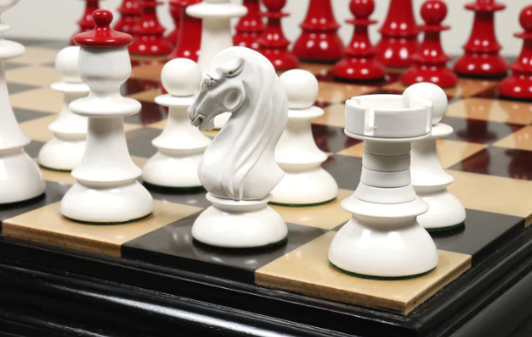
Chess, a game of intellect and strategy, has captivated minds for centuries. At the heart of this timeless game lies the chess board, the playing surface that sets the stage for battles of wits. Over the course of history, chess boards have undergone a fascinating evolution, transitioning from simple and functional designs to elaborate works of art.
In this article, we explore the evolution of chess boards, from classic wooden chess set to modern masterpieces, and delve into the significance they hold for chess enthusiasts. Discover the stories behind these iconic game boards and how they have evolved to reflect both cultural influences and the artistic expression of their time.
I. The Origins of Chess Boards:
Chess originated in ancient India during the Gupta Empire, and the earliest chess boards were simple in design. They consisted of checkered boards made from various materials such as stone, ivory, or wood. These early boards were typically flat surfaces with evenly spaced squares to facilitate gameplay. As chess spread throughout the world, different regions began to develop their own unique styles of chess boards, incorporating cultural and artistic elements into their designs.
II. The Influence of Islamic Art:
During the Islamic Golden Age, chess boards took on a new dimension of beauty and intricacy. Islamic artisans infused their designs with geometric patterns, intricate calligraphy, and ornate embellishments. These boards, often made of wood, featured exquisite inlays and geometric motifs that mesmerized players and onlookers alike. The Islamic influence on chess boards can still be seen today, particularly in the intricate craftsmanship of Persian and Middle Eastern chess sets.
III. Renaissance Opulence:
The Renaissance period witnessed a flourishing of arts and culture, and chess boards were no exception. Nobility and wealthy patrons commissioned elaborate chess sets made from precious materials such as ivory, ebony, and gold. These opulent boards featured intricate carvings, gilding, and lavish detailing, reflecting the wealth and status of their owners. The Renaissance chess boards were not only functional game boards but also exquisite works of art that adorned the halls of grand palaces and aristocratic households.
IV. The Rise of Staunton Design:
In the 19th century, a significant development took place in the world of chess boards with the introduction of the Staunton design. Named after Howard Staunton, a prominent chess player of the time, this design standardized the size and shape of chess pieces, as well as the layout and proportions of the squares on the board. The Staunton design revolutionized chess, making it easier for players to compete in tournaments and ensuring consistency across different sets. Today, the majority of tournament chess sets adhere to the Staunton design, emphasizing functionality and practicality over ornate aesthetics.
V. Modern Innovations and Artistic Expressions:
In recent years, chess boards have witnessed a renaissance of artistic expression and innovation. Modern artisans and designers have pushed the boundaries of traditional chess board designs, exploring new materials, shapes, and themes. Wooden chess boards, in particular, have seen a resurgence in popularity due to their timeless appeal and natural beauty. Contemporary wooden chess boards often feature unique designs, such as asymmetrical shapes, unusual wood combinations, and artistic engravings. These boards blend traditional craftsmanship with modern sensibilities, creating visually stunning pieces that challenge conventional notions of chess board design.
VI. Customization and Personalization:
One of the remarkable aspects of modern chess boards is the opportunity for customization and personalization. Chess enthusiasts can now commission bespoke chess boards tailored to their preferences, allowing them to choose the materials, colors, and design elements that resonate with their style and personality. This level of customization not only enhances the playing experience but also adds a personal touch and sentimental value to the chess set.
VII. Collectible Chess Boards:
Chess boards, especially those crafted with exceptional skill and artistry, have become highly sought-after collectibles. Rare and limited-edition chess boards, often created by renowned artists and master craftsmen, can command significant value in the collectors’ market. These boards are not only cherished for their beauty and craftsmanship but also serve as tangible pieces of history and art.
Conclusion
From humble beginnings to exquisite works of art, the evolution of chess boards reflects the rich history and artistic expression of the game. Whether it’s the classic beauty of wooden chess sets, the opulence of Renaissance designs, or the contemporary innovations in chess board craftsmanship, each era has left its mark on the world of chess. Chess boards have become more than just playing surfaces; they are tangible expressions of culture, creativity, and human ingenuity. As chess enthusiasts, we have the privilege of immersing ourselves in this evolution and embracing the beauty and artistry that surround the chess board. So, whether you prefer a traditional wooden chess set or a modern masterpiece, the chess board remains the iconic centerpiece that brings the game to life and elevates the experience of every move we make.