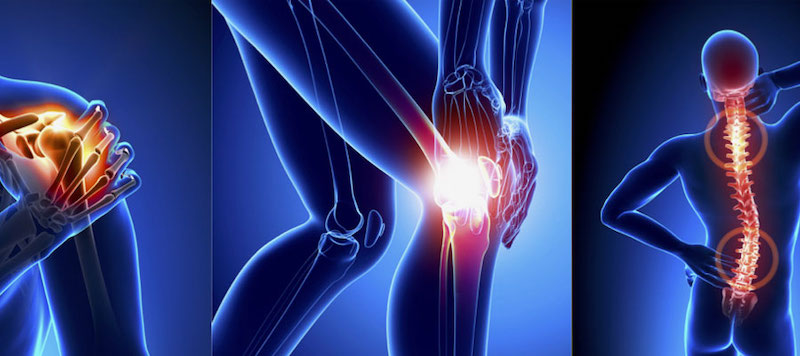
Bones are continually dissolving and reforming throughout a person’s life through two types of bone cells: osteoblasts (bone builders) and osteoclasts (bone dissolvers). The best way to keep the bones healthy is to fill the plate with nutrient-rich foods and bone and joint health ingredients. A healthy diet full of a wide range of fruits and vegetables, lean proteins, and whole grains is a great place to start.
Calcium is one of the most important bone and joint health ingredients. It is the mineral that makes bones strong and hard. It is also needed for many other things, such as helping blood vessels contract (narrow) and expand, making muscles contract, sending messages through the nervous system, and helping glands secrete hormones. More than 99% of the body’s calcium is stored in bones as a mineral called hydroxyapatite. The remaining 1% of the calcium in the body is in blood, muscle, and other tissues.
Vitamin D plays a major role as Bone and Joint Health Ingredients in the absorption of calcium, which is necessary for normal bone growth and health. Without enough vitamin D, calcium is not absorbed and calcium is not deposited into the bones, which can lead to osteoporosis or rickets (bone weakness). Vitamin D also plays a critical role in regulating immune function and protecting against autoimmunity. Several prospective cohort studies suggest that adequate vitamin D status at different ages can decrease the risk of autoimmune diseases.
Vitamin C a bone and joint health ingredient is an antioxidant that helps protect our bodies from the effects of free radicals. It also helps to make collagen, a protein that forms the foundation of bone. The most common form of vitamin C is ascorbic acid, which is found in citrus fruits and vegetables such as green peppers, tomatoes, broccoli, and leafy greens. Aside from being an important bone health ingredient, vitamin C can help people with high blood pressure. It may reduce systolic blood pressure (the top number in a blood pressure reading) by a small amount.
Protein as bone and joint health ingredients is a large, complex molecule that plays many critical roles in the body. It helps provide structure and support to cells and organs. It also acts as a carrier of calcium. A high-protein diet with adequate calcium intake has been shown to prevent bone loss in older adults. Dietary protein sources include fish, poultry, beans, lentils, nuts, and seeds. Milk products are another good source of protein, with the added benefit of being a good source of calcium.
Magnesium as bone and joint health ingredient is a vital mineral that plays a critical role in regulating calcium levels within the body. It also bolsters bone health by helping the thyroid and parathyroid glands produce the hormone calcitonin, which stimulates calcium absorption and reduces bone loss in people with osteoporosis.
A healthy magnesium intake is essential for preventing and reversing Osteoporosis, especially in women during the early postmenopausal period. Traditional advice to take in 1500 mg of calcium a day with no regard to the need for adequate magnesium is outdated, and can actually accelerate bone loss and muscle deposition while simultaneously increasing calcium deposit in soft tissues such as blood vessels, which can lead to calcification of the heart and other arteries. Parsley as bone and joint health ingredient is a great source of vitamin K, which is essential for bone health. It works alongside calcium, vitamin D, phosphorus, and magnesium to promote bone density.