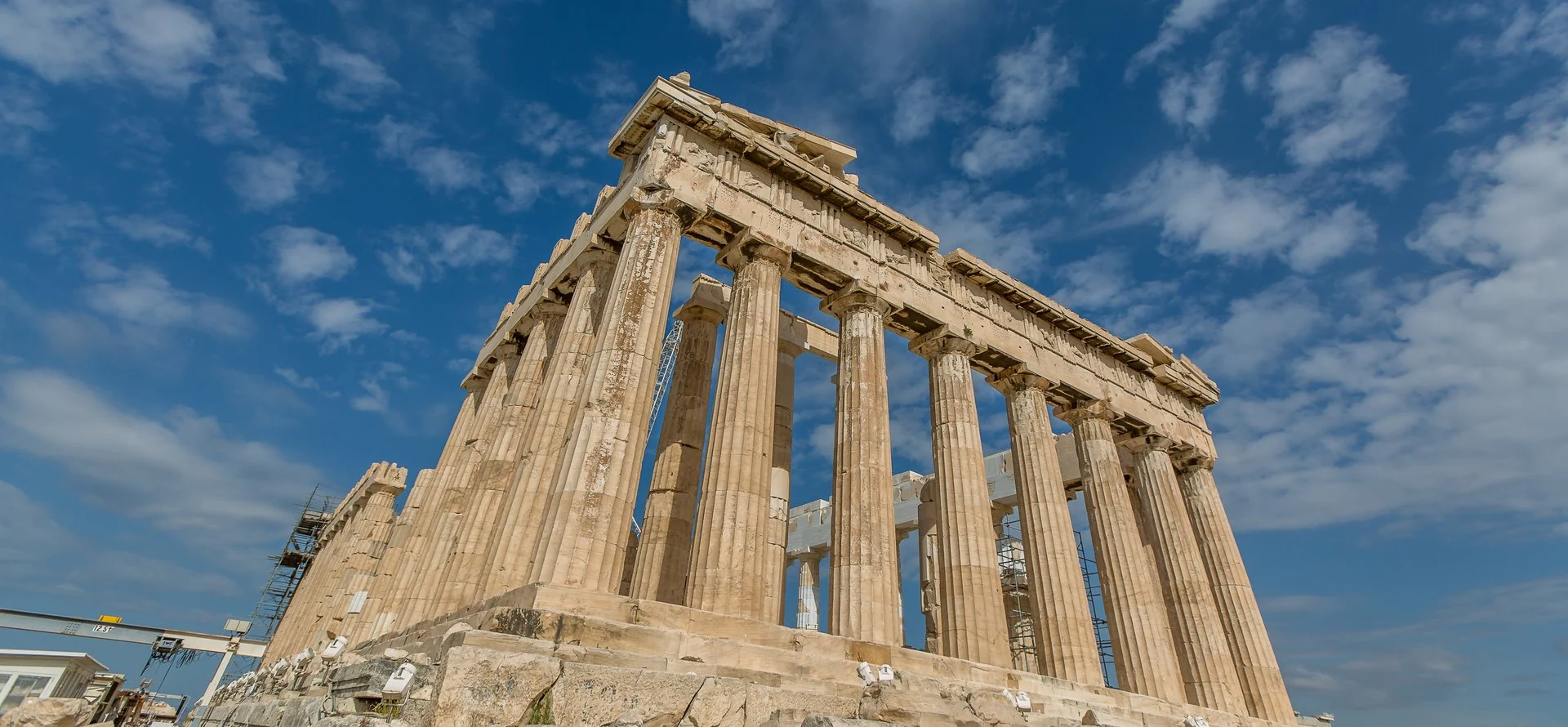
Europe is home to some of the world’s most historic and iconic buildings, spanning multiple architectural styles and time periods. Many of these historic buildings have been preserved and restored over the centuries, and continue to draw visitors from around the world. They stand as a testament to Europe’s enduring cultural legacy and the timeless beauty of human creativity.
Colosseum Rome: A Symbol of Rome’s Rich History
The Colosseum, also known as the Flavian Amphitheatre, is a world-famous landmark located in Rome, Italy. Built in the first century AD, it is the largest amphitheater ever built and is considered to be one of the greatest architectural achievements of the ancient world. It has become a symbol of Rome and attracts millions of visitors every year.
Construction of the Colosseum began in 70 AD under the emperor Vespasian and was completed in 80 AD under his son Titus. The Colosseum was built on the site of an artificial lake that had been created by Emperor Nero. The lake had been drained and the site was cleared to make way for the new amphitheater.
The Colosseum Rome was built of concrete and stone and could hold up to 80,000 spectators. The amphitheater was used for gladiatorial contests and other public spectacles such as animal hunts, mock sea battles, and public executions. The games were free to attend and were used by the emperors to gain the support of the people. The Colosseum was also used for religious festivals and ceremonies.
The Colosseum was designed to be an impressive sight, and it certainly achieved that goal. The exterior of the Colosseum was covered in travertine, a type of limestone, and decorated with statues and reliefs. The interior of the Colosseum was even more impressive, with a complex system of corridors and tunnels that allowed for easy access to the different parts of the amphitheater.
The gladiatorial contests were the most popular events held at the Colosseum. The gladiators were usually slaves or prisoners of war, and they were trained to fight to the death in front of a cheering crowd. The gladiators fought with a variety of weapons, including swords, spears, and nets. Some gladiators even fought wild animals such as lions and bears.
Animal hunts, known as venations, were also popular events at the Colosseum. The animals were imported from all over the Roman Empire and were often exotic creatures such as elephants and rhinoceroses. The animals were hunted by trained professionals or condemned prisoners.
Public executions were another popular event at the Colosseum. The most common form of execution was crucifixion, but other methods such as beheading and burning were also used. The executions were often used to punish political dissidents and rebels.
The Colosseum fell into disuse after the fall of the Roman Empire and was used as a quarry for building materials. The exterior was stripped of its marble and many of the interior corridors and tunnels were destroyed. The Colosseum was also damaged by earthquakes and fires over the centuries.
In the Middle Ages, the Colosseum was used as a fortress and a church. In the 16th and 17th centuries, it was used for public spectacles such as bullfights and plays. It wasn’t until the 18th century that the Colosseum was recognized as a valuable cultural and historical monument.
Today, the Colosseum is one of the most popular tourist attractions in Rome. It is open to the public and visitors can explore the interior of the amphitheater and learn about its history. The Colosseum is also used as a venue for cultural events such as concerts and exhibitions.
Hagia Sophia: A Marvel of Byzantine Architecture
Hagia Sophia, also known as Ayasofya, is a historic and iconic monument located in Istanbul, Turkey. Originally built as a church, it later served as a mosque and now functions as a museum. It is considered to be one of the greatest architectural achievements of the Byzantine Empire and has been recognized as a UNESCO World Heritage Site.
The construction of Hagia Sophia began in 532 AD under the orders of Emperor Justinian I. The church was designed by two prominent architects, Anthemius of Tralles and Isidorus of Miletus. The building was completed in just five years and was consecrated in 537 AD.
Hagia Sophia is renowned for its innovative architecture, which blends elements of Byzantine and Roman styles. The structure features a massive dome that is 102 feet in diameter and rises 184 feet above the ground. The dome is supported by four pendentives, which are triangular sections of the building that enable the transition from a square base to a circular dome.
The interior of Hagia Sophia is equally impressive. The walls and ceilings are covered in intricate mosaics and frescoes, which were added over the centuries. The mosaics depict religious scenes, including portraits of Jesus, the Virgin Mary, and various saints. The frescoes, which were added during the Ottoman period, feature Islamic calligraphy and designs.
Throughout its history, Hagia Sophia has undergone numerous changes in its use and ownership. It served as the main church of the Eastern Orthodox Church for over 900 years, until it was converted into a mosque by the Ottoman Empire in 1453. The Ottomans added several minarets to the exterior of the building and covered many of the Christian mosaics and frescoes with plaster. The building remained a mosque for over 500 years, until it was secularized by the Turkish government in 1935 and turned into a museum.
Hagia Sophia is a remarkable monument that has played an important role in the religious and cultural history of Istanbul and the wider world. Its innovative architecture, intricate mosaics, and frescoes continue to inspire awe and admiration from visitors and scholars alike. The building remains a symbol of the enduring legacy of the Byzantine Empire and the cultural heritage of Turkey.