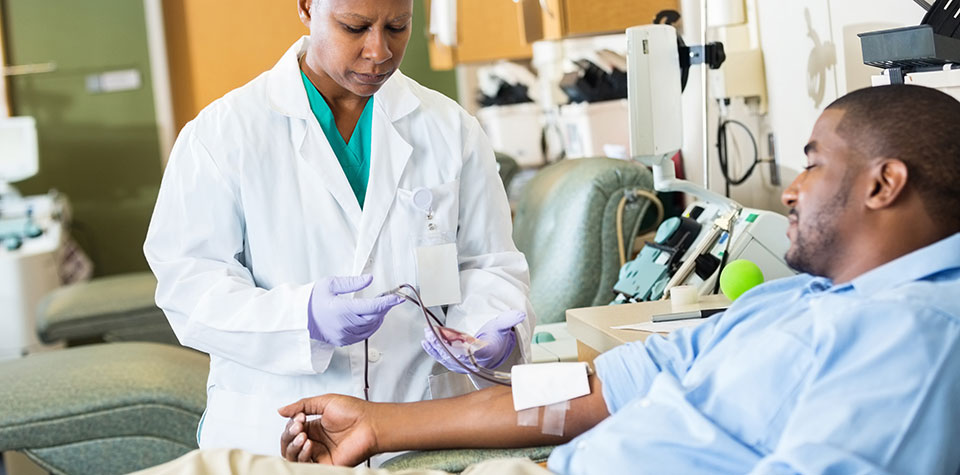
Are you looking for a career in the medical field? If so, you may want to consider becoming a phlebotomist. Phlebotomists are medical professionals who specialize in drawing blood from patients for testing and other medical procedures. They are an important part of the healthcare system and are in high demand in many areas. In this article, we will explore the qualifications needed to become a phlebotomist, where to find jobs, benefits of the job, and what to expect during a typical work day.
What is a Phlebotomist?
A phlebotomist is a medical professional who specializes in drawing blood from patients. They are responsible for taking samples of blood and other bodily fluids for testing and other medical procedures. They must also ensure that the samples are properly labeled and stored. In some cases, phlebotomists may also be responsible for other tasks such as taking patient histories, preparing samples for testing, and providing patient information.
Qualifications Needed
In order to become a phlebotomist, you must meet certain qualifications. Most employers require applicants to have a high school diploma or equivalent, although some may require a college degree or certification. You must also be able to demonstrate proficiency in drawing blood and other medical procedures. You may also need to pass a background check and drug test.
Where to Find Phlebotomist Jobs
Phlebotomist jobs are available in many different settings, such as hospitals, clinics, and laboratories. You can also find jobs in doctor’s offices, nursing homes, and other health care facilities. You can find phlebotomist jobs by searching online job boards, attending job fairs, and checking with local hospitals and clinics.
Benefits of Being a Phlebotomist
Being a phlebotomist can be a rewarding and fulfilling career. You will have the opportunity to help people in need and make a difference in their lives. You will also gain valuable medical skills and experience that can help you advance in the field. Additionally, phlebotomists often enjoy competitive salaries and benefits.
What to Expect During a Typical Work Day
A typical work day for a phlebotomist can vary depending on the type of job and work setting. Generally, you will be responsible for taking patient’s blood samples, labeling and storing samples, and providing patient information. You may also be responsible for other tasks such as taking patient histories and preparing samples for testing.