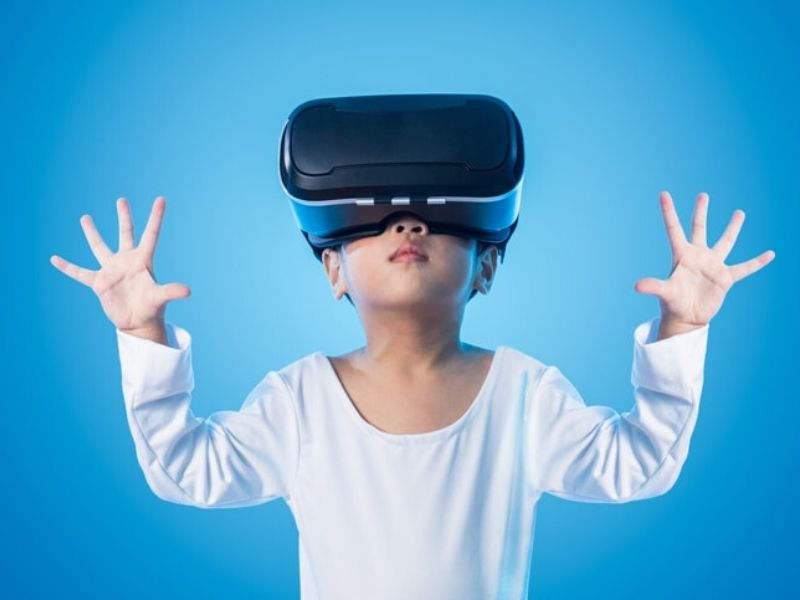
Virtual Reality (VR) gaming is gaining popularity steadily, and technology advancements are making it easier to enjoy immersive, 3D experiences. HTML5 is one of the most powerful tools for VR developers looking to take their gaming experience to the next level. By harnessing the power of HTML5, game developers can create rich, interactive environments that will revolutionize the way people play video games.
This article will explore how HTML5 can help enhance virtual reality gaming and provide a glimpse into its potential future.
So, let’s get started.
An Overview of HTML5 Games
HTML5 games are becoming increasingly popular because they can be played on most modern web browsers without additional software or plugins. HTML5 is a markup language which has enabled developers to create interactive, browser-based games with audio and visual effects that rival those in more traditional gaming platforms.
HTML5 games offer many benefits over other gaming formats. They’re incredibly easy to load and play—all you need is a web browser & an internet connection. Html5 game development company can help design the perfect gaming experience with the help of skilled developers that are familiar with HTML5.
Benefits of HTML5 for VR Gaming
HTML5 is quickly becoming an invaluable tool for VR game developers. As a platform, HTML5 enables developers to create high-performance virtual reality games with unprecedented detail and realism. Here are some of the key benefits that HTML5 offers to VR game development:
- Cross-platform support – HTML5 allows developers to write code that can be deployed across multiple platforms, allowing for cross-platform compatibility and eliminating the need for platform-specific code revisions. This makes it much easier for developers to bring their games to multiple platforms without having to rewrite them from scratch each time.
- Improved graphics and performance – HTML5 has been designed with advanced hardware acceleration in mind, which helps give VR games a more immersive experience. The language also contains features such as WebGL and WebVR, allowing developers to create games that look and feel more realistic than ever before.
- Higher-quality audio – HTML5 allows developers to create high-quality 3D soundscapes for their games, giving players a richer, more immersive experience when playing in virtual reality. You can also create your virtual games with a VR game development company.
- Easier development – HTML5 is designed with ease of use in mind, making it much simpler for developers to create complex VR games without having to worry about complicated coding languages. This makes it easier for new developers to enter the VR market and create great content for players quickly and easily.
Challenges of Developing HTML5-Based VR Games
Developing virtual reality (VR) games using HTML5 is a challenging task. There are a various challenges that can make the process difficult, including:
- Browser compatibility issues: Different browsers have different capabilities when it comes to HTML5, making it difficult to guarantee that your game will run as expected in all browsers.
- Limited hardware support: HTML5 does not have native support for some hardware components, such as motion controllers, so you may need to use third-party libraries or create custom solutions to access them.
- Poor performance on lower end devices: Even with advancements in browser technology, poorly optimized code can lead to laggy and unresponsive experiences on lower end devices. Taking the time to optimize your code and ensure a smooth experience is essential.
- Limited graphical capabilities: HTML5 does not have the same level of graphical capabilities as other game engines, so you may need to use additional libraries or find creative solutions to achieve the desired visuals.
- Lack of dedicated support: HTML5 lacks dedicated support from major game engine providers, meaning limited resources are available to help developers tackle issues quickly. This can make development more challenging, especially for those new to coding in HTML5.
By understanding these challenges and taking steps to address them proactively, developers can create fantastic VR experiences using HTML5.
Making the Most out of HTML5-Based VR Gaming
HTML5-based virtual reality gaming has opened up a world of new possibilities for gamers. With VR, players can experience immersive and interactive 3D worlds without needing an expensive headset or complex setup. HTML5 development allows developers to create games accessible on almost any device with an internet connection, making them easy to access and play anywhere.
As more people become interested in trying out HTML5-based VR gaming, learning how to make the most of this exciting technology is important. Here are some tips for getting the most out of your virtual reality gaming experience:
1) Use motion controllers – They allow a more intuitive gaming experience as they imitate real-world movements and actions. This allows players to move around the virtual world, pick up objects and interact with the game more naturally.
2) Take advantage of head tracking – VR headsets come equipped with head tracking technology, enabling gamers to look around their 3D environment as though they were inside it. Immersive gaming experiences can be created by using this feature, allowing for a more realistic and engaging experience.
3) Try out different genres – HTML5-based VR games cover a wide range of genres, from action to puzzle games. Experimenting with new and different types of games can help introduce you to new ways of playing and could even reveal your hidden gaming talents!
The Bottom Line
HTML5 is an important tool for virtual reality gaming that can help take the experience to the next level. With its powerful features, developers can create more immersive and engaging games with improved visuals and performance. The potential of HTML5 in virtual reality gaming is only just beginning, and it’s sure to revolutionize the industry as we know it.
As technology advances, gamers everywhere will reap the benefits of a more exhilarating and interactive game experience.