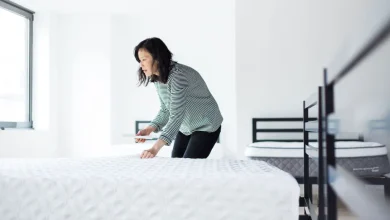
Rental showings are a prime opportunity to spread the word about your properties and find potential renters.
Individual showings are your chance to schedule a one-on-one tour with potential renters who are interested in living in your property. A great showing can quickly funnel renters down your applicant pipeline, from application to tenant screening to eventually signing a lease.
But how can you create the optimal showing experience?
If done right, showings can do more than encourage renters to submit an application. They can also help you establish relationships with renters and even collect pre-screening information from them.
Here are six tips for creating the perfect rental showings.
#1 Schedule in Advance
For individual tours, the first step is to schedule a time in advance to meet at the property or your leasing office.
Scheduling should be coordinated with the interested renter so that you can find a time that works for both parties. You’ll need enough time to both tour the unit and answer any questions they may have.
Keep in mind that if the unit you’re showing is currently occupied, you’ll also need to give the current tenant advanced notice that you’ll be entering. Per the law in many states, you must usually give at least 24 hours’ notice before entering for any reason.
#2 Make a Good First Impression
As a tour guide, you are part of the renter’s first impression of the property. You should dress accordingly to look your best for the occasion. You don’t need to necessarily dress up, but a confident self-presentation goes a long way toward instilling trust that you’re the expert on this property.
Professionalism is also important. Always arrive on time (preferably early!) and greet the renter with a smile.
When it comes to the property itself, you should also prepare in advance for a good impression. If the unit you’re showing is currently occupied, there’s only so much you can do—you can politely request that the current tenant tidy up, which they’ll likely want to do anyway if visitors are entering.
If your unit is empty, you can prepare for visitors in advance yourself. Cleaning rental properties and staging rental properties are the two most important steps for making your units look inviting and appealing.
#3 Personalize the Tour
Renters who schedule an individual tour with you are looking for a personalized experience. They often have specific things in mind they want to see, and they also want answers to specific questions.
Provide a personalized experience by being an expert on your property and allowing renters to choose which rooms to spend the most time in. Little things also matter—you can personalize the tour by using the renter’s first name and asking friendly questions about them.
#4 Give Renters Freedom
While you should be a knowledgeable resource on your property, avoid being overbearing while showing prospective renters around.
While you should certainly walk the renter(s) through the property and tour all the important rooms, it’s also important to give the renter some freedom. Don’t let renters stray too far off course, but give them an opportunity to explore the space on their own.
#5 Ask Questions
When appropriate, asking questions can be a subtle way to pre-screen renters according to your criteria.
You should never ask questions about income, credit history, or other sensitive information during a showing. Save those questions for the rental application. You can, however, ask friendly questions about the renter to find out if they’d be a good fit—for example, who the renter plans to live with, whether they own any pets, or what they do for a living.
The key is to gather as much useful information about the renter as you can without overstepping or interrogating them.
#6 Provide a Flyer or Brochure
Finally, be sure the renter leaves with a flyer or brochure about the property they toured. A brochure helps renters remember what your property was like, especially if they visited multiple properties in a short period of time and are likely to get them mixed up.
Brochures should include the unit’s basic information (dimensions, bedrooms, address, etc.) as well as a few high-quality photos showing off the property’s rental appeal. Be sure to include your contact information, website, and a link to submit a rental application.
Conclusion
Showings are a powerful component of your applicant pipeline. They help you attract quality applicants, get an idea of who’s interested in your properties, and encourage renters to apply. By following these six simple steps, you can create the perfect rental property showing.