The choice between live plants and artificial plants can have various environmental implications. When considering the environmental impact of these options, it’s essential to examine factors such as resource consumption, carbon footprint, and overall sustainability. Here’s a comparison of the environmental impact of live plants and artificial plants:
Live Plants:
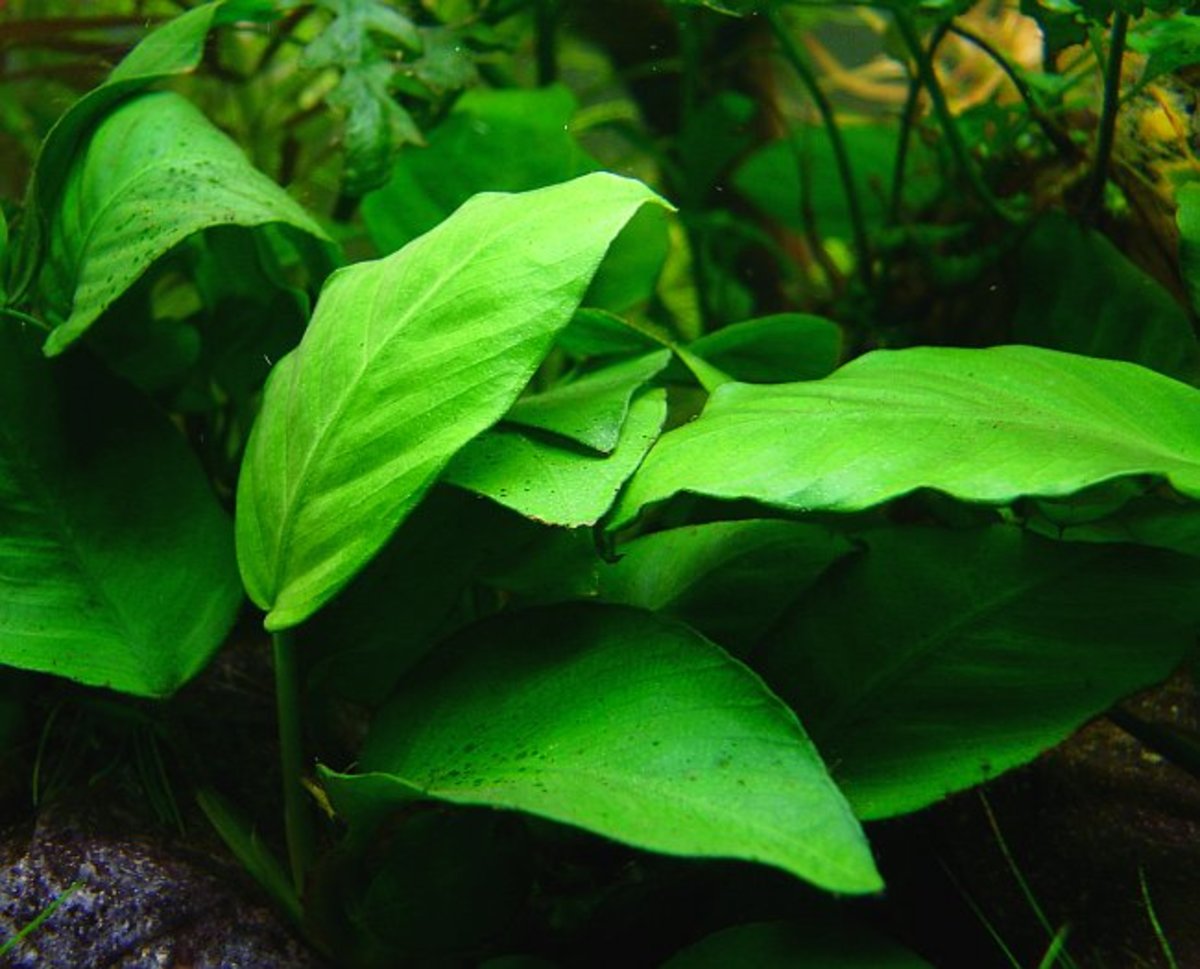
Positive Carbon Sequestration: Live plants are well-known for their ability to absorb carbon dioxide (CO2) from the atmosphere during photosynthesis. This carbon sequestration helps mitigate climate change by reducing the concentration of greenhouse gases.
Biodiversity Support: Live plants in gardens and landscapes can provide habitat and food for local wildlife, contributing to biodiversity. They attract pollinators and other beneficial insects, which are essential for a healthy ecosystem.
Air Quality Improvement: Live plants can improve indoor and outdoor air quality by filtering out pollutants and releasing oxygen. They are particularly beneficial in urban areas with high pollution levels.
Sustainable Practices: Sustainable gardening practices, such as using organic fertilizers, avoiding pesticides, and conserving water, can minimize the environmental impact of live plant cultivation.
Resource Consumption: While live plants require water and maintenance, their resource consumption can vary widely depending on the species and local conditions. Overwatering and excessive pesticide use can be detrimental to the environment.
Pesticide and Fertilizer Use: The use of synthetic pesticides and fertilizers in conventional agriculture can have negative environmental impacts, such as soil and water pollution.
Artificial Plants:
Resource Efficiency: Artificial plants are typically made from synthetic materials such as plastics, fabric, or silk. The production of artificial plants generally consumes fewer natural resources compared to the cultivation of live plants.
Water and Maintenance Savings: Artificial plants require no water, fertilizers, or pesticides, reducing the demand for these resources and minimizing potential environmental impacts associated with their use.
Longevity: High-quality artificial plants can last for several years, reducing the need for replacements and minimizing waste.
Allergen-Free: Artificial plants do not release pollen or allergens into the air, making them a suitable option for individuals with allergies.
Habitat Preservation: The production of artificial plants does not result in habitat destruction, as is sometimes the case with the expansion of agricultural land for live plant cultivation.
Recyclability: Some artificial plant materials can be recycled at the end of their useful life, reducing the environmental impact associated with disposal.
However, it’s essential to note that the environmental benefits of artificial plants come with certain drawbacks:
Non-Biodegradable: Many artificial plant materials, particularly plastics, are not biodegradable and can contribute to long-term waste and pollution when discarded.
Production and Transportation: The production of artificial plants involves energy consumption, and the transportation of these products to consumers can result in carbon emissions.
Limited Aesthetic and Ecological Value: Artificial plants lack the ecological and aesthetic benefits of live plants. They do not contribute to carbon sequestration, biodiversity, or air quality in the same way live plants do.
In summary, the choice between live plants or artificial plants should be made with consideration of the specific environmental priorities and goals of the individual or organization. Live plants offer ecological benefits but also require resources and maintenance. Artificial plants can be more resource-efficient and require minimal care but have their own environmental concerns, such as non-biodegradability. Balancing the use of live and artificial plants, as well as considering sustainable gardening and landscaping practices, can help mitigate the environmental impact of both options.