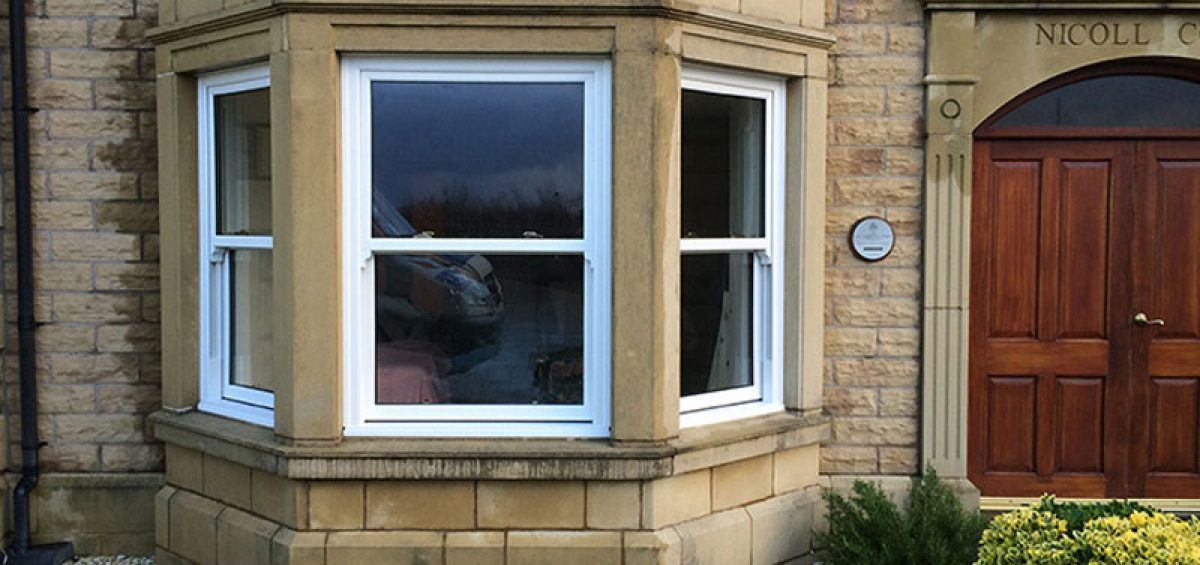
You start noticing them once you’ve lived in an older house for a bit. That sound when it sticks halfway open. A draft that always seems to sneak in from the same corner. Glass that fogs up in winter no matter what you do. Classic sash windows — full of character, but not always practical if they’ve been left to rot.
Do You Need a Full Replacement?
Thing is, not every window needs to be ripped out and replaced. But if yours are swollen, cracked, rattling in the frame or painted shut for the third year running, it’s probably time to look at proper installation. Either full replacement, or just new sashes in an old box if the timber’s still solid.
That’s the good news, by the way — you don’t always need to start from scratch. If the frame’s not totally gone, sometimes you can keep the box and just get new sashes made to fit. That saves money, keeps more of the original building, and avoids messing around with the wall too much.
Timber vs uPVC — What’s the Best Choice?
Now, a lot of people ask the same thing right away — timber or uPVC?
If you’re in a conservation area, it might not be a choice. You’ll usually be expected to use timber, or at least something that looks the part. That said, even outside those areas, a good timber sash just looks better. The lines are sharper, the grain is real, and when it’s painted properly, it lasts. Costs a bit more, yes — but you’re paying for something that suits the property.
uPVC has its place, don’t get me wrong. Cheaper. Lower maintenance. Can be double-glazed and draught-proofed. There are decent woodgrain finishes now that don’t scream plastic at first glance. If you’re doing up a rental, or a newer property, it might be the better fit.
Installation Isn’t a Quick Job — And That’s a Good Thing
Whatever you go for, fit matters more than anything. Sash windows aren’t like modern casements you can pop in and foam around. They need to be level, square, balanced. Weights or springs — depending on the system — need setting up properly or you’ll be fighting them open forever.
Old buildings love to throw surprises. Walls that aren’t straight. Frames that don’t quite match modern sizes. That’s why installation isn’t a two-hour job. It needs a bit of patience. A proper installer will take the time to prep the opening, seal it up, line everything neatly. No wonky beading or rattly glass. No silicon smudged across the sill.
Glazing Options for Period Homes
Most original sash windows are single pane. Which, let’s be honest, is pretty cold in winter. Now you can get slimline double glazing that looks traditional but performs better — especially if you don’t want to wreck the look of the property.
There’s also secondary glazing if you’re keeping the old sashes and just want a bit of extra warmth. Not the prettiest, but it works. And if your house is listed, sometimes it’s your only option.
What Should You Expect to Pay?
Price-wise, it’s not a budget job — proper timber sash window installation starts at a few hundred per window and goes up depending on size, finish, and hardware. But you’re getting something that’ll last for decades if it’s cared for. And it’ll keep the value in the house, which matters if you’re planning to sell or remortgage later on.
A Few Things to Check Before You Book
Couple of last things worth thinking about. Planning permission — check if you’re in a listed building or protected area. And look for someone who’s done this work before, not just general window fitters. Sash installation is a niche — and the difference between a proper job and a bodge is easy to spot once you know what to look for.
If it’s done right, you don’t notice the window anymore. It opens, closes, keeps the cold out, and looks like it’s always been there. That’s the goal.