Motorcycles in Nepal are not just vehicles. They are lifelines. They carry farmers to markets. They take people to offices. They take students to schools. They help small business owners deliver goods across winding mountain roads. And for over 25 years, one name has remained constant in this story. Bajaj Auto Nepal.
When Bajaj first entered Nepal in 1998, the goal was simple. Build motorcycles that work. Bikes that start on cold mornings. Bikes that survive rough roads. Bikes that ordinary people can afford. That foundation of trust is what turned a brand into a household name.
Today, Bajaj Auto Nepal has crossed 800,000 customers. That number tells a story. It speaks of generations who grew up seeing Bajaj motorcycles parked outside their homes. It reflects millions of kilometres ridden across hills, valleys, and city streets.
The Pulsar Revolution Begins
In 2001, everything changed. Bajaj Auto Nepal launched the Pulsar 150 and Pulsar 180. At that time, the Hero Honda CBZ ruled the performance segment. It was the bike every young rider wanted. Then the Pulsar arrived. It was bolder. It was faster. It was more affordable. Suddenly, the CBZ had competition.
The Pulsar did not just compete. It disrupted. Young riders loved the aggressive styling. They loved the punchy engines. The bike became a symbol of rebellion and ambition. Across Nepal, the Pulsar became the bike that young men saved up for.
By 2003, Bajaj Auto Nepal pushed further. The Pulsar received twin headlights. It has DTS-i technology for better combustion. ExhausTEC improved exhaust efficiency. Nitrox suspension made rough roads feel smoother. These were not minor updates. They were statements. Bajaj was telling the world that performance motorcycles could be practical too.
Peak Performance Era
The years that followed were pure dominance. In 2007, Bajaj launched the Pulsar 200 and the legendary Pulsar 220-Fi. These bikes were beasts. The 220-Fi was India’s first fuel-injected motorcycle in the segment. It became an instant icon.
Nepal embraced these machines. Riders who once dreamed of imported bikes now had something just as thrilling. The Pulsar 220 became the gold standard. It was fast. It was reliable. It was within reach.
Then came 2012. The Pulsar NS200 landed like a storm. Naked sports styling. Liquid cooling. Triple spark technology. This was not just an upgrade. This was a revolution. The NS200 announced that Bajaj was ready to compete globally.
The Dominar Era and Beyond
In 2016, Bajaj Auto Nepal took a bold leap. The Dominar arrived. This was not a street fighter. This was a sport-touring machine. Built for long highways. Designed for serious riders. The Dominar proved itself on global endurance rides. It crossed continents. It tackled deserts. It climbed mountains.
For riders, the Dominar opened new possibilities. Suddenly, touring was not just for the wealthy. A capable, comfortable, powerful touring bike was now accessible. Weekend trips to Pokhara became easier. Long rides to the Terai felt smoother.
Heroes Worth Mentioning
While the Pulsar grabbed headlines, other Bajaj motorcycles quietly served millions. The Discover became a mileage hero. For daily commuters watching fuel costs, the Discover delivered. It was practical, efficient, and dependable. Families across Nepal trusted it for school runs and market trips.
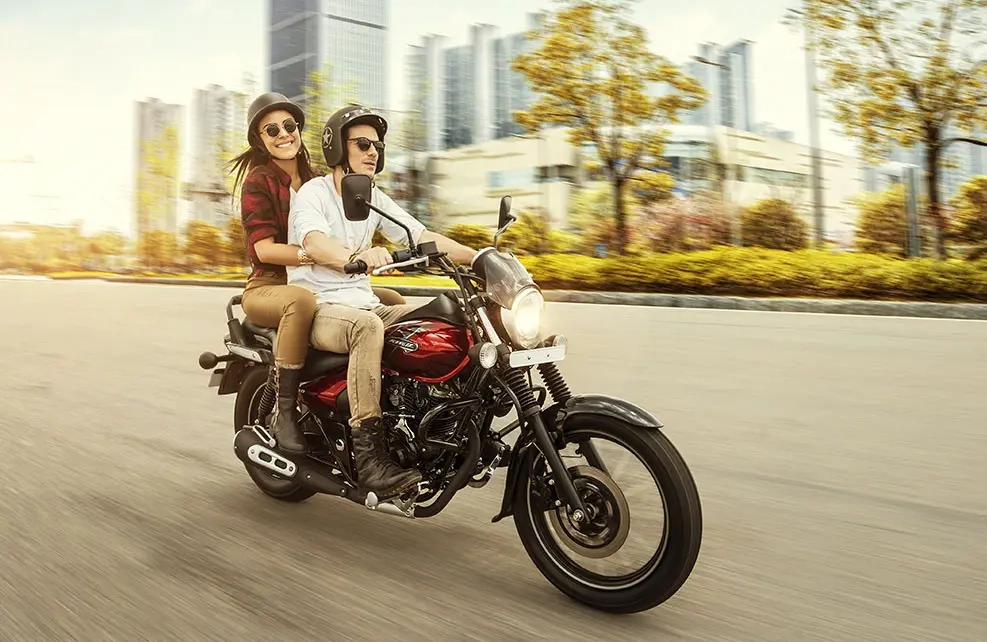
Then there was the Avenger. This affordable cruiser brought a touch of highway freedom to everyday riders. Its laid-back riding position and relaxed character proved that you did not need a fortune to feel the wind on a long road.
More recently, the Pulsar N250 has arrived as the modern flagship. It carries the Pulsar legacy forward with updated technology and refined performance. The story continues.
Local Roots Run Deep
What makes Bajaj Auto Nepal different is not just products. It’s the presence. Bajaj motorcycles are assembled at Hulas Auto Craft. This is the largest motorcycle assembly plant in Nepal. Local assembly means a steady supply. It means jobs. It means commitment.
Hansraj Hulaschand & Co. Pvt. Ltd. serves as the authorised distributor. Their dealer network stretches across the country. From Kathmandu to remote hill towns, service support is never far away. This network is why riders trust Bajaj with long-term ownership.
Bajaj also boasts the largest service network in Nepal. Genuine spare parts are easily available. Resale values remain strong. These practical factors matter. They turn first-time buyers into repeat customers.
25 Years and Counting
In 2023, Bajaj celebrated 25 years in Nepal. The silver jubilee of Bajaj Auto Nepal marked decades of trust, innovation, and shared journeys. The Leader’s Meet 2023 brought partners and dealers together to honour this milestone. One achievement stands out. Bajaj opened a showroom in Jomsom. It is the highest-altitude Bajaj showroom in the world.
Final Thoughts
This story, Bajaj Auto Nepal, is not really about motorcycles. It is about people. The father who rides his daughter to school every morning, the delivery rider hustling through Kathmandu traffic, the young dreamer saving up for his first Pulsar, and many more. Bajaj Auto Nepal simply became part of their lives.
Twenty-five years is a long time. Roads have changed. Cities have grown. Riders have evolved. Through it all, Bajaj stayed. It listened. It adapted. It kept building motorcycles that work for real people with real needs.
The road ahead holds more journeys. More milestones. More riders are joining the family. And Bajaj Auto Nepal will be there. Not as a brand selling machines. But as a companion on every ride. That is the real story. That is the Bajaj way.