Standing desks have gained popularity for their potential health benefits and improved work experiences. However, using a standing desk incorrectly can lead to discomfort and potential health issues. In this post, we’ll highlight some common mistakes to avoid when using a standing desk to ensure you make the most out of this ergonomic solution.
- Standing Too Much
One of the most common mistakes is standing for prolonged periods without breaks. Standing all day can lead to fatigue, discomfort, and strain on your legs and lower back. Aim to switch between sitting and standing every 30 to 60 minutes to give your body relief and maintain good blood circulation.
- Incorrect Desk and Monitor Setup
Setting up your standing desk at the wrong height can result in poor posture and discomfort. Ensure that your desk is adjusted so your elbows are at a 90-degree angle when typing. Your monitor should be at eye level to avoid neck strain. An ergonomic setup is crucial for preventing strain on your wrists, neck, and back.
- Neglecting Footwear
Wearing improper footwear can negate the benefits of a standing desk. High heels or shoes without proper arch support can lead to foot pain. Opt for comfortable, cushioned shoes with good arch support to reduce discomfort and fatigue.
- Poor Posture
Even when standing, maintaining good posture is essential. Avoid slouching or leaning on the desk. Keep your shoulders relaxed, and spine neutral, and engage your core muscles. Distribute your weight evenly between both feet to prevent strain.
- Standing Still
Static standing can also cause discomfort. Shift your weight from one leg to the other and make small movements to encourage better blood circulation and reduce muscle fatigue.
- Ignoring Anti-Fatigue Mats
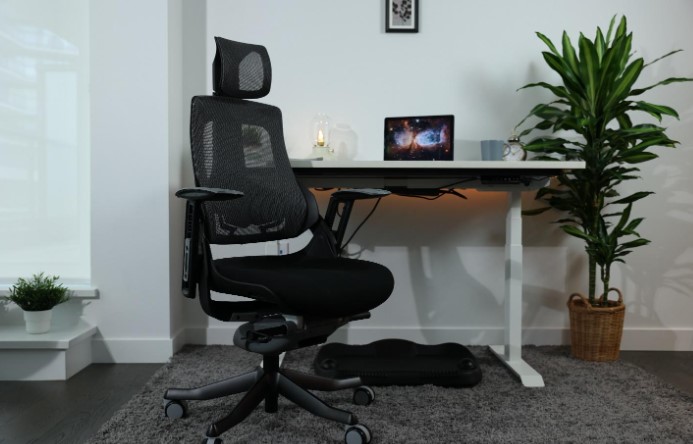
If you’re standing for extended periods, consider using an anti-fatigue mat. These mats provide cushioning and support, reducing the strain on your feet and lower body. Neglecting this accessory can lead to discomfort and fatigue.
- Overloading the Desk
Cluttering your standing desk with unnecessary items can create distractions and hinder your work efficiency. Keep only essential items within reach to maintain a clean and organized workspace.
- Skipping Breaks
Just as with sitting, taking breaks is important when using a standing desk. Use your breaks to stretch, move around, and give your body a rest. Ignoring breaks can lead to fatigue and decreased productivity.
- Not Listening to Your Body
Your body knows best. If you’re feeling discomfort, pain, or fatigue, don’t ignore it. Adjust your standing time, posture, and movements accordingly to prevent any health issues.
- Relying Solely on a Standing Desk
While standing desks offer benefits, they aren’t a complete solution. Incorporate other healthy habits, such as regular exercise, proper nutrition, and ergonomic practices, to ensure your overall well-being.
- Skipping the Transition Period
Transitioning to using a standing desk should be gradual. Jumping into long periods of standing immediately can lead to discomfort and fatigue. Allow your body time to adapt by gradually increasing standing intervals.
By avoiding these common mistakes, you can optimize your experience with a standing desk. Remember that the key is to find a balance between sitting and standing, maintaining proper posture, and listening to your body’s cues. With the right approach, a standing desk can contribute to a healthier and more productive work routine.