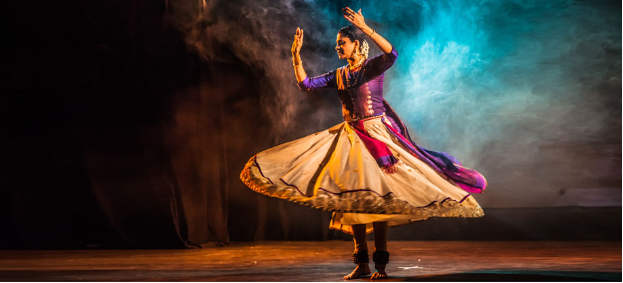
Dance and music have always been an integral part of society. It is not just a way of entertainment. It also gives a sense of calm and peace. In North India, almost all religious ceremonies include dance and music. People show their devotion to god by performing spiritual songs.
Music and dance also develop a sense of belonging and establish a connection to the divine. They have the power to unite people and carry the legacy of Indian culture. North Indian religious music is a combination of intricate melodies and soulful lyrics. The dances frequently reflect tales from Hindu mythology and are performed with elegant motions and precise footwork.
Importance Of Dance In North Indian Religious Ceremonies
Particularly in Hinduism, dance is an essential component of religious ceremonies in North India. Dancing is a potent form of spiritual expression since it is said to draw people closer to the divine. Dance is frequently performed to show gratitude or devotion to the gods in Hinduism. Several Hindu deities are linked to certain dance styles, such as Lord Shiva’s Tandava, a cosmic dance of creation, preservation, and destruction.
In Hindu mythology, other deities like Krishna and Radha are frequently seen dancing together. Almost all the North Indian religious ceremonies include dance, be it festivals, religious processions, or auspicious events, including weddings and birth rituals.
The dance performed at festivals usually depicts the mythological tale and is performed with utmost hand and leg movements precision. The dancer’s facial expressions give you the sense of feeling they are trying to depict.
Completing the religious ceremonies with the help of expert pandits and dancing in religious traditions lets people express their faith and show gratitude to god. It also makes the celebration more entertaining, which maintains the interest of the upcoming generation.
Connect with expert, professionally trained pandits at SmartPuja for a memorable experience.
How Do Dance and Music Bring People Closer To Their Religion?
Spiritual Connection
People may feel a spiritual connection to their religion through music and dance. By inspiring emotions of admiration and devotion towards the god and Goddess through its rhythm and melody, religious music can help people feel more emotionally connected to their religious beliefs.
Community Bonding
Religious events and festivals may involve music and dancing, strengthening the community by bringing people together to enjoy the celebration. Participating in religious music and dancing can help people feel a feeling of community and belonging as they come together to express their religion and merriment and connect.
Cultural Identity
Many religious traditions include music and dancing; engaging in these activities can foster a sense of belonging to one’s culture. People can connect with their lineage and cultural heritage through song and dance while learning about their faith’s principles and history.
Showing Gratitude
Expressing thanks to the almighty can be done through religious music and dance. People can express gratitude for the favours they have received and their faith in the divine’s force by participating in these activities.
Some Of The Famous North Indian Music And Dance Forms
Dance Forms-
Kathak:
Kathak is a dance form in which rhythmic foot movements, hand gestures, facial expressions, and eye work convey stories. This performing art incorporates myths from ancient mythology and significant Indian epics, particularly from the life of Lord Krishna.
Dandiya:
People perform “Dandiya” or “Dandiya Raas” during the Navratri festival. In this, the performers beat the wooden sticks with rhythmic beats. This dance genre is performed in homage to Goddess Durga and depicts a conflict between the Goddess and the demon Mahishasura. Another tradition suggests that the dance form developed from Krishna & Radha’s ‘Raas Leela.’
Garba:
The dance Garba respects, reveres and celebrates the feminine aspect of divinity. Women in a circle around a lit clay lantern traditionally dance. The clay lantern itself is a representation of the body, which holds divinity. To celebrate the truth that every human possesses the divine essence of the Goddess inside them, Garba is danced around this emblem. Instead of the clay lantern, images of Durga are frequently placed in the circle’s centre today.
Music-
Bhajan:
Bhajans are devotional songs sung to worship and praise Hindu gods. Bhajans typically include upbeat melodies and choruses that repeat and are simple to sing. Bhajans are a significant part of north Indian religious ceremonies and frequently appeal to the masses.
Kirtan:
Kirtans are songs to glorify and worship a god. Kirtan is the call-and-response type of mantra singing practice which typically centres on Sita, Rama Radha, and Krishna. Kirtan helps people discover and nurture their affection for the Divine.
Conclusion
Dance and music play a crucial role in north Indian religious ceremonies as it lets them express their gratitude and devotion to the god. It awakens an individual’s spiritual and religious interest, connecting him to the divine. It also makes the ceremony more joyous and entertaining, increasing the interest of every person irrespective of gender, age, and caste. Dance and music also invoke a sense of togetherness in the community while spreading the Indian culture worldwide.
Are you planning to make your religious ceremonies more fun and memorable? If yes, SmartPuja’s expert Vedic professionals will help you.
More than just facilitating pandits for various religious ceremonies, pandits assigned from the portal also make the event engaging by explaining the logic and motive behind every ritual.
Why are you still stuck with those tedious puja ceremonies? Connect with SmartPuja Vedic professional at 080-61160400 to learn more.