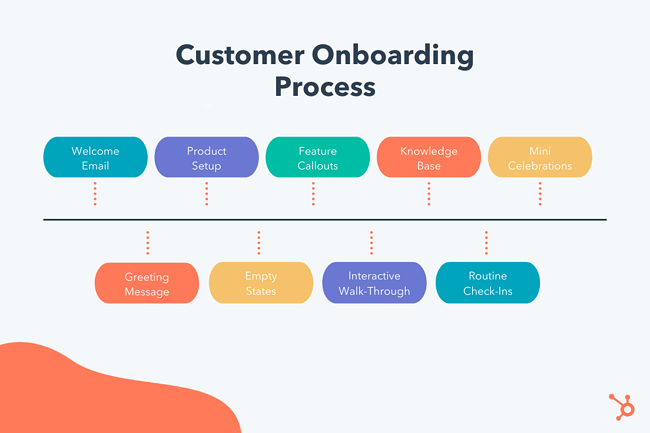
Customer Onboarding refers to how a business guides people from the moment they become customers. It is a way of ensuring customer retention and increasing profits by turning customers into loyalists who promote the brand. Customer onboarding should be initiated at that point where they come across a product. If you can onboard your customers properly, you will lose fewer customers.
What is Customer Onboarding?
This is the process where you help your customers get started with using your product. You actively guide them through different steps and use various resources. Customers should be able to use your products without facing difficulties. Your products are there to solve their difficulties, and you should make your clients feel the same. Client onboarding applies to all business models. It is about building relationships with your customers and offering them the best experience. Engage them with all the information that can help them get the longest lifetime value of your product.
The importance of Customer Onboarding
Customer onboarding is a big factor in how the customer is going to develop a relationship with your brand and product.
- It helps customers use your product repeatedly. They will use it whenever required only when they fully understand the benefit of your product and have the best experience out of it. Through customer boarding, you see that they understand the value of your product and stay engaged.
- You can turn trial users into paid customers. If you offer free trials or give a considerable discount on a product, people will get a chance to use it and understand its value. Make sure to implement customer onboarding for trial users.
Customer Onboarding Strategy
It is important to plan out an impactful customer onboarding strategy before launching the entire process. You should set your goals and think of tactics that will help you achieve them. The following three should be included in your strategy:
- Ensuring that users experience the value of your product at least twice within the first seven days.
- Your product should become a must-have for them. It needs to be integrated into their life.
- Determine a standard of utilization. Users should develop a habit of using your product.
Customer Onboarding Best Practices
These are the best practices that you should follow while onboarding a new client:
Knowing your client’s buyer persona
Collect all the required information from your customer, which will help to understand them better. You can use behavioral analytics tools like WatchThemLive. Prepare a briefing note or a survey form and use it to know what your client is struggling with or about their pain points. Utilize the information in a manner that makes your product address their struggle and helps them.
Setting clear expectations
Clients should have a clear idea about what to expect from it. Let them know why they should use the product and how your product functions. Inform them about the amount of support you can provide.
Reminding the product value to your customers
Most of the customers will have their unique pain points. Reiterate how using your product will be beneficial for them. Think of using an influencer marketplace like Ainfluencer for providing information and creating an impact. Treat custom onboarding as a level where customers need to be educated about your product.
Not losing contact with customers
Keep in touch with your customers. Send notifications about software upgrades, and other informative things like tutorials and user manuals through emails.
Forming goals keeping customers’ needs in mind
Know about what they require and what their goals are. Use that information in creating a product that will fulfill their requirements.
Measuring success
You need to measure your success to see whether the implemented strategies are working for your business or not. Track key metrics, use software like a visitor tracking tool, avail customer feedback, and understand friction points. Use this data in improving your business.
Steps of Customer Onboarding
There are different ways of customer onboarding. These are the key steps that you need to take:
Signing-up
Ensure that customers complete the sign-up process. Do not seek too much information at the very beginning. If you think a considerable amount of information is essential, spread the sign-up over multiple pages. Allow customers to sign-up through a service they already use, like Google.
Welcome Email
Thank the user for becoming your customer in a welcome email. The email should steer them towards using your product. It should ideally have links to the FAQ section, tutorial video, and help center. There must be a call-to-action feature in it too.
First Log-in
The first log-in should take the customers to a tutorial that will lead them through the steps of setting up. A set-up wizard is an excellent way of doing so. Set small milestones which will allow them quick wins.
Importing data, inviting teams, and integration
Customers may need to integrate your product with other tools, import data from one tool to another, or invite others. Keep a contact team ready to provide the necessary support. Try setting up an automated process for the three things.
Interactive Product Walk-through
Create an easily navigable walk-through. Customers should be able to skip any part they want. It should not be necessary to go through it the first time they log in. Ensure they can come back to it afterward. Provide chat support and contact information about support teams.
Follow-up mails
Offer helpful tips and links like sharing about a product update. Share customer testimonials. Encourage them to log back in through these.
Conclusion
Customer onboarding should begin when a prospective client encounters your product. It helps your brand to grow. You have to make customer boarding a smooth and hassle-free process for your clients. A successful onboarding process will make them happily share information about themselves and also use your product as soon as possible.