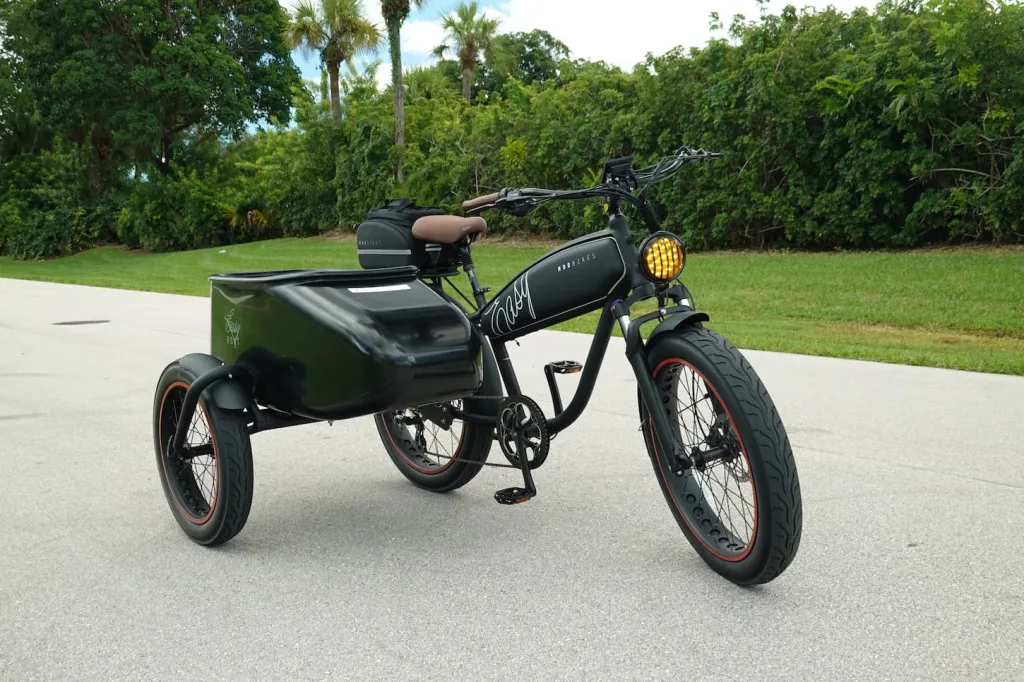
Electric bikes, also known as e-bikes, have been gaining significant popularity as a sustainable and efficient mode of transportation. In recent years, the addition of sidecars to electric bikes has emerged as an innovative way to enhance their functionality and versatility.
A sidecar is a small compartment attached to the side of the bike, providing extra space for passengers, cargo, or even pets. This article delves into the in-depth benefits of using electric bikes with sidecars, shedding light on their environmental advantages, practicality, safety features, and potential for fostering community connections.
- Environmental Advantages
Electric bikes with sidecars offer several compelling environmental benefits. By utilizing electric motors instead of traditional combustion engines, these bikes produce zero tailpipe emissions, contributing to cleaner air and reduced carbon footprint. They are an excellent alternative to cars for short-distance trips, effectively decreasing traffic congestion and noise pollution in urban areas.
Additionally, the use of sidecars promotes carpooling or shared transportation, enabling multiple passengers to travel together. This reduces the number of individual trips and, subsequently, the overall energy consumption and emissions. The combination of electric propulsion and sidecar capacity encourages eco-friendly mobility options that align with sustainable transportation goals.
- Enhanced Practicality
The incorporation of sidecars into electric bike with sidecar significantly enhances their practicality and utility. The added storage space allows users to transport groceries, luggage, or bulky items conveniently. Commuters can easily carry their work essentials, such as laptops or briefcases, without worrying about limited storage capacity.
Moreover, electric bikes with sidecars can accommodate additional passengers, making them an ideal choice for families, friends, or even ridesharing services. They offer a safe and comfortable mode of transportation, allowing individuals with limited mobility or physical disabilities to travel with ease.
In terms of commercial use, these bikes can be employed for various purposes, including food and package delivery services. The sidecar compartment provides ample space for carrying goods, making it an efficient and cost-effective option for small-scale businesses.
- Safety Features
Safety is a paramount concern when it comes to any mode of transportation. Electric bikes with sidecars have several safety features that enhance the overall riding experience. The sidecar attachment offers stability and balance, making the bike more resistant to tipping or swerving. This ensures a safer ride, especially when carrying heavy loads or multiple passengers.
Furthermore, the presence of a sidecar increases the visibility of the electric bike on the road, reducing the risk of accidents. The larger profile and distinctive shape make it easier for other motorists and pedestrians to notice and anticipate the bike’s movements.
It is worth mentioning that most electric bikes with sidecars are equipped with advanced braking systems, such as regenerative braking. This feature not only enhances stopping power but also converts kinetic energy into electricity, which can be used to recharge the bike’s battery. Such energy efficiency contributes to the overall sustainability of the electric bike.
- Fostering Community Connections
One of the lesser-known benefits of electric bikes with sidecars is their potential for fostering community connections. These bikes serve as conversation starters, attracting attention and curiosity from passersby. They encourage positive interactions among people, promoting a sense of community and camaraderie.
Moreover, electric bikes with sidecars can be utilized for community initiatives and events. They can facilitate rides for elderly individuals or people with disabilities, allowing them to participate in social gatherings and recreational activities that they might otherwise miss out on. These bikes also promote inclusivity by providing an accessible mode of transportation for individuals who cannot ride traditional bikes independently.
Conclusion
Electric bikes with sidecars are an innovative and practical transportation solution that combines the benefits of electric
Mobility with increased storage capacity and passenger options. The environmental advantages of zero emissions and reduced traffic congestion make them an eco-friendly alternative to conventional vehicles. Their enhanced practicality and safety features cater to various transportation needs, whether it be carrying cargo, accommodating extra passengers, or promoting shared mobility services.
Furthermore, these bikes have the potential to foster community connections and promote inclusivity, making them an excellent choice for individuals and communities looking for sustainable and versatile transportation options.
In conclusion, electric bikes with sidecars represent a promising step towards a more sustainable and interconnected future. Their many benefits, ranging from environmental friendliness to enhanced practicality and safety, make them a compelling choice for those seeking greener and more efficient transportation solutions.
FAQS
Q: Are electric bikes with sidecars suitable for all terrains?
A: Electric bikes with sidecars are generally designed to handle various terrains, including urban roads, bike paths, and even some off-road conditions. However, it’s important to consider the specific model and its capabilities. Some electric bikes with sidecars may have limitations in terms of off-road performance or steep inclines. It’s advisable to choose a model that suits your intended use and terrain preferences.
Q: Can electric bikes with sidecars be used in rainy or snowy weather?
A: Electric bikes with sidecars can be used in different weather conditions, including rain and light snowfall. However, it’s important to ensure that the sidecar is properly sealed and weatherproofed to protect any cargo or passengers from getting wet or exposed to adverse weather. Additionally, riders should exercise caution and adjust their riding style to account for potentially slippery surfaces.
Q: How far can electric bikes with sidecars travel on a single charge?
A: The range of electric bikes with sidecars can vary depending on factors such as battery capacity, terrain, rider weight, and level of pedal assistance used. On average, most electric bikes with sidecars can travel between 30 and 80 miles (48 to 129 kilometers) on a single charge. It’s advisable to consult the manufacturer’s specifications to determine the specific range of a particular model.
Q: Can the sidecar be removed or detached from the electric bike?
A: In some models, the sidecar can be detached or removed, allowing the electric bike to be used as a regular e-bike when needed. This flexibility is beneficial for riders who may occasionally prefer a lighter and more maneuverable bike without the sidecar attachment. However, it’s important to check the specific model’s design and instructions to determine whether the sidecar is detachable.
Q: Are there any legal requirements or regulations for electric bikes with sidecars?
A: The legal requirements and regulations for electric bikes with sidecars may vary depending on the country, state, or region. In many jurisdictions, electric bikes with sidecars are subject to the same regulations as traditional bicycles or e-bikes. However, it’s crucial to familiarize yourself with local laws and regulations regarding maximum speed limits, age restrictions, helmet requirements, and any specific rules related to electric bikes with sidecars in your area.
Q: Can electric bikes with sidecars be charged using a regular power outlet?
A: Yes, electric bikes with sidecars can typically be charged using a regular power outlet. Most models come with a charging cable that can be plugged into a standard 110-240V outlet. It’s convenient to charge the bike’s battery overnight or during downtime, ensuring that it is ready for use when needed. However, it’s important to follow the manufacturer’s instructions and safety guidelines for charging the electric bike and its battery properly.