(And Why You Need to Be Extra Cautious in 2025)
We live in a world where everything can be done from our smartphones — banking, shopping, chatting, learning, even investing. While this is incredibly convenient, it also opens the door to one of the most dangerous threats today: APK-based scams.
Many people assume that if an app looks legitimate, it probably is. But the reality is far scarier. Cybercriminals are now using APK files — Android Package Kits — as a tool to steal data, hijack phones, and drain bank accounts. And these scams aren’t rare. They’re happening every single day, in countries like Malaysia, India, the Philippines, and even in Western markets.
This article explores real-life examples of APK scams that have occurred in recent years and explains why you should always think twice before downloading an app outside the official app store.
⚠️ What Makes APK Downloads Risky?
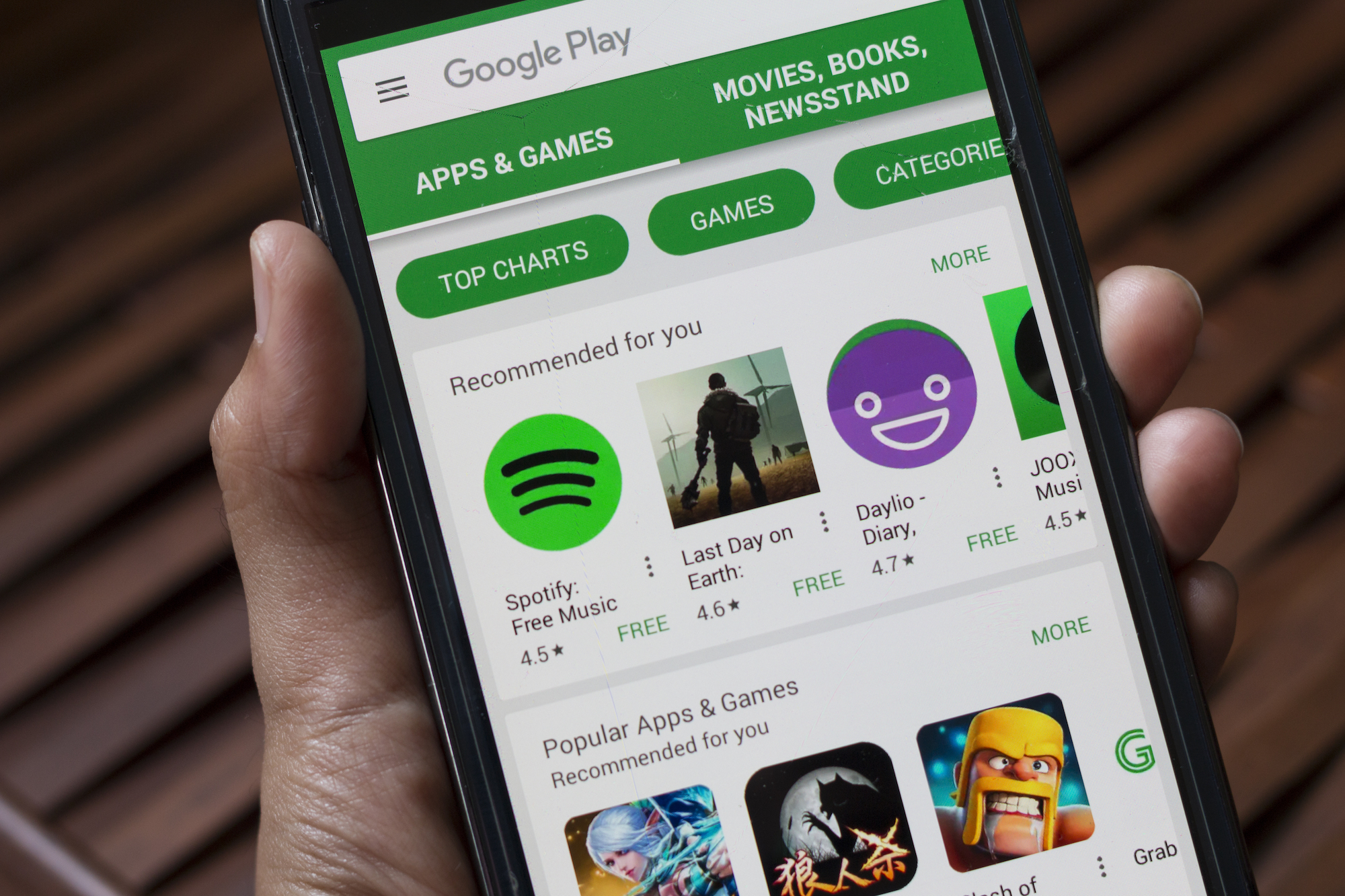
APK files allow users to install apps outside the Google Play Store. While this can be harmless in some cases (e.g. older versions or developer beta builds), it’s also how many scammers distribute malicious apps.
These APKs often look exactly like real apps — same name, same icon, same layout. But once installed, they can:
- Access your messages
- Record your screen or microphone
- Read your contact list
- Monitor your keystrokes
- Steal banking passwords
And sometimes, all of the above.
🎯 Real-Life Scam Case #1: The “Fake Banking App” Scam (Malaysia)
In 2023, a major case hit the headlines in Malaysia. Thousands of victims downloaded a fake APK version of a popular mobile banking app, believing it was the real one.
What happened?
Scammers sent targeted SMS messages (smishing) claiming users needed to update their banking app urgently. The link led to a site mimicking the real bank’s website, where users downloaded a fake APK.
Once installed, the fake app captured login credentials and SMS TAC codes in real time, giving scammers full access to victims’ bank accounts.
Estimated losses: Over RM10 million across several banks.
Key lesson:
Never download financial apps from links in SMS or WhatsApp — only from the official Play Store or App Store.
🛍️ Real-Life Scam Case #2: “Shopping Promo APK” Trap (India)
In 2024, during a mega-sale season, Indian consumers were targeted with links offering exclusive discounts on top shopping platforms like Flipkart and Amazon — but only via a “special app version.”
The link led to a professional-looking site where users were prompted to download an APK offering “50% off for the first 100 users”.
What really happened?
Once the APK was installed, it acted as a keylogger. Everything the user typed — from personal info to credit card details — was recorded and sent to a third-party server.
Most users didn’t notice anything wrong… until unauthorized transactions started appearing on their credit cards.
Key lesson:
Big brands don’t distribute apps outside official stores. If a deal sounds too good to be true, it probably is.
🕵️♂️ Real-Life Scam Case #3: “Spyware in Parenting App” (Philippines)
This one was particularly disturbing. A parenting group on Facebook was promoting an APK for an app that promised to monitor your child’s online safety, claiming it could block inappropriate content, track location, and alert parents of bullying.
What really happened?
Once installed, the app secretly uploaded gallery photos, call logs, and WhatsApp chats to a remote server. Users had no idea their private information was being harvested.
Investigators later found that the app was part of a data-harvesting operation targeting parents and families.
Key lesson:
Even apps claiming to “protect” you can be dangerous if downloaded from unverified sources. Always check legitimacy, reviews, and source.
🎮 Real-Life Scam Case #4: “Modded Game with Hidden Malware” (Global)
In 2025, an APK for a “modded” version of a popular mobile game (with unlimited coins and unlocked levels) started circulating widely in Telegram and Discord gaming groups.
Gamers were excited — who doesn’t want to skip the grind?
What happened next?
The modded APK did provide cheats — but it also installed a background crypto miner that drained phone batteries, overheated devices, and silently used mobile data.
Some users also reported that their Google accounts were accessed from overseas locations.
Key lesson:
“Free mods” come at a cost — your privacy, device health, or worse.
📲 Why This Article Matters to Every Smartphone User
These stories aren’t meant to scare you for no reason. They’re happening around the world, to regular people, not just tech newbies. And many victims never realize the source of the breach.
Here’s why you should take this seriously:
- Scammers are getting smarter. They use official-looking websites, SMS messages, and ads to trick even tech-savvy users.
- Phone = your life. Your phone has your photos, bank logins, e-wallets, email, and even access to your smart home. One bad app can expose it all.
- Prevention is easier than repair. Once data is stolen or money is gone, it’s very hard to recover.
✅ How to Stay Safe from APK Scams
- Stick to Official Stores. Only download apps from Google Play Store, Apple App Store or https://www.dohistory.com.my/.
- Ignore Suspicious Links. Don’t click on links from unknown sources in messages, emails, or ads.
- Check the App Developer. Make sure it’s the official brand (e.g., “WhatsApp Inc” not “WhatsappChat Devs”).
- Use Antivirus Software. Mobile security apps like Bitdefender, Norton, or Kaspersky can detect malicious APKs.
- Review Permissions. If a simple app requests access to camera, SMS, or microphone, something’s wrong.
- Avoid “Modded” or “Cracked” APKs. They often carry hidden malware or spyware.
- Keep Your Phone Updated. Security patches help protect you from known vulnerabilities.
Final Thoughts
APK downloads might seem like a quick solution to get what you want — early access, extra features, free stuff — but the risks are high. In today’s digital world, convenience should never come at the cost of your security.
So next time someone sends you an app link, ask yourself:
“Would I hand over my wallet to a stranger just because they offered me a free gift?”
If not, don’t hand over your phone either.
Stay safe. Stay smart. Think before you tap.