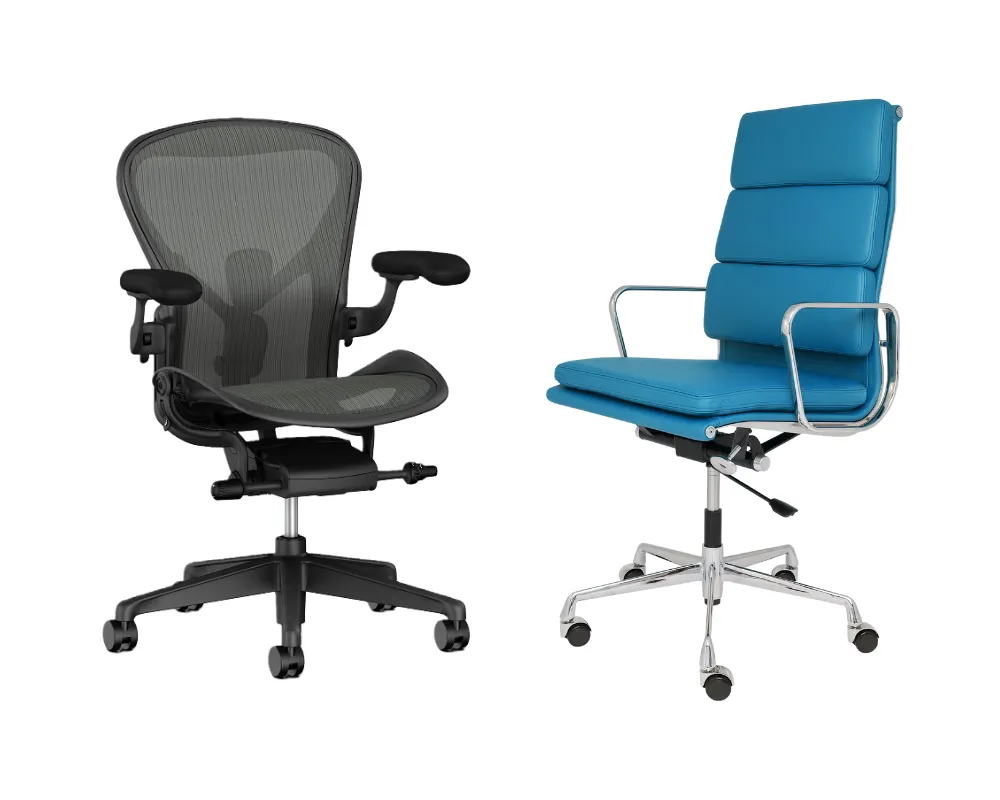
In a world where many of us are spending hours every day sitting in front of a computer, it’s more important than ever to invest in ergonomic office chairs. These specially designed chairs help reduce the risk of musculoskeletal disorders and other conditions associated with poor posture and prolonged sitting.
What is an Ergonomic Office Chair?
The word ‘ergonomics’ comes from two Greek words: ‘ergon’ meaning work, and ‘nomoi’ which stands for natural laws. Ergonomics, therefore, is all about designing a workplace that suits the worker’s natural physical capabilities and limitations. An ergonomic office chair is designed to provide optimal comfort, support and adjustability, all of which help enhance productivity and mitigate health risks associated with long-term sitting.
Key Features of Ergonomic Office Chairs
Ergonomic office chairs have numerous features to enhance comfort and promote healthy posture. Here are some key characteristics to look for:
Adjustable Height
An ergonomic chair should have an adjustable seat height. Generally, office chairs are adjusted so that the user’s feet rest flat on the floor, with thighs parallel to the ground. This reduces strain on the legs and lower back.
Lumbar Support
One of the most critical features of an ergonomic office chair is the provision for lumbar support. Chairs should have a contoured backrest that supports the natural curve of the spine, particularly the lumbar region. Some ergonomic chairs offer adjustable lumbar support to suit individual needs.
Seat Depth and Width
The seat of an ergonomic chair should have enough width and depth to comfortably support any user. Ideally, the seat should have enough depth so that your back can rest against the backrest while leaving about 2-4 inches between the back of your knees and the seat of the chair.
Armrests
Armrests should be adjustable. They should allow the user’s arms to rest comfortably and shoulders to be relaxed. The elbows and lower arms should rest lightly, and the forearm should not be on the armrest while typing.
Swivel
An ergonomic chair should easily rotate or swivel, allowing the user to reach different areas of their desk without straining.
Benefits of Using Ergonomic Office Chairs
Ergonomic office chairs are not just about comfort; they provide numerous health and productivity benefits:
Health Benefits
Poorly designed chairs can contribute to a range of health issues, from back and neck pain to leg and shoulder strain, even circulation problems. Ergonomic office chairs help reduce the risk of these issues by supporting the body’s natural position, reducing strain and pressure on the body’s key points.
Increased Productivity
Comfortable employees are more productive. When you’re not distracted by discomfort, you’re able to focus better on your tasks. Ergonomic office chairs can significantly improve concentration and productivity.
Reduced Absenteeism
Healthy employees mean fewer sick days. Investing in ergonomic office chairs can lead to a decrease in days off due to work-related injuries.
Finding the Right Ergonomic Office Chair
Ergonomic office chairs come in various styles and models, and what works best for one person may not work as well for another. It’s crucial to try different chairs and choose one that fits your body and work style best. Remember to adjust all the features correctly: the seat height, backrest, armrests, and tilt should all be set to support your unique posture and movements.
In conclusion, ergonomic office chairs represent a worthwhile investment for both businesses and individuals. They foster a healthier, more comfortable work environment, which can lead to enhanced productivity, improved well-being, and reduced absenteeism. While it may seem like a significant outlay at first, the long-term benefits of ergonomic chairs make them a smart and sustainable choice for any modern office setup.