Breaking a tooth can be a distressing experience, and many people are left feeling self-conscious about their appearance afterward. Fortunately, there are a range of dental treatments available that can help restore your smile and give you back your confidence. In this article, we will explore some of the most common broken tooth repair options and explain how they work.
Causes of Broken Teeth
There are many reasons why a tooth may break or chip, including: biting down on something hard, trauma to the face or mouth, cavities that weaken the tooth, and old fillings or restorations that have worn down over time. Additionally, teeth can become more fragile and prone to breaking as we age, due to natural wear and tear. It is important to seek dental treatment if you experience a broken or chipped tooth, as leaving it untreated can lead to further damage or infection. It is also important to take preventative measures to avoid tooth breakage or chipping, such as wearing a mouthguard during sports or other high-impact activities, avoiding chewing on ice or hard candies, and maintaining good oral hygiene to prevent cavities. Regular dental check-ups and cleanings can also help detect any early signs of weakening or damage to the teeth. Remember, a healthy and strong set of teeth is vital for overall oral and overall health, so take care of them!
Treatment Options
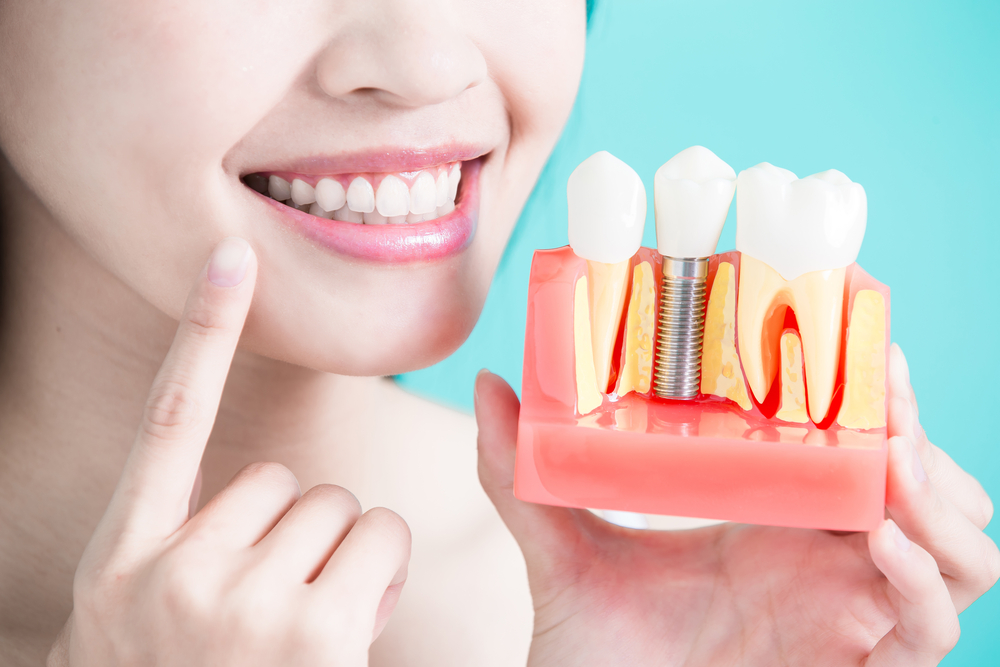
The type of treatment you receive will depend on the severity of the damage to your tooth. Here are some of the most common options: If the damage is minor, such as a small chip or crack, your dentist may simply smooth out the area or fill it with a tooth-colored resin. In more severe cases, a dental crown may be necessary to protect and strengthen the tooth. If the damage has reached the pulp of the tooth, a root canal may be required to remove the infected tissue and save the tooth. In rare cases where the damage is too extensive, the tooth may need to be extracted and replaced with a dental implant or bridge. Ultimately, the best course of treatment will depend on the individual case and should be determined by a qualified dental professional. If you have damaged your tooth, the type of treatment you require will vary depending on the extent of the damage. For minor damage, such as a small chip or crack, your dentist may be able to smooth the area or use a tooth-colored resin to fill it. However, for more severe damage, a dental crown may be necessary to protect and strengthen the tooth. If the damage has reached the pulp of the tooth, a root canal procedure may be required to remove the infected tissue and save the tooth. In some cases, if the damage is too extensive, the tooth may need to be extracted and replaced with a dental implant or bridge. Ultimately, the most effective treatment plan will be determined by a qualified dental professional based on your individual needs.
Preventing Broken Teeth
While accidents can happen, there are some steps you can take to reduce your risk of breaking a tooth: While accidents can happen at any time, there are some preventive measures you can take to minimize the risk of breaking a tooth. Firstly, always wear a mouthguard when participating in any sports or physical activities that may result in facial injuries. Secondly, avoid chewing on hard objects such as ice, popcorn kernels, or pens, as this can cause cracks in your teeth. Additionally, maintain good oral hygiene by brushing and flossing regularly to keep your teeth strong and healthy. Finally, visit your dentist regularly for checkups and cleanings to detect and treat any dental issues before they become severe. By following these simple steps, you can reduce your risk of breaking a tooth and maintain good oral health for a lifetime. Remember, prevention is always better than cure!
Conclusion
Breaking a tooth can be a stressful experience, but it is important to remember that there are many dental treatments available that can help restore your smile. Whether you opt for dental bonding, crowns, veneers, or root canal treatment, your dentist can work with you to find the best solution for your needs. By taking steps to prevent future damage, you can enjoy a healthy, beautiful smile for years to come.