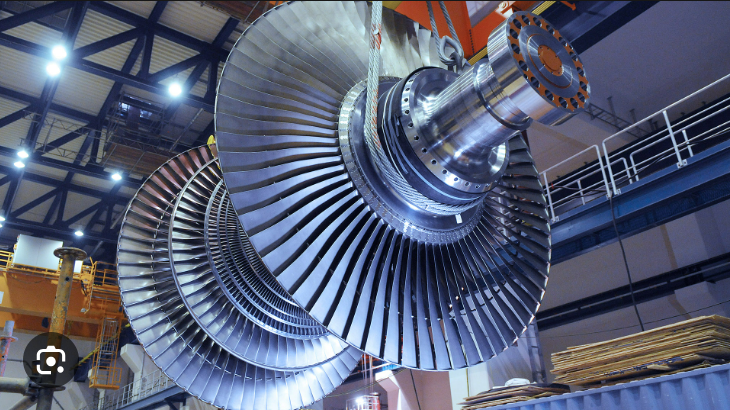
As the world becomes more conscious of its impact on the environment, industries are increasingly looking for ways to reduce their carbon footprint and meet sustainability goals. One of the ways that industries can achieve these goals is by replacing traditional energy sources with renewable ones. One such renewable energy source is steam-powered turbines. In this article, we will explore how steam-powered turbines can help industries meet sustainability goals and reduce their carbon footprint.
What are steam-powered turbines?
A steam-powered turbine is a device that converts thermal energy into mechanical energy. It does this by using high-pressure steam to spin a turbine, which then generates electricity. Steam-powered turbines are commonly used in power plants to generate electricity, but they can also be used in other industries, such as manufacturing and chemical processing.
How do steam-powered turbines help industries meet sustainability goals?
Steam-powered turbines help industries meet sustainability goals by providing an efficient and reliable source of energy. Steam turbines are capable of converting thermal energy into mechanical energy with high efficiency and can be powered by a renewable energy source, such as biomass. This makes steam turbines a clean and renewable source of energy that can help reduce emissions and improve energy efficiency. Additionally, steam turbines can be used to generate electricity, making them ideal for industrial applications.
Benefits of Steam-Powered Turbines for Industries
- Power generation: Steam-powered turbines are commonly used in power plants to generate electricity.
- Oil and gas: Steam turbines are used in oil and gas refineries to drive compressors, pumps, and other pieces of equipment.
- Chemical processing: Steam turbines are used in chemical plants to operate mixers, reactors, and other processing equipment.
- Transportation: Steam turbines are used to power ships and locomotives.
- Manufacturing: Steam turbines are used to drive conveyors, fans, and other pieces of machinery in manufacturing plants.
Examples of industries using steam-powered turbines
Steam-powered turbines are used in a variety of industries to generate electricity and improve energy efficiency. Some examples include:
- Power generation: Steam-powered turbines are commonly used in power plants to generate electricity.
- Oil and gas: Steam turbines are used in oil and gas refineries to drive compressors, pumps, and other pieces of equipment.
- Chemical processing: Steam turbines are used in chemical plants to operate mixers, reactors, and other processing equipment.
- Transportation: Steam turbines are used to power ships and locomotives.
- Manufacturing: Steam turbines are used to drive conveyors, fans, and other pieces of machinery in manufacturing plants.
Conclusion
Steam-powered turbines are a sustainable and environmentally friendly energy source that can help industries meet sustainability goals and reduce their carbon footprint. By using renewable energy sources, reducing carbon emissions, and improving energy efficiency, industries can take significant steps toward achieving a more sustainable future. As the world becomes more conscious of its impact on the environment, steam-powered turbines will play an increasingly important role in helping industries meet their sustainability goals