Ovarian cancer is a serious concern that affects many women, and there is increasing worry about the potential link between certain cosmetic products and the disease. While we often focus on the aesthetic benefits of cosmetics, it’s important to consider their potential risks.
Unfortunately, ovarian cancer is a leading cause of cancer deaths among women, surpassing all other cancers of the female reproductive system.
In fact, the chances of a woman getting ovarian cancer during her lifetime are approximately 1 in 78, and her chance of dying from ovarian cancer is around 1 in 108. These statistics highlight the importance of understanding the potential dangers associated with cosmetic products and taking steps to protect ourselves.
In this article, we’ll take a closer look at the evidence and explore what you need to know to make informed choices about the cosmetics you use.
What Are Cosmetic Products?
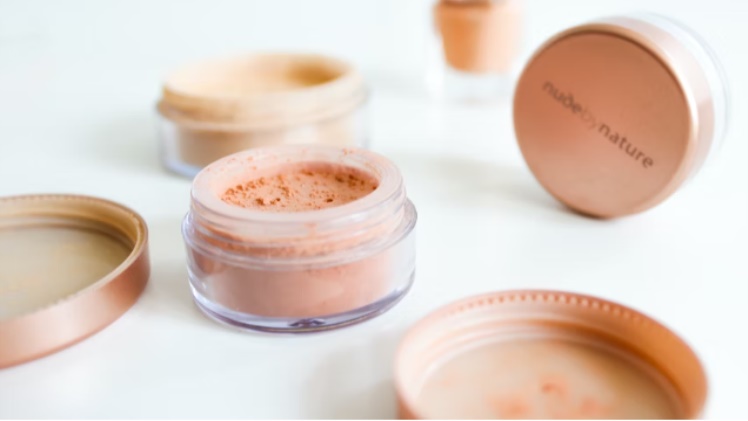
Before we delve into the risks, let’s define what we mean by “cosmetic products.” Essentially, these are substances or preparations that are used to enhance or modify the appearance of the body or face. Common examples include makeup, skin creams, hair products, perfumes, and deodorants. In the US, cosmetics are regulated by the Food and Drug Administration (FDA) under the Federal Food, Drug, and Cosmetic Act.
The Potential Dangers of Cosmetic Products
So, what’s the problem with cosmetics and ovarian cancer? As it turns out, there’s a growing body of evidence that suggests certain ingredients in cosmetics may be linked to an increased risk of ovarian cancer. One of the most notorious of these ingredients is talc, a mineral that’s commonly used in powders, body sprays, and other products to absorb moisture and improve texture.
The Controversy Over Talc-Based Cosmetics
Perhaps the most high-profile example of talc-related controversy involves Johnson & Johnson, the company that makes the popular baby powder and other talc-based products. In recent years, thousands of women have filed a talcum powder lawsuit against Johnson & Johnson, alleging that their use of talc-based products led to their ovarian cancer diagnoses.
The lawsuits have resulted in multi-million dollar verdicts for some plaintiffs and settlements for others. TorHoerman Law, LLC predicts that the lawsuits could ultimately settle for anywhere between $100,000 and $1 million per case.
Despite Johnson & Johnson’s insistence that its talcum powder products are safe, the ongoing controversy has led many to question the adequacy of regulatory oversight surrounding talc.
Additionally, research has suggested a link between the use of talcum powder for personal hygiene and an increased risk of ovarian cancer. In fact, a study conducted by the National Institutes of Health found that women who use talcum powder in this way have a 33% higher risk of developing ovarian cancer.
Other Cosmetic Products and Ovarian Cancer Risk
Asbestos is another mineral that has been associated with ovarian cancer risk. It is commonly found in cosmetics and other consumer products. This mineral is classified as a known human carcinogen by reputable agencies such as the U.S. Department of Health and Human Services, the U.S. Environmental Protection Agency, and the International Agency for Research on Cancer.
The IARC has reported sufficient evidence to suggest that asbestos exposure can cause mesothelioma, lung cancer, laryngeal cancer, and ovarian cancer. In fact, it is believed that most cases of mesothelioma are caused by asbestos exposure.
In addition, some cosmetics may contain hormone-mimicking chemicals, such as parabens and phthalates, that could disrupt the endocrine system and increase the risk of ovarian cancer.
Reducing the Risk of Ovarian Cancer from Cosmetics
So, what can you do to reduce your risk of ovarian cancer from cosmetics? One simple step is to choose products that are talc-free and asbestos-free. Many companies now offer alternatives to talc-based powders, such as cornstarch-based powders, that can provide similar benefits without the potential risk.
You should also pay close attention to ingredient labels and avoid products that contain potentially harmful chemicals like parabens and phthalates. Look for products that are labeled “hypoallergenic” and “non-comedogenic,” which means they have a lower probability of causing allergic responses or blocking skin pores. Finally, advocate for stronger regulation and oversight of the cosmetics industry to ensure that the products you use are safe and free from harmful ingredients.
Conclusion
In conclusion, it’s important to stay informed about the potential dangers associated with cosmetic products and ovarian cancer. While the scientific evidence is still developing, it’s clear that certain ingredients, such as talc and asbestos, may increase the risk of developing this deadly disease.
By reading product labels carefully, conducting your own research, and advocating for stronger regulation of the cosmetics industry, you can help protect yourself and others from harm. Together, we can work towards a safer, more transparent cosmetic industry that prioritizes consumer health and well-being.