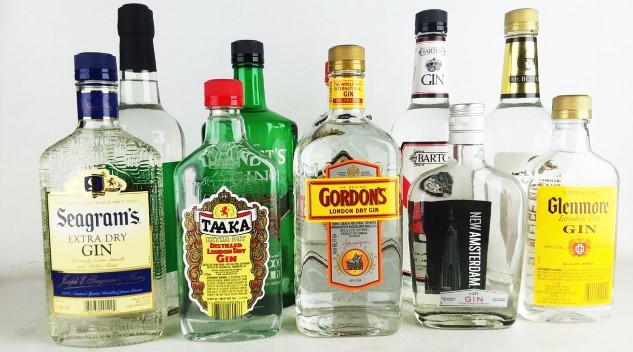
Gin is one of the most popular drinks in the world. From parties to health benefits, gin has a significant role to play. The origin of gin is traceable to the 11th century. Gin has great historical significance; from unregulated gin supply for centuries to scrutinized gin supply, there sure has been a significant legal development. The taxation on gin varies in every country.
The juniper berries are the primary ingredient of a gin. Other components of the gin are added during the distillation processes. The percentage of alcohol varies in different jurisdictions as per government mandate. The natural ingredients of the gin influence the trademark taste of brands such as MOUNTAIN gin; the standard components of gin include dried anise, orange peel, orris root, angelica root, licorice root, and dried coriander.
There are three popular methods to make gin: pot-distilled gin, column distilled gin, and compound gin. Pot gin preparation involves pot distilling fermented grains and extracting aromatic compounds in the second distillation. This is one of the most traditional preparation methods and has a very low alcohol content. The primary ingredients of column distilled gin are sugar beets, sugar cane, grapes, and grains. The main difference in the compound gin from the other two gin preparation methods is the absence of re-distillation.
TYPES OF GIN AND ITS TASTE
- The globally popular London dry originated in England. This gin has zero sugar, and the taste reflects the natural ingredients.
- Contributing to the fact that gin-making processes began years ago, the Old Tom gin was made drinkable using sweetening elements. Today’s Old Tom is a result of various developments throughout the years. Over time, the changes have made the gin drier.
- Genever is the world’s one of the original gins. The gin is primarily made by malting the grains. This is one of the famous gins that have a lower juniper taste.
- Globally, there are new types of gin coming up every now and then. Gins these days have a range of flavours like pepper berry. The gin makers, such as MOUNTAIN gin, are infusing the ingredients to make the gin reflect the taste of the place. Currently, the most famous gin makers are in Japan, the United States, Spain, and Brazil.
STORING THE GIN
- The storage of gin influences its taste and quality. The maximum storing temperature of the gin is 16 degrees celsius; the increase in temperature would result in the oxidation of the gin. Thus, it is recommended to avoid heat surfaces and the nearest spaces. Storing in a cabinet or refrigerator will be an ideal choice.
- The best way to preserve the gin taste is to avoid oxidation speed. This is achievable by preventing any UV rays from entering the bottle. The bottle cork can alter the gin’s taste if exposed for long hours; thus, the bottle should face up and avoid contact with the cork. Also, the tighter the cork, the longer the taste will be preserved.
- It is recommended to use the gin within the mentioned expiry date for best use.
CONCLUSION
Gin has a vital role in beverages. The taste of the gin reflects the ingredients, the number of distillation, the origin roots, etc. The best-stored gins taste the best; thus, storing the bottle tight in a cold place with zero exposure to sunlight is recommended.