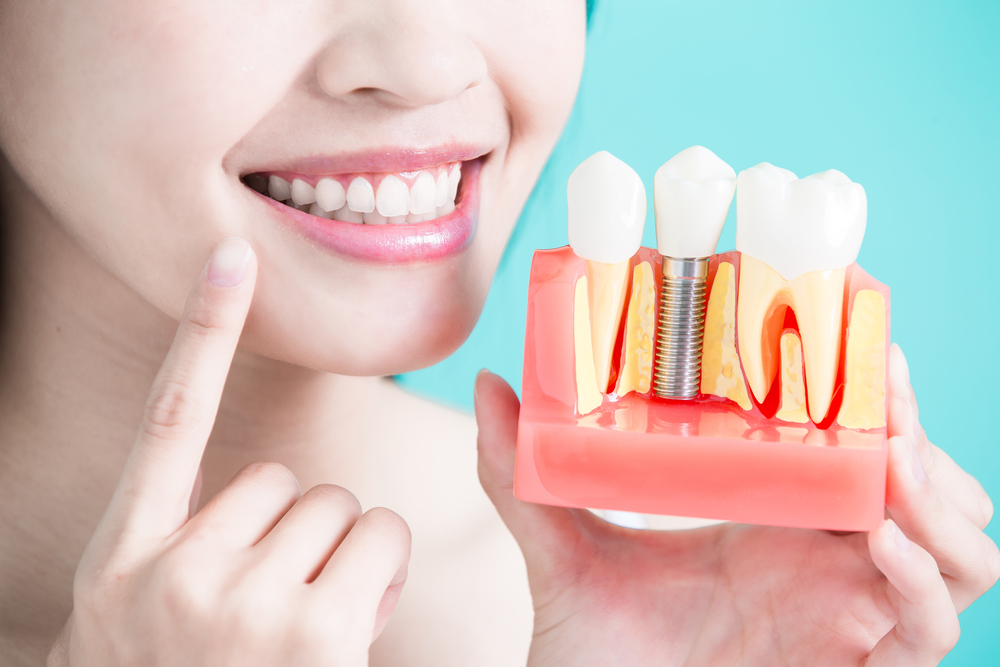
Losing a tooth can significantly impact a person’s oral health, self-confidence, and quality of life. Fortunately, advancements in dental technology have introduced a remarkable solution: dental implants. Dental implants are a permanent and effective treatment option for replacing missing teeth. This article explores the benefits of dental implants, the implant procedure, and why they are considered a superior solution compared to traditional alternatives.
Understanding Dental Implants:
A. Definition and Functionality:
Dental implants are artificial tooth roots that are surgically placed into the jawbone. Made of biocompatible materials such as titanium, implants serve as a strong foundation for replacement teeth or dental prosthetics.
B. Osseointegration:
The success of dental implants lies in the process of osseointegration, where the implant fuses with the surrounding bone over time, creating a stable and durable foundation for the prosthetic tooth.
C. Natural Look and Feel:
Unlike removable dentures or bridges, dental implants provide a natural look and feel, mimicking the appearance and function of natural teeth. They are designed to blend seamlessly with existing teeth, restoring a confident smile.
Advantages of Dental Implants:
A. Improved Oral Health:
- Preservation of Jawbone: Dental implants prevent bone loss by stimulating the jawbone, preventing the deterioration that commonly occurs after tooth loss.
- Protection of Adjacent Teeth: Unlike dental bridges that require adjacent teeth to be modified, dental implants do not impact neighboring teeth, preserving their natural structure and strength.
B. Enhanced Functionality and Comfort:
- Restored Chewing and Speaking Abilities: Dental implants function like natural teeth, enabling individuals to bite, chew, and speak with ease and confidence.
- Increased Comfort: Implants eliminate the discomfort and irritation associated with ill-fitting dentures or removable bridges, providing a secure and comfortable solution.
C. Long-lasting and Permanent Solution:
- Durability: Dental implants are designed to be highly durable and have the potential to last a lifetime with proper care and maintenance.
- Stable and Reliable: Unlike removable dental appliances that may shift or loosen over time, implants offer a stable and reliable solution, allowing individuals to enjoy their favorite foods without worry.
D. Improved Aesthetics and Self-confidence:
- Natural Appearance: Dental implants are meticulously designed to match the color, shape, and size of existing teeth, ensuring a natural and aesthetically pleasing result.
- Restored Self-confidence: With dental implants, individuals regain their self-confidence, as they can smile, speak, and interact with others without feeling self-conscious about their missing teeth.
III. The Dental Implant Procedure:
A. Comprehensive Examination and Treatment Planning:
- Initial Consultation: The dentist assesses the patient’s oral health, takes X-rays, and discusses the implant treatment plan, addressing any concerns or questions.
- Preparatory Procedures: In some cases, additional dental treatments such as bone grafting or sinus lift may be required to ensure sufficient bone density and volume for successful implant placement.
B. Implant Placement:
- Surgical Procedure: The dentist surgically places the implant into the jawbone under local anesthesia. In some cases, temporary restorations may be provided during the healing process.
- Osseointegration: Over a period of a few months, the implant integrates with the bone, creating a strong foundation for the prosthetic tooth.
C. Restoration:
- Abutment Placement: Once osseointegration is complete, an abutment is attached to the implant, connecting the implant to the dental crown.
- Dental Crown Placement: A custom-made dental crown is fabricated to match the color and shape of the surrounding teeth, and it is securely attached to the abutment
to complete the restoration. The dental crown functions as the visible and functional replacement tooth.
IV. Dental Implants vs. Traditional Alternatives:
A. Dental Implants vs. Dentures:
- Stability: Dental implants offer superior stability compared to removable dentures, eliminating the need for messy adhesives or worry about dentures slipping out of place.
- Bone Preservation: Dentures do not stimulate the jawbone, leading to bone loss over time, whereas dental implants preserve bone density and maintain facial structure.
B. Dental Implants vs. Bridges:
- Preservation of Adjacent Teeth: Unlike dental bridges that require the modification of healthy adjacent teeth, dental implants preserve the integrity of neighboring teeth.
- Longevity: Dental implants have a longer lifespan compared to dental bridges, providing a more durable and permanent solution.
Conclusion:
Dental implants have revolutionized the field of restorative dentistry, offering a permanent and effective solution for missing teeth. With their natural appearance, functionality, and long-lasting benefits, implants provide a superior alternative to traditional options like dentures or bridges.
By preserving oral health, enhancing aesthetics, and restoring self-confidence, dental implants empower individuals to enjoy a complete and beautiful smile for years to come. If you are considering tooth replacement, consult with a qualified dentist to explore the possibility of dental implants and embark on your journey towards a confident and healthy smile.