Healthcare facilities must operate smoothly to protect both patients and staff. Still, water damage remains a persistent threat threatening to upset this delicate balance between health and safety. Hartford claims data indicates that healthcare facilities can also experience water-related problems, with leakage from cooling and heating systems, internal pipes, fixtures, appliances, and more being the leading causes. All constructions risk water damage, whether through pipe erosion or improper installation.
Here, we explore some of the common sources of damage in healthcare facilities and reveal its possible consequences. More importantly, we provide healthcare providers with crucial insights into preventative measures that can protect them from costly and disruptive water damage issues, ensuring continuity of patient care and protecting vital medical assets.
Is Water Damage Common in the Healthcare Industry?
Water damage is a pervasive challenge in healthcare facilities such as hospitals and clinics, creating enormous burdens. The Hartford claims data indicates that healthcare facilities’ main source of water damage stems from various causes, such as accidental discharge of cooling and heating systems, internal plumbing fixtures and appliances, pipe freezes, sprinkler leakage, or sewer drain backups.
Water damage is an ever-present risk in old and new constructions, with older facilities at particular risk from pipe erosion and inadequate maintenance practices. New builds may face similar problems due to poorly installed plumbing installations.
Water damage has become increasingly prevalent, which highlights the significance of adopting preventive measures and having a Water Damage Prevention Program (WDPP) in place in healthcare facilities to preserve their structural integrity as well as promote patient and staff well-being.
The Hartford claims data indicates that the primary source of water damage in the healthcare industry is related to the accidental discharge of:
- Systems for cooling and heating
- Internal pipes
- Fixtures
- Appliances
- Pipe freezes
- Sprinkler leakage
- Sewer drain backup
Both old and new constructions can be subject to the risk of water damage. Losses from building maintenance can stem from pipe erosion caused by older pipes as well as leakage of sprinklers or frozen pipes as a result of inadequate heating.
In new construction, the majority of water loss is due to poor plumbing installations. It is, therefore, crucial to choose a reputable contractor with a track record of delivering high-quality construction.
We’re aware of how prevalent and serious water damage claims are. We’ve compiled three suggestions that businesses can implement to safeguard themselves from water damage and intrusion.
Create a Water Damage Prevention Plan (WDPP)
Written water damage prevention program (WDPP) plays an important part in helping businesses such as healthcare facilities avoid or limit the impact of the amount of losses.
If your healthcare provider still needs a WDPP, It’s still not too early to make one. If you do have a plan in place, it’s best to review and update it regularly.
Determine High-Risk Areas for Water Intrusion
While water may enter buildings in various ways, there are three main areas your healthcare facility must be aware of. This includes:
The building envelope comprises the walls, roof, and floors.
A wide range of construction equipment is available, including plumbing for hot water heaters, HVAC and water treatment systems, sprinkler protection, and equipment for construction and building.
External exposures include surface water from poor landscaping, such as gutters, downspouts, or downspouts—other weather-related hazards.
Electronically Monitor High-Risk Exposures
Managers and owners of buildings can use technology to minimize the high-cost claims for water damage. For instance, IoT devices like water sensors can be utilized in health establishments to assist in monitoring for leaks.
Water Damage Restoration Services: 5 Benefits
1. Quick Restoration
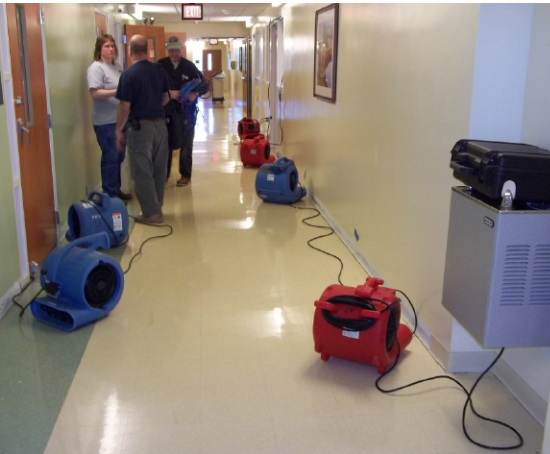
The effects of water damage can cause uncomfortable conditions at your business or home – it’s important to get an immediate response for restoration. Professional water damage repair services are quick to respond and take care of the water cleanup, dry and disinfect areas, and complete any repairs needed in an hour. In addition, the business has a competent staff and the appropriate equipment to do the task within hours.
2. Safe Mold Remediation
The growth of mold is among the main issues that arise when you have water damage in your business or home. The mold can appear everywhere, from the ceilings to under the wooden siding. Many types of mold can be toxic or cause irritation to the skin, which is why it could be dangerous to attempt to remove them yourself. If you hire a professional restoration of water damage You can rest assured that your mold will be eradicated, and your house is protected from the growth of mold.
3. Reduced Losses and Costs
Damage from water can be costly, and, in some cases, it only takes a couple of hours to cause massive damage. The time you wait to call the professionals could be the difference between applying sandpaper and paint over the water stain on your drywall or needing to rebuild a whole portion of damaged drywall. It is imperative to call the restoration experts immediately. This will reduce the repair and damage cost because the water will be removed, and the area will dry out quickly.
4. Professional Advice
If you have suffered flooding in your home, It can be difficult to know if the carpet or drywall, appliances, or furniture has been damaged or can be used again. Water damage restoration experts will assess your home and offer you expert guidance on the severity of the water damage.
5. Help With Insurance Claims
Many restoration and water damage services located in New Haven have years of expertise in handling insurance policies and forms. They can assist you in documenting your damages and get an equitable share of the compensation from the insurance provider. If there’s an issue, the expert can help you provide evidence of the damages.
Final Words
Water damage poses an ever-present threat to healthcare facilities, threatening both their structural integrity and patient and staff safety. Implementing preventive measures through a Water Damage Prevention Program (WDPP) cannot be overstated, from identifying high-risk areas for water intrusion to adopting advanced technology like IoT water sensors, healthcare providers have an array of tools at their disposal to minimize these risks and remain vigilant and proactive while serving those they serve to ensure an environment conducive to healing is created despite water-related challenges.