Electrical circuits are made up of various links in one unit. The electricity is usually delivered from the power plant until it reaches a single home. Before it gets distributed to the house, it goes through a circuit protection unit. Electricity needs to follow a current until it completes the circuit.
Essentially, circuit protection is the safety net when an electrical fault occurs. Per circuit, there is a limit to how much the circuit can carry voltage or amperage. When it is too much, the wire overheats and then melts, causing it to create a fire. You can use many types of circuit protection to prevent it from happening. Overall, this is why you have to invest in circuit protection. A bonding jumper is a conductor that acts as the link between the equipment grounding conductor and the grounded service conductor.
Overview of circuit protection
Circuit protection includes the weak link in a circuit in case there is a fault in the electrical flow. It can occur in three ways:
- Short circuit – The most familiar problem everyone encounters. The charge gets conflicted when a wire is connected to a live conductor.
- Earth faults – One of the more dangerous approaches to electrical faults. You use a copper wire with your bare hands into an outlet. As a result, you receive an electric shock.
- Overload occurs when you have too many wires plugged into a single outlet.
Circuit protection at home
Accidents due to electrical faults are one of the primary causes of fires. Circuit protection reduces the possibility of overloading, earth faults, and short circuits. If they are not addressed immediately, it will affect the lives of those at home. It is also why circuit protection is standard practice in houses, buildings, institutions, and factories.
Fortunately, there are various protection devices that you can use. Each can be placed at strategic locations before an electrical fault can happen. Here is one of many types used.
Fuse
Fuses are found on plugs of power cables. When a single device draws more electricity than the other devices, the wire melts and breaks, and you would hear a blowing sound to know that the circuit is unsafe. Notably, they have a low melting point since they contain tin-and-lead alloy. If you need industrial-grade appliances, they have high-grade fuses to cut current ten times faster than circuit breakers. Fuses from various brands have many available that can adapt to varying voltages.
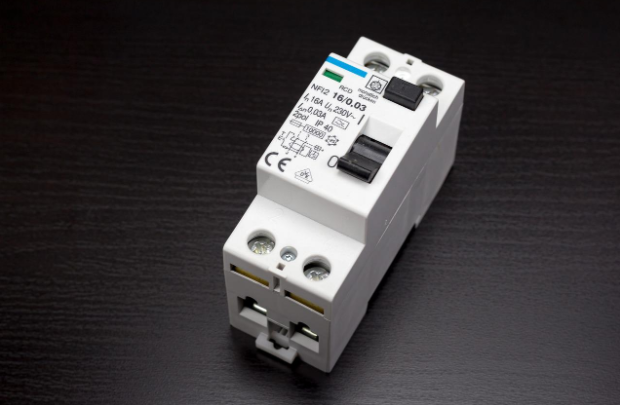
Residual Current Device (RCD)
An RCD tracks potential leaking currents even before it causes an electrical fault. In the case of an earth fault, this is where the RCD can detect abnormalities in the current. However, once it shuts down, it affects the surrounding circuits it protects. So do note that it is different compared to an MCB.
Miniature Circuit Breaker (MCB)
In an MCB, it contains a switch that moves a circuit breaker when tipped. It is also one of the more available products you can get. Circuit breakers from Royu electrical can simply turn on or off the circuit to restore power. You may not need to wait until the fuse breaks down. Its advantage is it can fit in a distribution box to handle various circuits.
Circuit protection gives more safety to the electricity coming into the house. When a problem occurs, it lessens the possibility of electrical fires and can save costs. Ensure that the circuit protection you buy can withstand the varying temperatures and conditions until a fault occurs. Once it does the job, your house will be safe.
Author’s Bio:
Rosette has a knack for anything DIY. She spent her younger years learning about the different hardware tools, lighting, and equipment in the hopes of establishing a hardware business in the future. Her career options may have changed, but today, she continues to write so passionately about her first love.