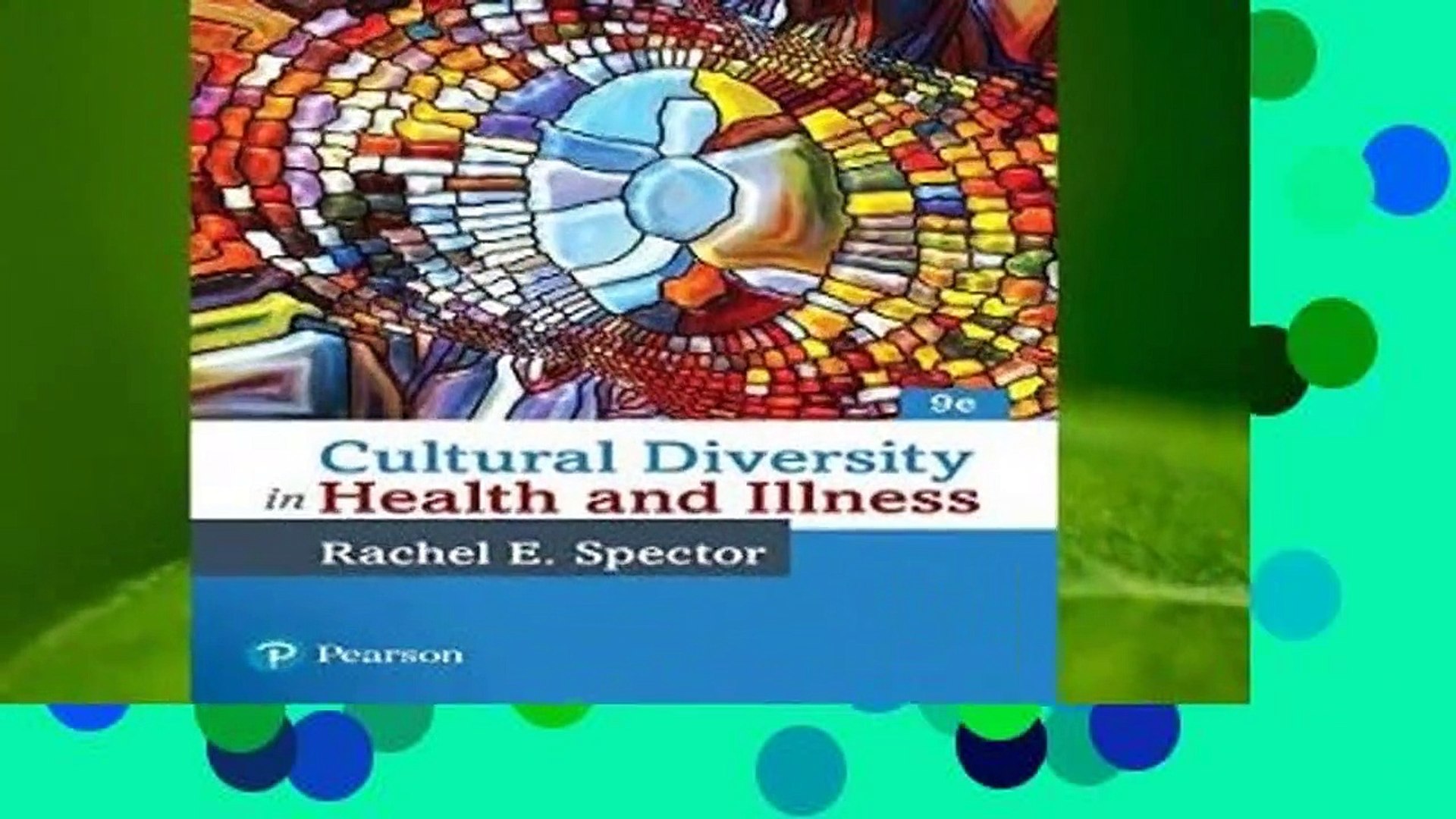
Cultural Diversity in Health and illness PDF
Health and illness are universal concepts, but they are not experienced or understood in the same way by all individuals or communities. Cultural diversity plays a significant role in shaping how health and illness are perceived, treated, and managed. The World Health Organization (WHO) defines culture as “the set of distinctive spiritual, material, intellectual, and emotional features of society or a social group, and it encompasses, in addition to art and literature, lifestyles, ways of living together, value systems, traditions and beliefs” (WHO, 2021). Thus, culture encompasses a wide range of factors that influence health and illness, including beliefs, values, customs, traditions, language, religion, and spirituality.
Cultural competence in healthcare refers to the ability of healthcare providers to understand, respect, and respond to the unique cultural needs and beliefs of their patients. It is an essential component of providing quality care and improving health outcomes, particularly for individuals from diverse cultural backgrounds. Healthcare providers must recognize the diversity of their patient population and be able to effectively communicate and collaborate with patients and their families.
Cultural diversity can influence health and illness in various ways. For example, cultural beliefs and values can affect how individuals perceive and experience symptoms, as well as their attitudes towards seeking medical care. Some cultures may prioritize holistic approaches to health and illness, while others may prioritize biomedical interventions. Additionally, cultural factors can influence the prevalence and incidence of certain health conditions, as well as the effectiveness of different treatments.
For healthcare providers, understanding cultural diversity is crucial for delivering appropriate and effective care. Providers must be able to identify and acknowledge their own biases and assumptions, as well as those of their patients, in order to build trust and rapport. This includes being sensitive to cultural differences in communication styles, such as the use of nonverbal cues or the importance of family involvement in decision-making. Healthcare providers must also be willing to learn from their patients and seek out information on cultural beliefs and practices that may impact care.
One way to address cultural diversity in healthcare is through culturally responsive care. This approach emphasizes the importance of cultural competence and the need for healthcare providers to tailor their care to the specific needs and beliefs of each patient. Culturally responsive care may involve working with interpreters or cultural brokers, adapting treatment plans to align with cultural practices or beliefs, and involving patients and their families in decision-making.
In conclusion, cultural diversity plays a significant role in health and illness. Healthcare providers must be culturally competent and responsive in order to effectively address the unique needs and beliefs of their patients. By recognizing and respecting cultural diversity, healthcare providers can build trust and rapport with patients, promote health equity, and improve health outcomes for all individuals and communities.
References:
World Health Organization. (2021). Culture. Retrieved from https://www.who.int/healthpromotion/about/HPR%20Glossary%201998.pdf