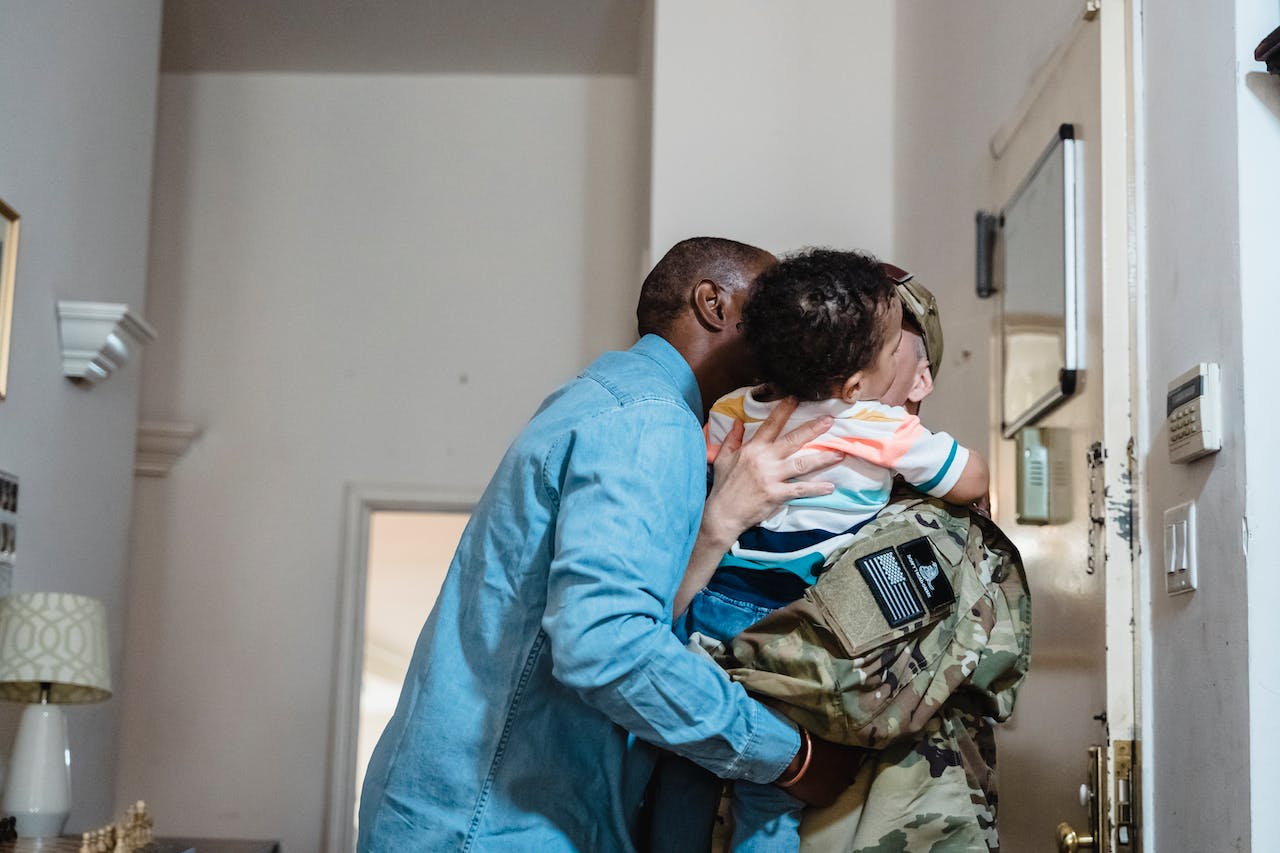
When military families get posted to a new duty station, they undergo extensive life changes. It comes with both excitement and challenges. To ensure a smooth transition, careful planning and organization are essential. We’ll give you a road map for military families moving to a new duty location in this guide. It will enable you to proceed through the process with ease, from getting ready for the move to settling into your new home.
Start Early and Get Organized:
The key to a successful military move is early preparation and organization. As soon as you get the go-ahead, make a list of the things you need to do before the relocation. This should include notifying schools, gathering important documents, and making arrangements for your belongings, including considering auto transporters. Starting early will alleviate the stress associated with last-minute preparations.
Contemplate Employing Expert Auto Transport Services:
When faced with a relocation to a different duty station, the transportation of your vehicle becomes a pivotal concern. Rather than embarking on long drives, you have the alternative of engaging the services of skilled car movers for secure and efficient vehicle transport. This choice not only conserves your time but also spares your vehicle from unnecessary wear and tear. It is imperative, however, to conduct thorough research to identify trustworthy providers of car moving services to guarantee a seamless transportation experience.
Declutter and Pack Strategically:
Planning up for a military move requires decluttering and smart packing. Start early, sorting items into categories to keep, donate/sell, or discard, and consider digital decluttering. When packing, gather necessary supplies and label boxes clearly by both category and contents. Place heavier items at the bottom, use wardrobe boxes for clothing, and prepare an essentials box for immediate needs. Disassembling furniture and careful organization can save time, reduce stress, save space, and prevent damage during the move, ensuring a smoother transition for military families.
Stay Connected to Your Support Network:
Maintaining a robust support network is pivotal during a military move due to the unique challenges it presents. Connecting with other military families who have experienced relocations provides:
- Practical advice and emotional support
- Helping navigate the intricacies of packing
- Housing
- Adjusting to a new duty station
Additionally, fostering relationships with friends and family outside the military offers stability and emotional reinforcement during the transition. These networks also serve as a valuable source of local insights and resources, aiding in a smoother adaptation to the new environment. Whether through online forums, social groups, or in-person gatherings, staying connected strengthens your ability to handle the demands of military life.
Prepare for Arrival:
Upon your arrival at the new duty station, a smooth transition hinges on careful preparation. Ensure your children’s seamless integration by promptly enrolling them in local schools. Familiarize yourself with essential services, including medical facilities and grocery stores, to address immediate needs. Explore your new community by visiting parks, libraries, and recreational venues, fostering connections with neighbors and friends. Compile a list of local services such as banks and post offices, simplifying administrative tasks. Engage with support groups and community organizations catering to military families for valuable insights and camaraderie. Finally, immerse yourself in the local culture and social scene by attending events, festivals, and attractions, facilitating a swift and comfortable adjustment to your new surroundings.
Seek Assistance When Needed:
In navigating the challenges of a military move and adapting to a new duty station, seeking assistance when needed is of paramount importance. The Family Readiness Center stands as a valuable resource, offering guidance on relocation, financial counseling, and a sense of community. Relocation assistance programs provide essential information and resources to smoothen the transition, while counseling services address emotional and mental health needs, ensuring a healthier adjustment for both adults and children. Financial support programs are available to aid with unexpected expenses, and specialized assistance can be accessed for families with specific needs, such as medical or educational requirements. Seeking help from these military support services is a commendable step towards ensuring the well-being of your family during this period of change, reflecting strength rather than weakness.
Conclusion:
Moving to a new duty station as a military family can be a complex process, but with careful planning and organization, it can be a smooth transition. Start early, understand your benefits, consider professional auto transporters, declutter, stay connected to your support network, prepare for arrival, and seek assistance when needed. By following this roadmap, you’ll be better equipped to tackle the challenges and embrace the opportunities that come with military life.